
SEA Connect
Why Southeast Asia is becoming a test market for Chinese luxury brands
New-format jewellery stores in Singapore and Bangkok show how Chinese consumer brands can test premium retail concepts before wider international expansion.

New-format jewellery stores in Singapore and Bangkok show how Chinese consumer brands can test premium retail concepts before wider international expansion.

Headline deal value remained large, but sponsor activity, strategic buying and Southeast Asian market conditions moved at different speeds.

The Singapore-headquartered fintech company says its first external equity round will support merchant payments, account services and agentic commerce products.

The distribution agreement gives resellers and managed-service providers local access to object storage, backup and cyber-resilience products for data-heavy workloads.

Second-quarter revenue reached US$7.8 billion, while Sea raised Shopee investment and kept its full-year profit target as a forward-looking goal.

Revenue reached 352.4 million pesos and the digital solutions segment contributed 57%, while the company described AI work as an operating initiative rather than a completed outcome.
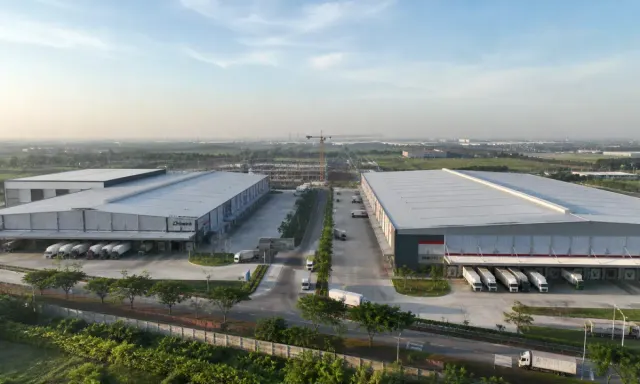
The partners broke ground on one Cikarang facility and announced a second Cibitung hub, with completion planned for 2027 and 2028 respectively.

AppsFlyer’s Ziv Peled argues that autonomous marketing systems need trustworthy data, activity labels and governance before teams let them make more decisions.
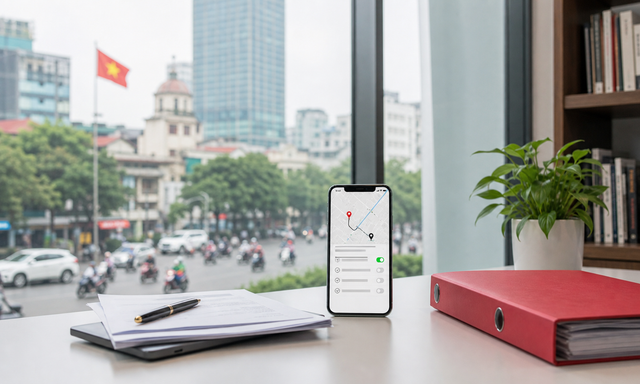
The VND1.36 billion penalty covers six consumer-protection breaches, including consent and disclosure requirements, according to reports citing Vietnamese authorities.

The stock-exchange launch connects a physically backed investment product with Indonesia’s wider bullion-market and capital-market reform agenda.
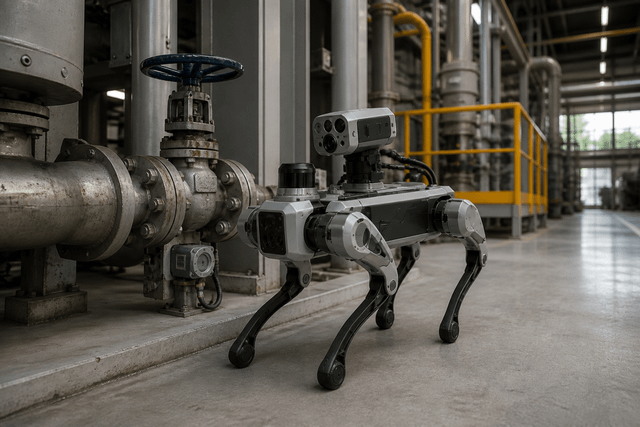
Avnet and Weston Robot say their edge-computing and robotics platform is designed to inspect factories, utilities and transport sites. The plan matters because it moves Singapore-developed physical AI toward commercial industrial use.
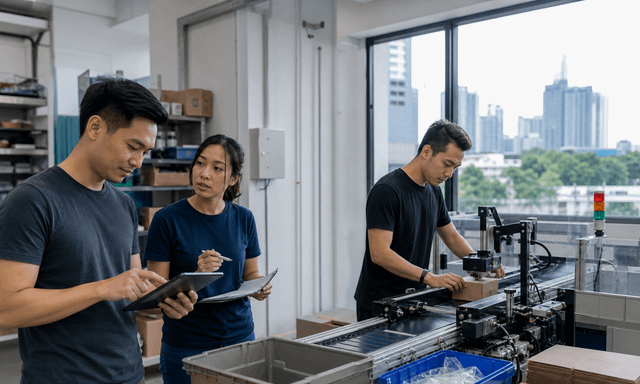
Why this matters: IMDA says AI adoption among Singapore SMEs rose from 4.2% to 14.5% in one year. Its first SME AI Impact Awards close on 14 August, shifting the immediate test from experimentation to measurable business outcomes.