
News
Mynt says GStocks now accounts for 53% of Philippine online retail stock accounts
Mynt says GStocks served 1.7 million users and accounted for 53% of Philippine online retail stock accounts in 2025.

Track launches, partnerships, funding, product moves and policy changes across Southeast Asia, with clear context on what changed and why it matters.
Mynt says GStocks served 1.7 million users and accounted for 53% of Philippine online retail stock accounts in 2025.
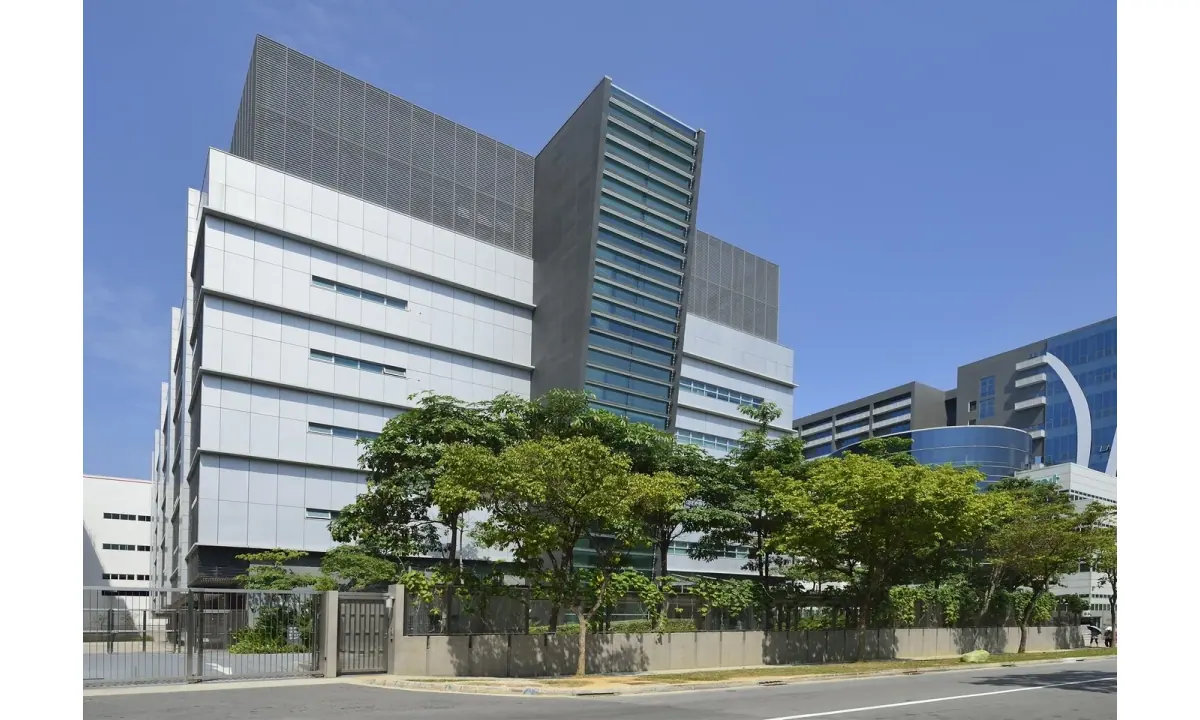
Agoda and NTT DATA have detailed measured energy-efficiency changes in Singapore data-centre operations.
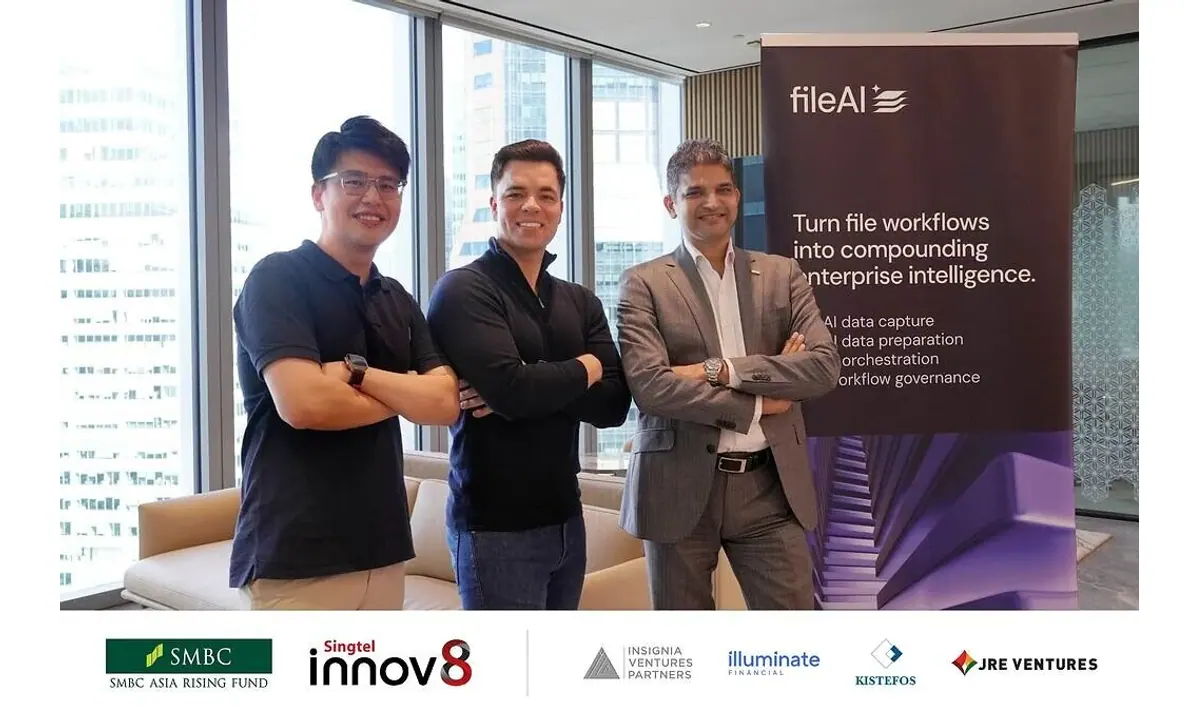
SMBC Asia Rising Fund and Singtel Innov8 have invested in Singapore enterprise-AI company fileAI.

Klook and Mastercard are connecting travel discovery, payments and cardholder benefits across Asia Pacific.

ABEJA has approved a Singapore subsidiary as its ASEAN operating hub, creating a regional base for enterprise-AI partnerships and customer development.

Do Ventures connects Vietnam’s demand for shared digital platforms and service procurement with operating evidence from startups across several sectors.
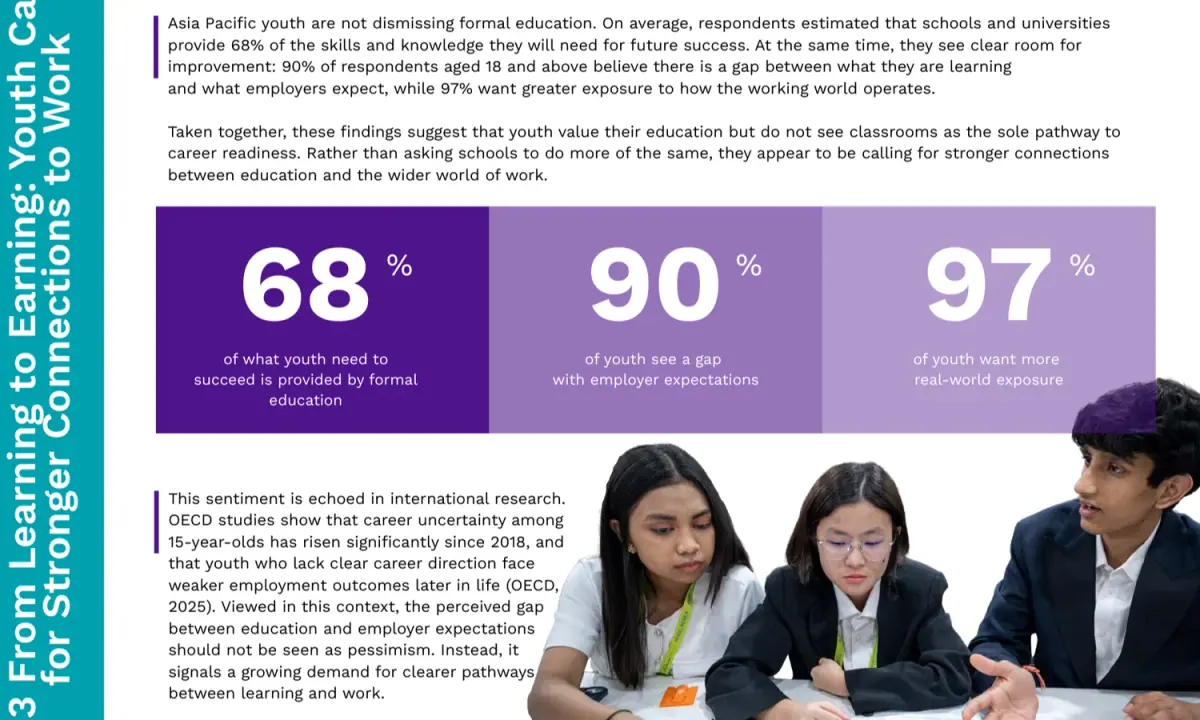
FedEx and JA Asia Pacific report that young people across ten markets want more workplace exposure and practical preparation for AI, trade and entrepreneurship.

AppsFlyer reports that APAC app installs and long-term retention are moving apart, with Southeast Asian finance and gaming data showing why acquisition alone is an incomplete growth measure.
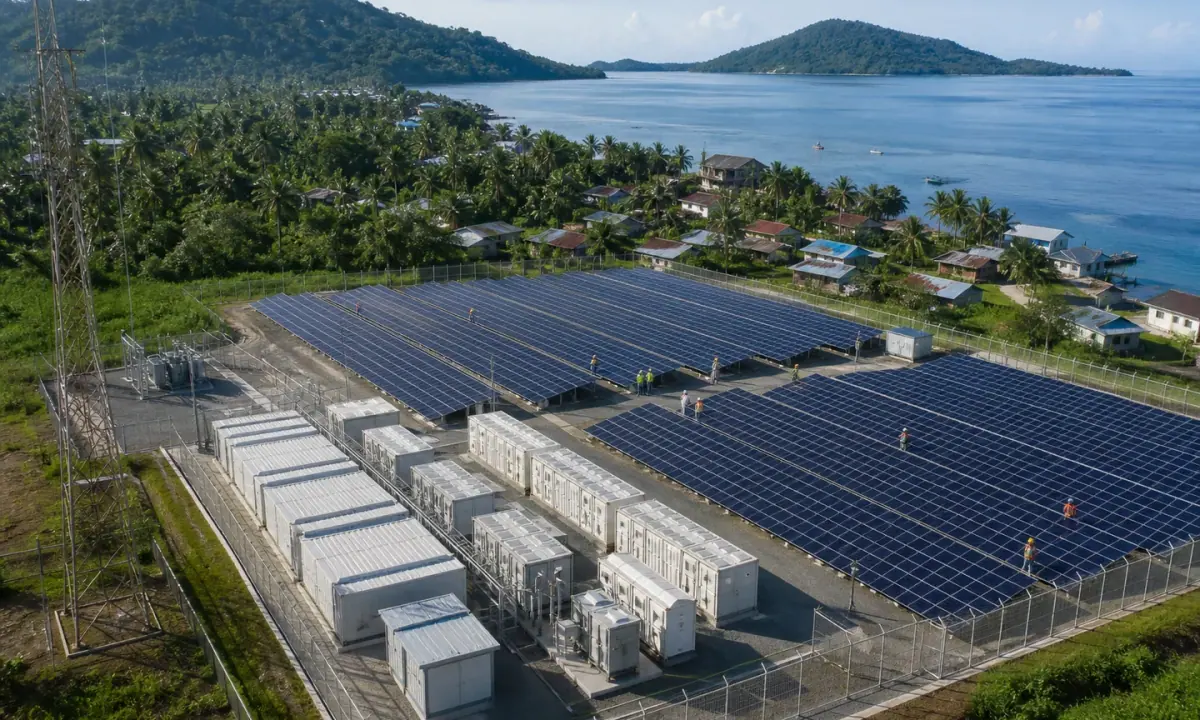
Indonesia has started a 100-GWp solar programme with 14 initial projects representing about 5.3 GWp across six provinces.

SUSS reports 242 impact ventures through a learner entrepreneurship programme, with current AI tools tested alongside community partners.
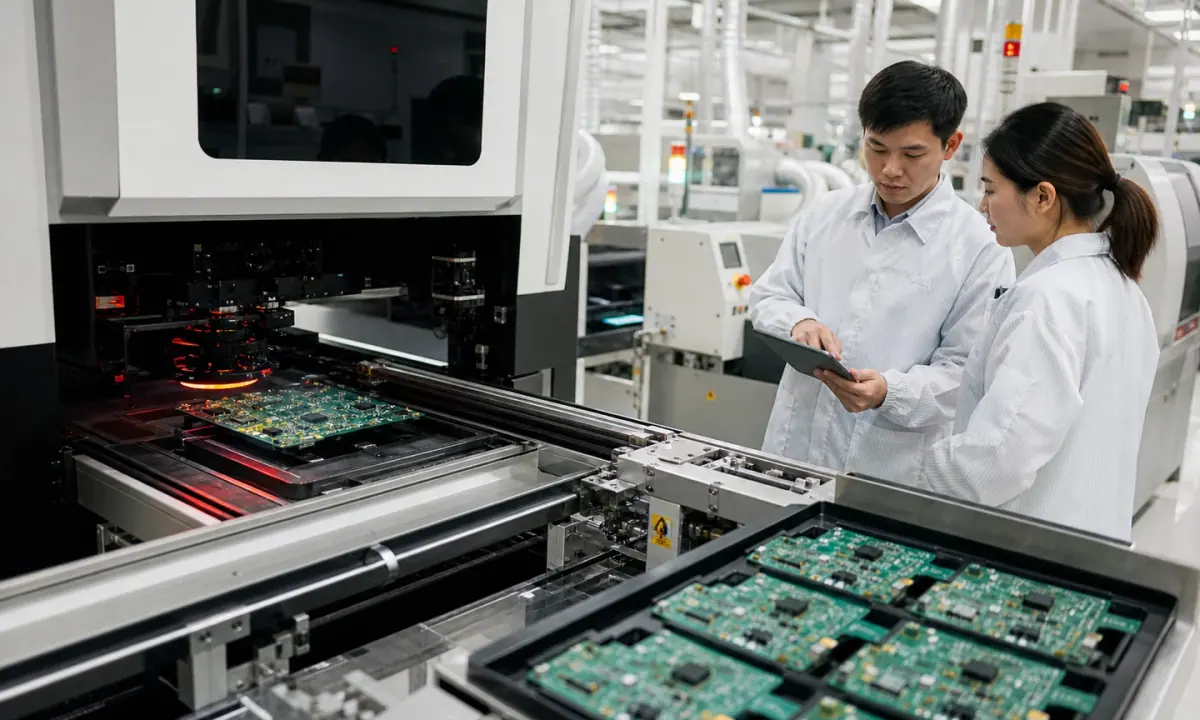
Thailand reports more than US$30.5 billion in electronics investment since 2023 as advanced manufacturing capacity expands.
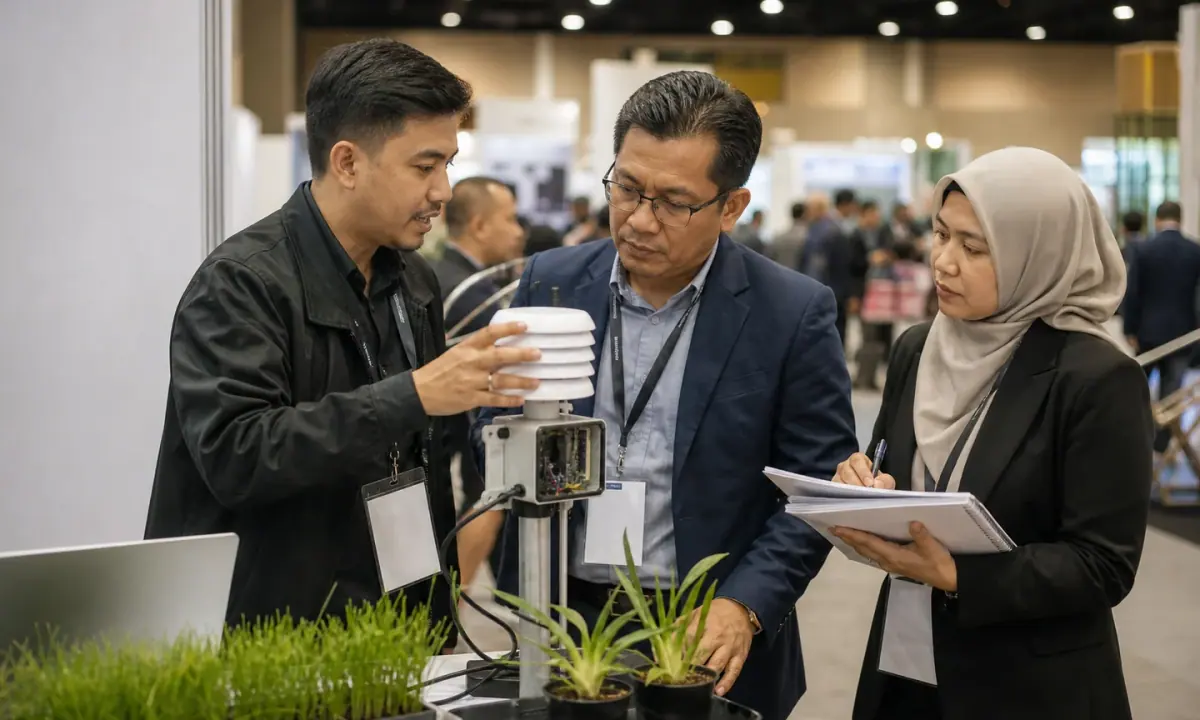
NICE 2026 puts business matching and startup pitching alongside three days of Malaysian technology and commercialisation sessions.
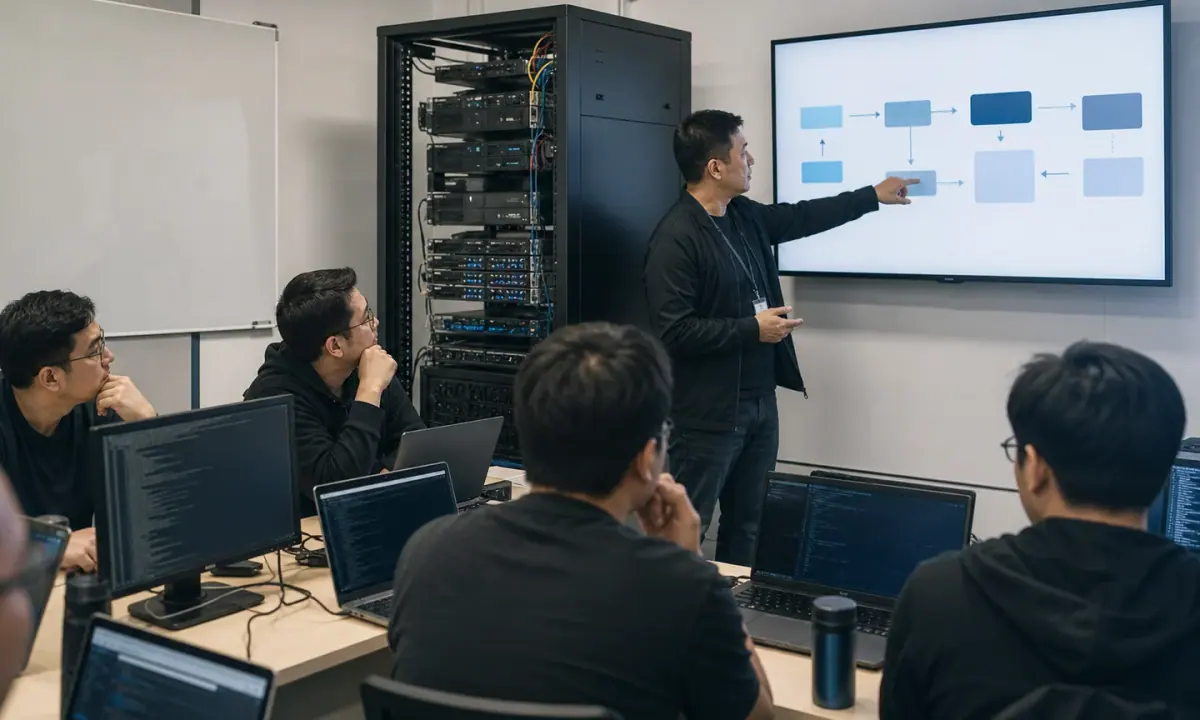
Tech Data has been appointed distributor for Catalogic Software’s CloudCasa platform in Singapore and Malaysia.
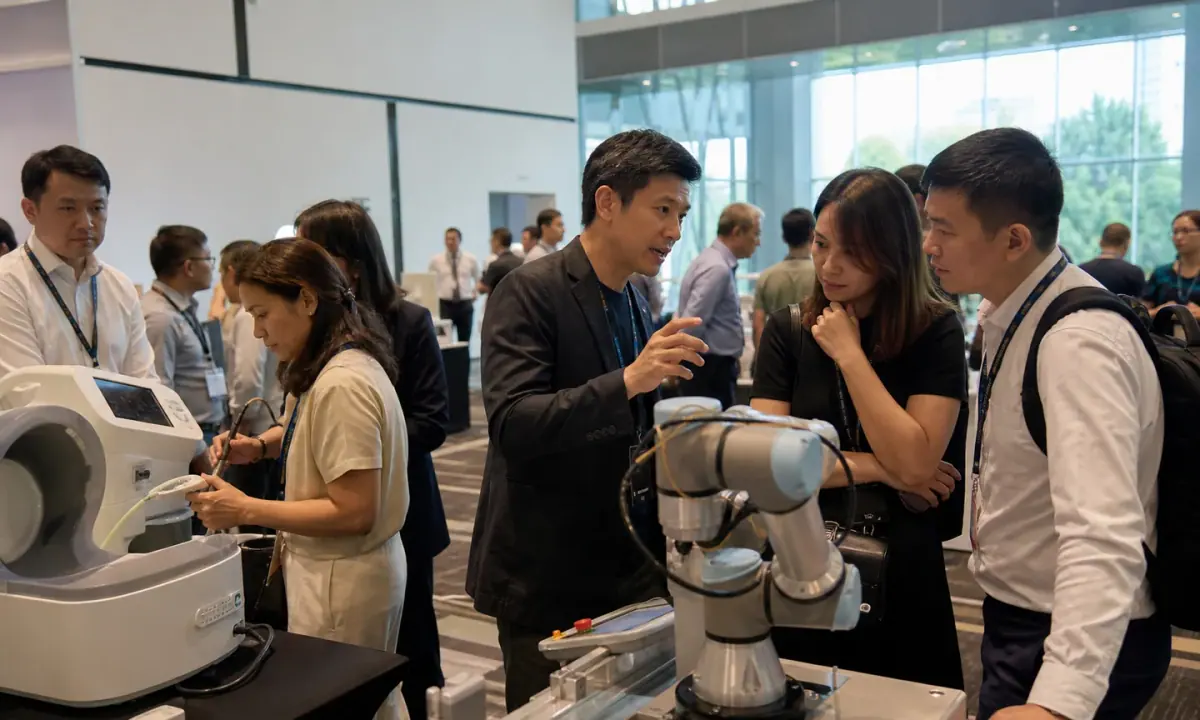
TechInnovation and AIMX Singapore combine sector demonstrations, technology matching and advisory clinics around practical enterprise AI adoption.

ASEAN’s 2026–2030 IP action plan puts stronger emphasis on commercialisation, valuation and cross-border connectivity for innovators.

Malaysia is bringing software-defined vehicles, AI and smart manufacturing into a wider automotive investment and supply-chain agenda.

New cross-border payment and treasury capabilities strengthen Singapore’s infrastructure for Asian businesses expanding into global markets.
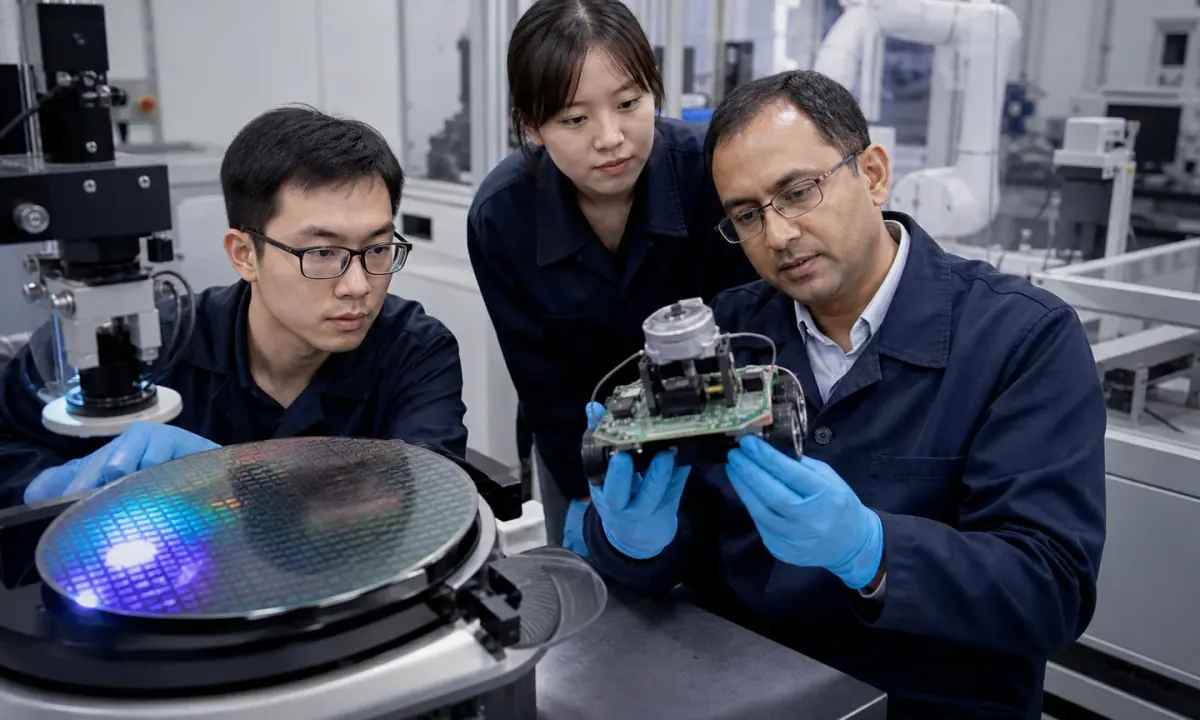
A new Singapore corporate laboratory will connect semiconductor research, low-power edge AI and talent development with industrial applications.

Singapore is scaling public-health AI through common secure infrastructure, clinical workflow tools and a regional outcomes framework.

Vietnam and Singapore have adopted a technology-connectivity strategy spanning digital infrastructure, trusted data flows, research, talent and commercialisation.
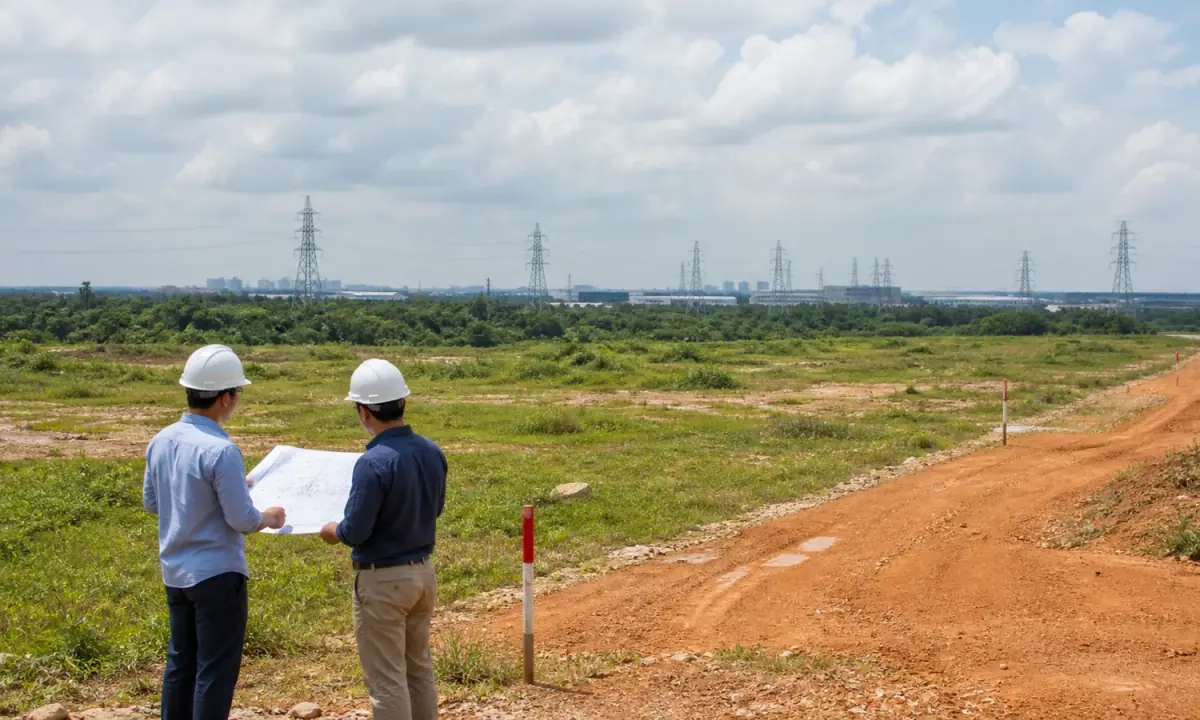
DayOne has agreed a conditional RM617.86 million purchase of 78.8 acres in Selangor for intended data-centre development.
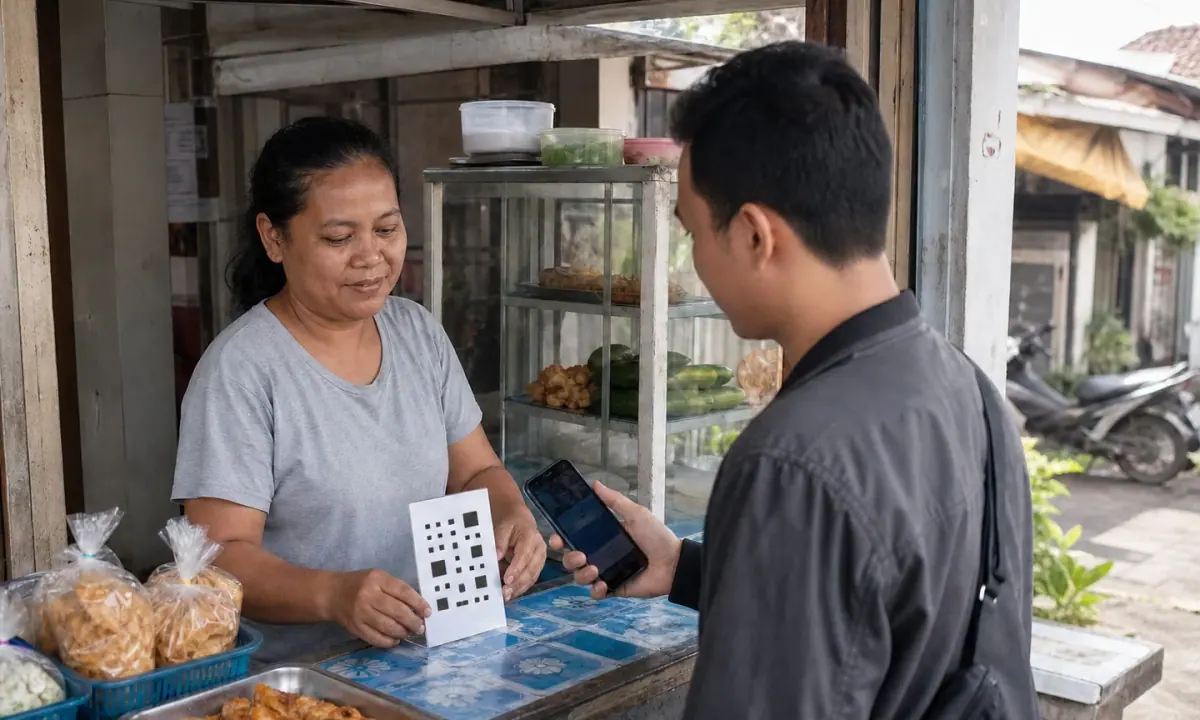
Indonesia’s QRIS network has reached 65.77 million users and 44.86 million merchants, with MSMEs accounting for 96.68% of acceptance.
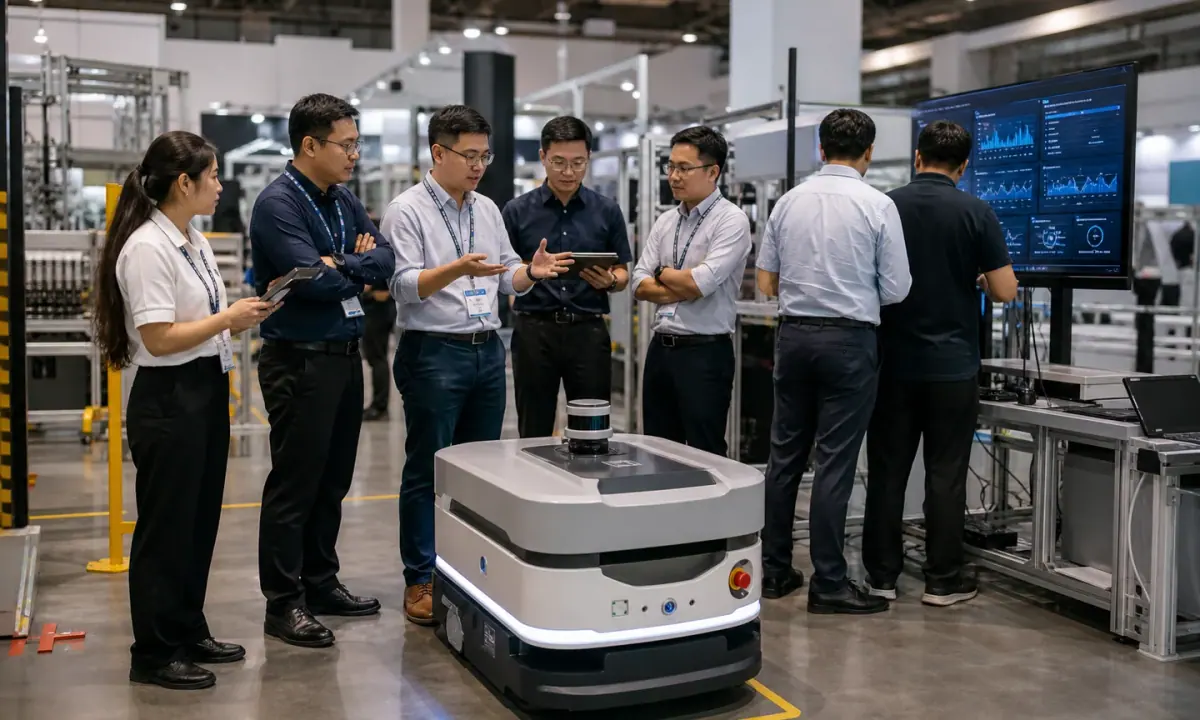
AIMX Singapore is focusing its 2026 programme on the gap between AI pilots and operational deployment across regional industries.
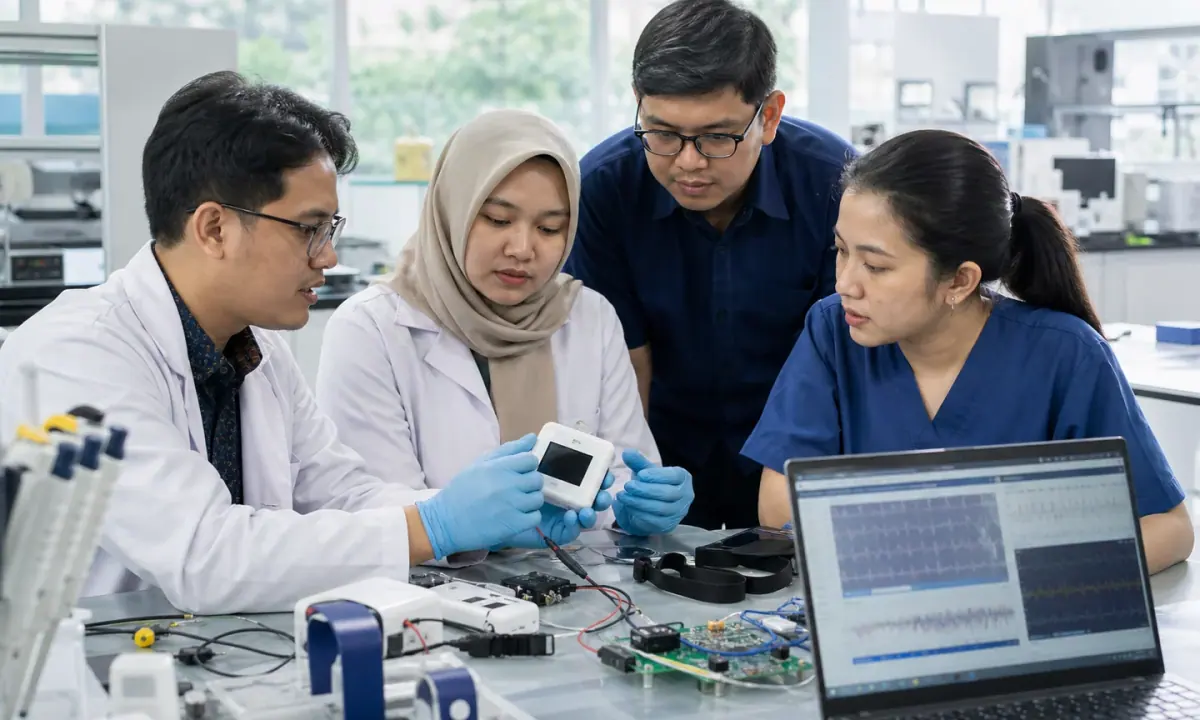
BINUS has outlined a health-technology translation programme built around a laboratory launch scheduled for 28 August and Indonesia’s affordable-care priorities.

Singapore has sharpened its AI adoption signal for smaller firms by focusing on agents that can execute routine business tasks.

Bank Indonesia has outlined a practical digitalisation route for smaller firms spanning productivity, market access and financing readiness.
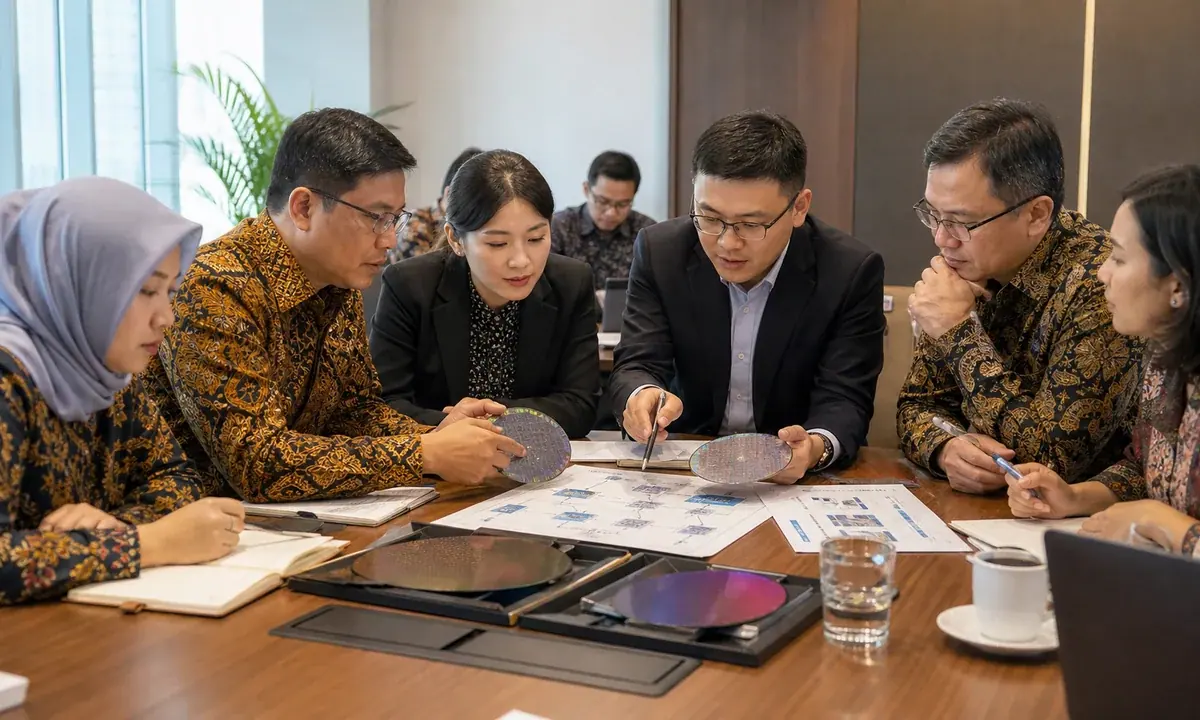
Indonesia and China plan a working-level group covering artificial intelligence, technology transfer and participation by companies from both countries.

Ho Chi Minh City’s VSM 70 pilot will select 70 companies for factory assessments, improvement roadmaps and on-site smart-manufacturing support.
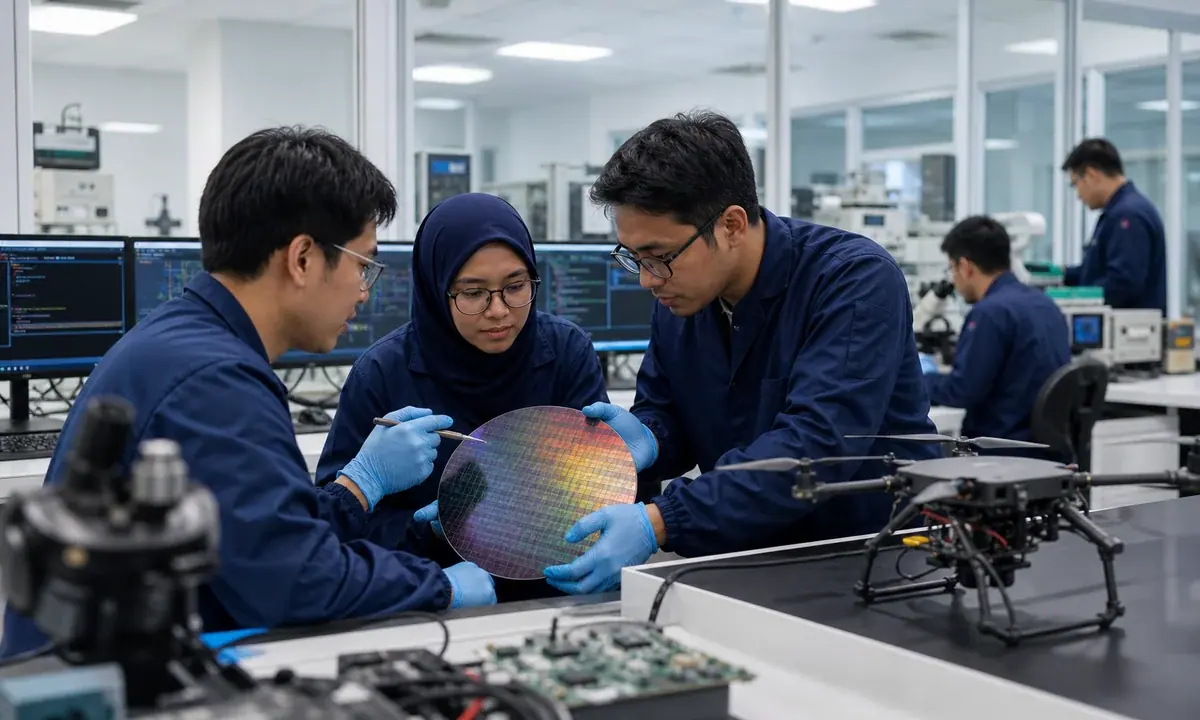
Malaysia has awarded new Arm technology access to Oppstar and Alphaswift for chip design, research and drone-related development.

Chandra Asri Pacific has signed a conditional agreement to acquire Cycle & Carriage’s Singapore and Malaysia automotive businesses.

NICE Information & Telecommunication has acquired more than 93% of Vietnamese beauty-business software company EasySalon.

AiMOGA says its Mornine service robots are supporting reception and vehicle-presenting work in Malaysian automotive showrooms.

CTicket says its verification and payment controls handled three high-demand Hanoi concert sales with more than 150,000 buyers queued at peak.

Liquid Group and PagBrasil have launched the first phase of an Asia-to-Brazil QR payment corridor linking participating RoamQR wallets with Pix merchants.

GCash users can now receive eligible overseas shopping tax refunds in Philippine pesos through the wallet.

Speech-AI company Sanas is expanding in the Philippines and has named two market leaders.
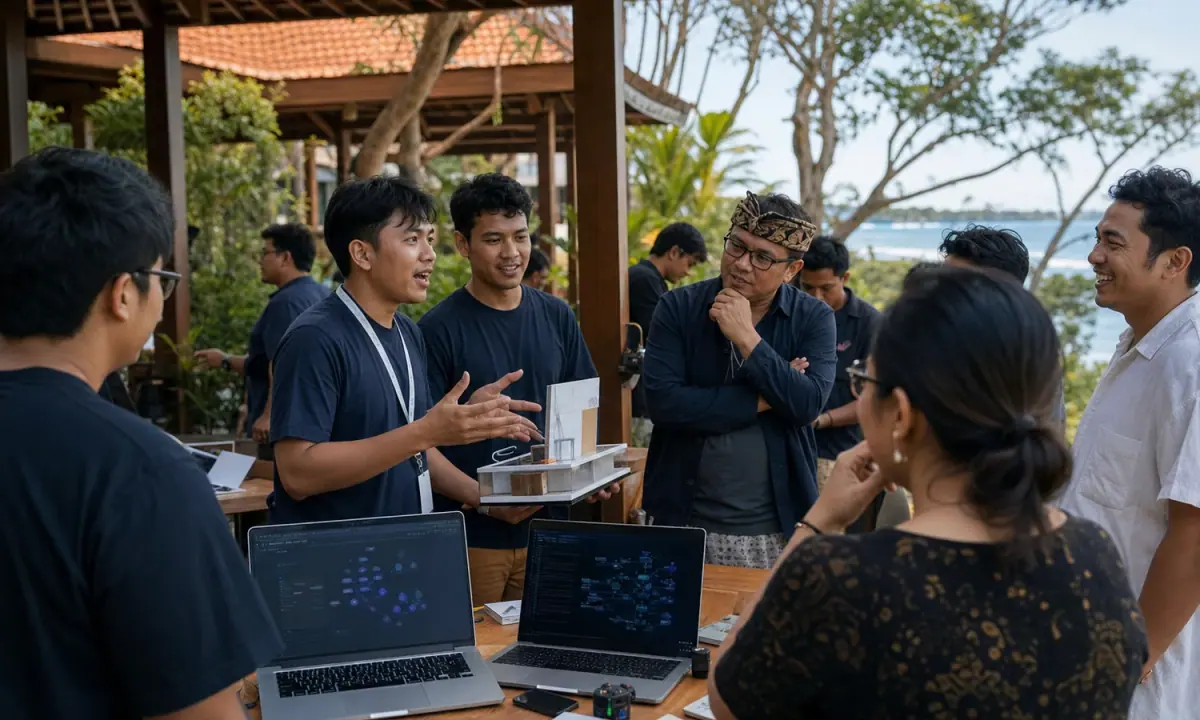
ShardLab and Indonesia’s Ministry of Creative Economy are extending a blockchain-talent partnership through Protocol Camp.
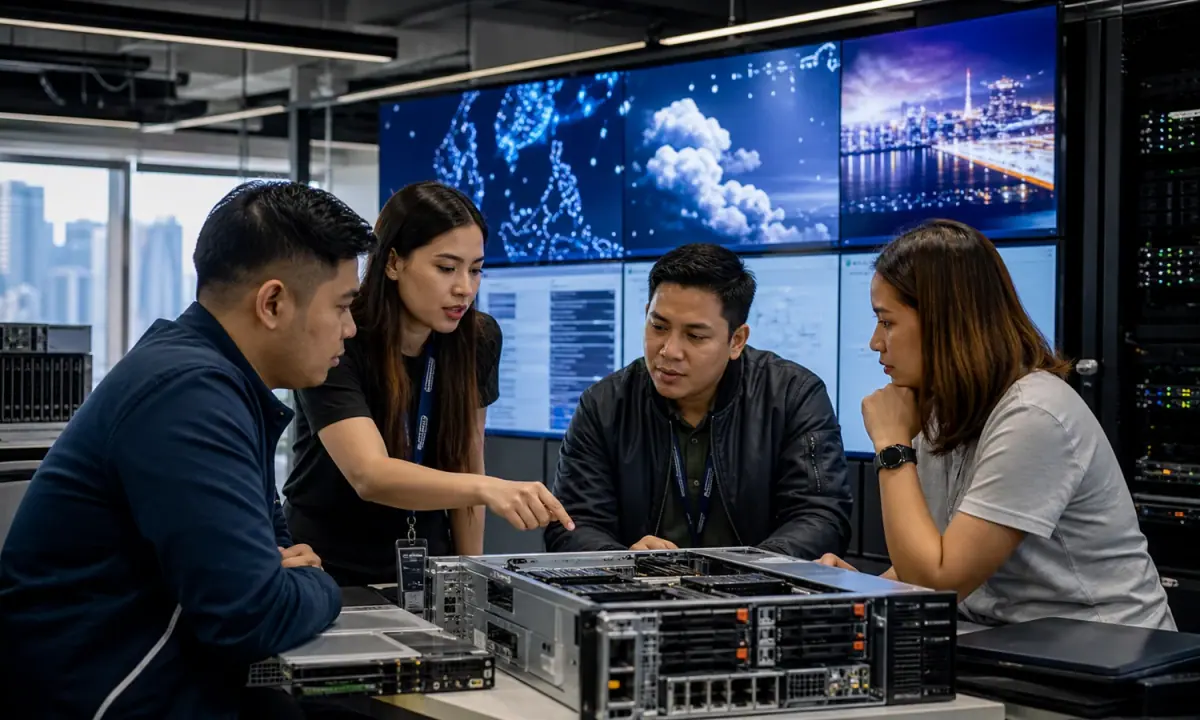
Tech Data is adding six Asia-Pacific markets to its IBM distribution footprint, bringing regional coverage to ten markets.
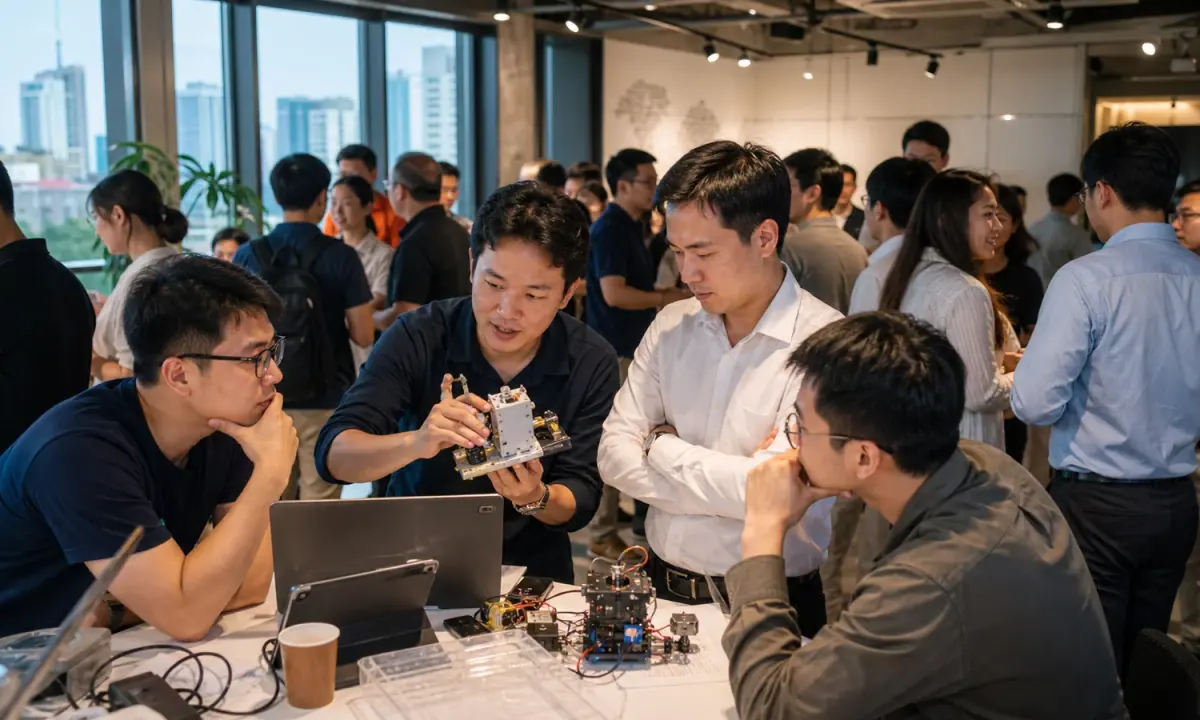
Vietnam Startup Community Day 2026 is running from 18 to 23 August with workshops, founder meetups and a main ecosystem event.

OpenAI’s teen experience is rolling out to Singapore with age prediction, added safeguards and optional parent-linked controls.

Tech Data, the APAC operating name of TD SYNNEX, has been named IBM’s 2026 Distribution Growth Leader for Asia Pacific.
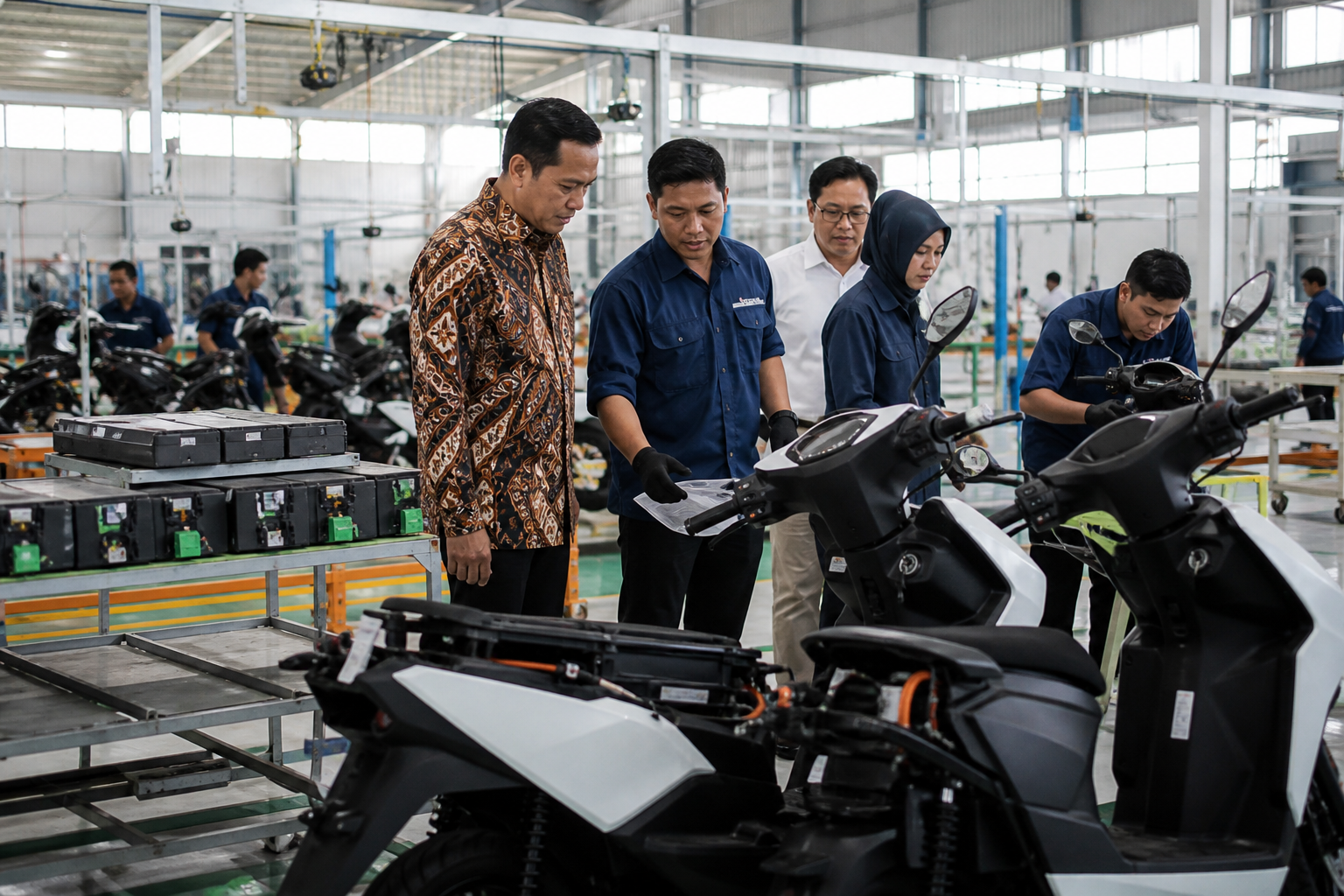
The Industry Ministry says it is ready to administer a proposed Rp5 million incentive for local electric-vehicle manufacturing, while the amount, eligible brands and start date still depend on a Finance Ministry regulation.
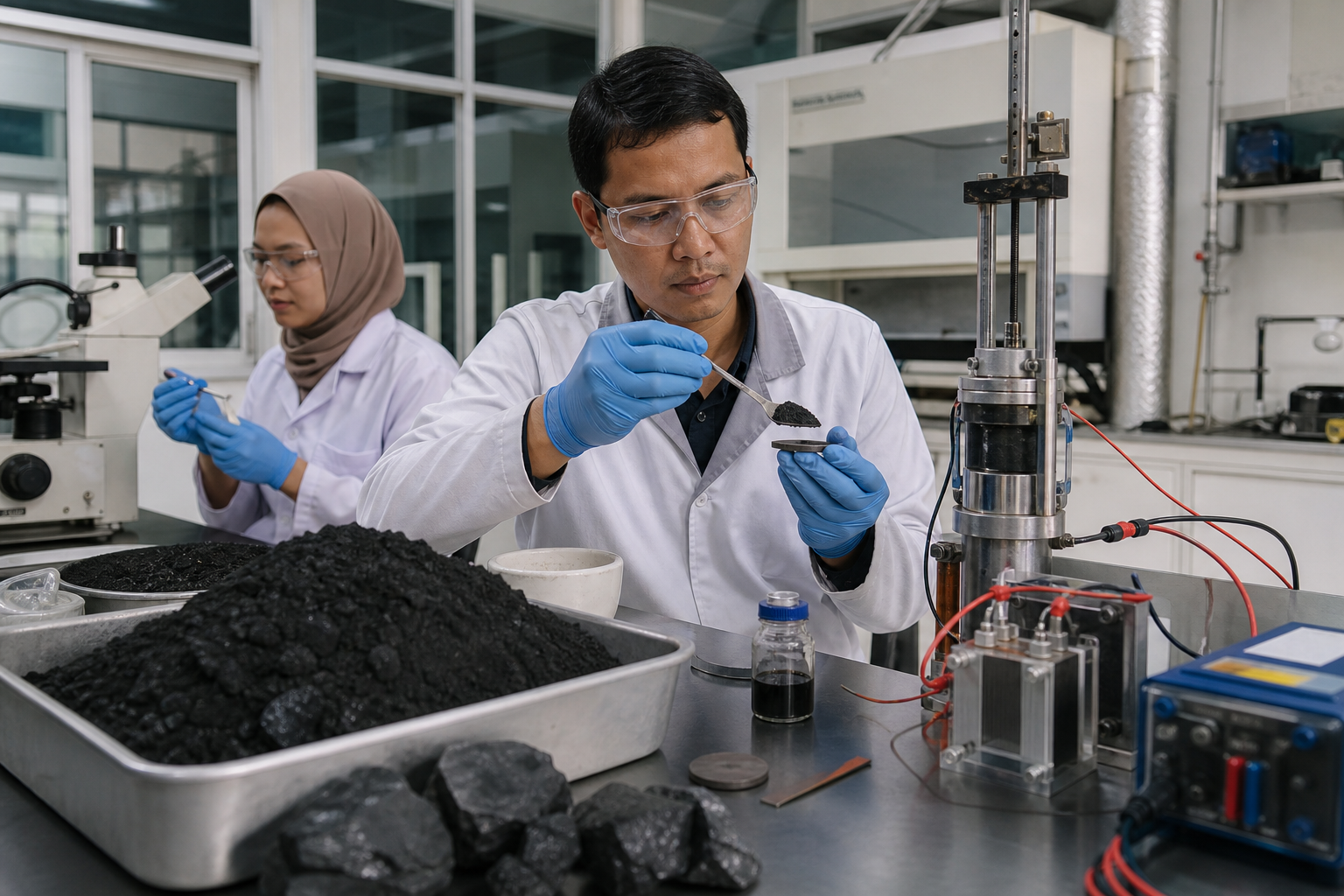
BRIN researchers report 96.8 per cent structural conformity in artificial graphite made from coal waste, an early research result aimed at a more local electric-vehicle battery supply chain.

BRIN and PTDI are refining land and amphibious versions of the locally developed aircraft, with a flying-ambulance role still presented as a future application.
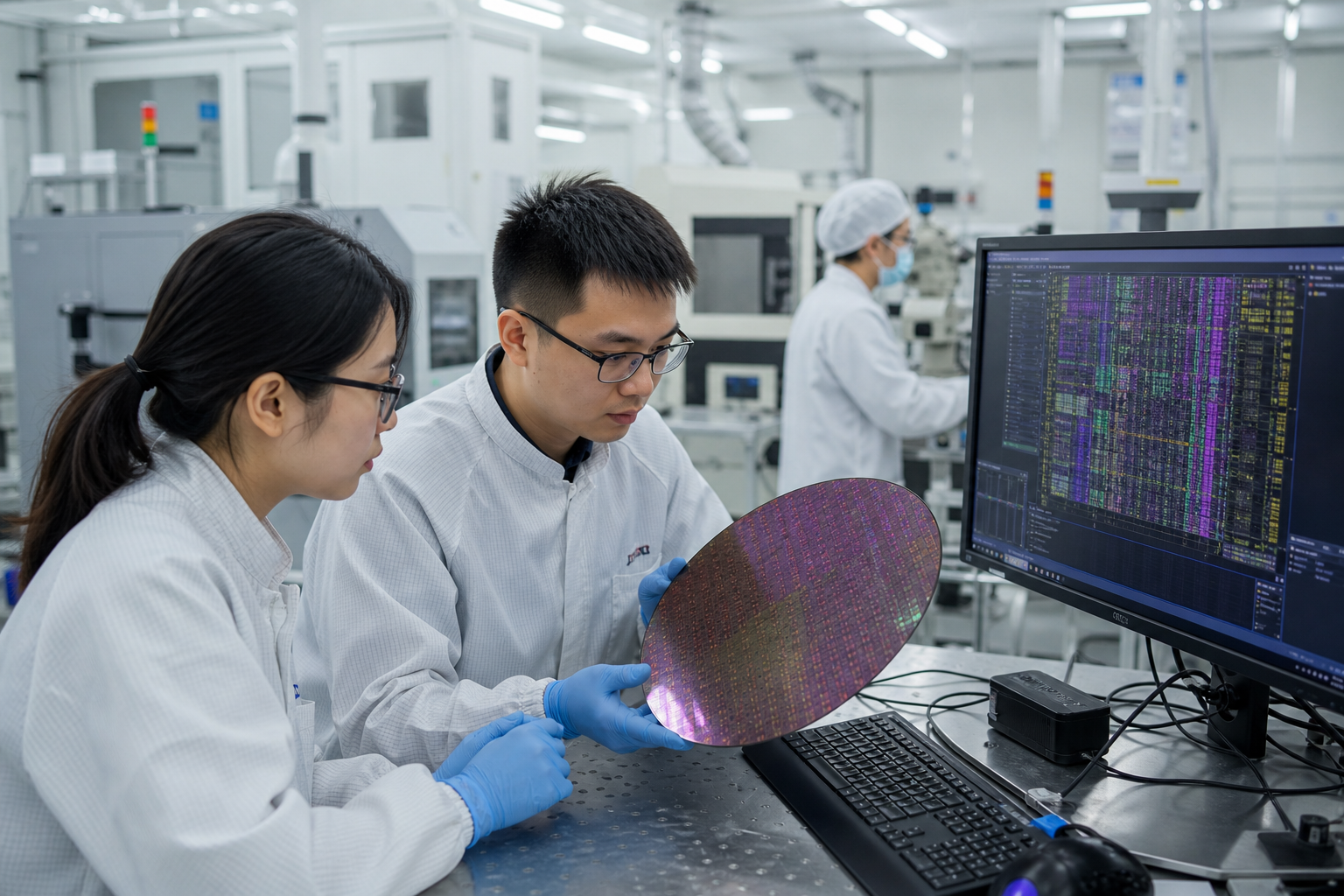
The draft 2040 structure plan targets higher-value design, system architecture and prototype development while building local technology suppliers around the state’s manufacturing base.
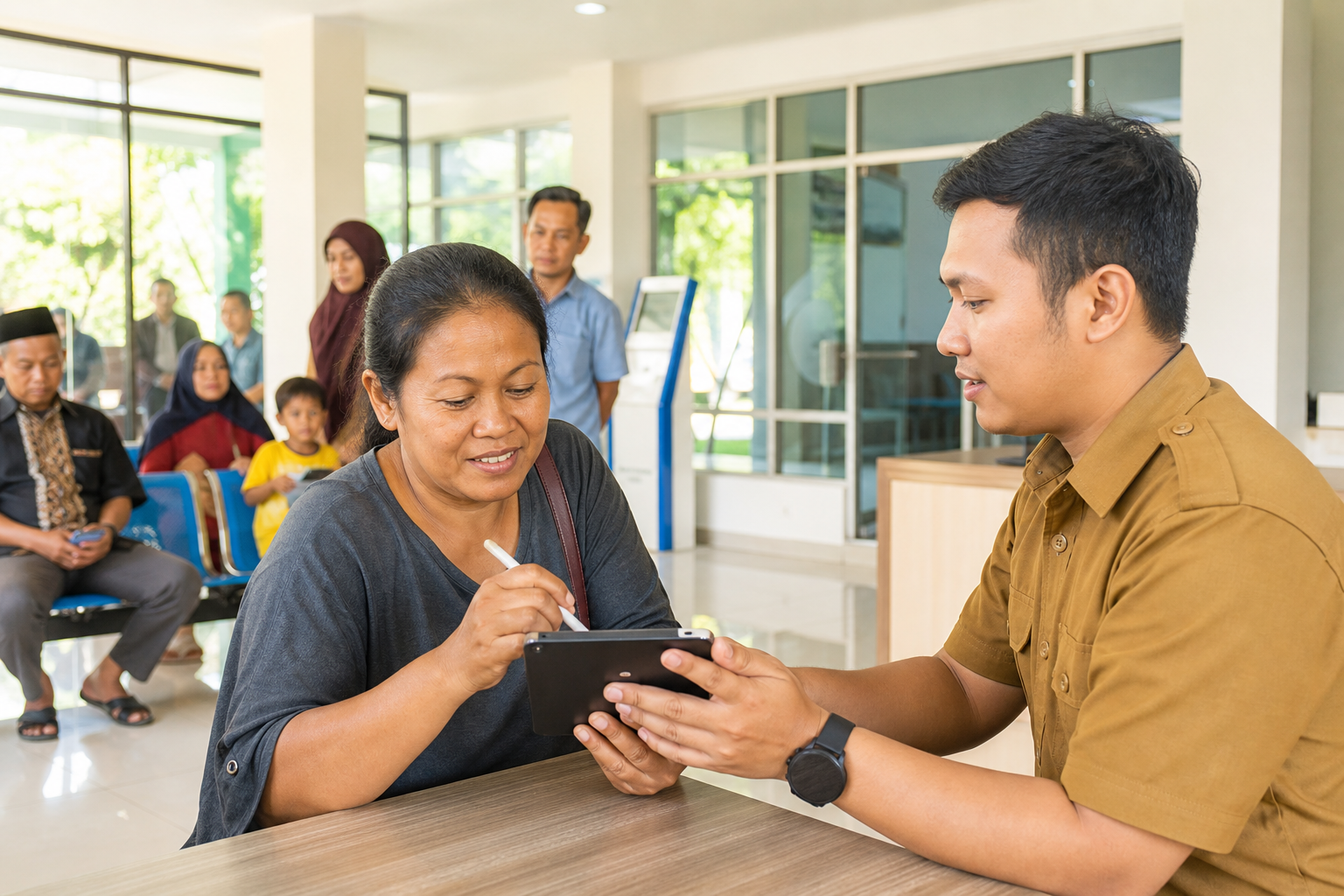
The operating rollout covers all 38 provinces and is intended to improve targeting for two large assistance programmes, with expansion to other benefits still planned.
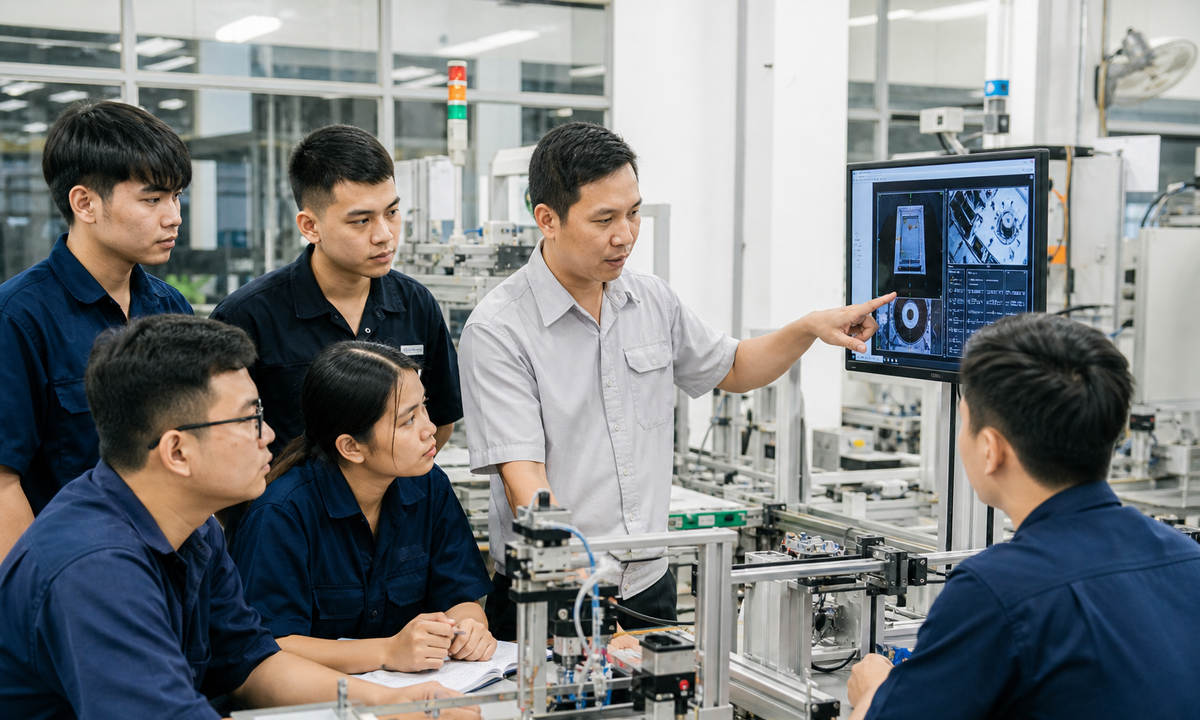
Vietnam aims to provide at least 10 million workers with basic AI skills by 2030 while building a deeper pipeline of applied specialists and core-technology experts.

Singapore’s share-market rally is gaining support from stronger growth as well as the market’s traditional defensive qualities.

A White House report names Thailand among economies it associates with elevated transshipment risk; the Thailand-specific classification remains unverified.

Hoa Phat reported stronger first-half earnings while Vietnam continued a large public-investment programme. The two developments are relevant together, but the available evidence does not establish causality.
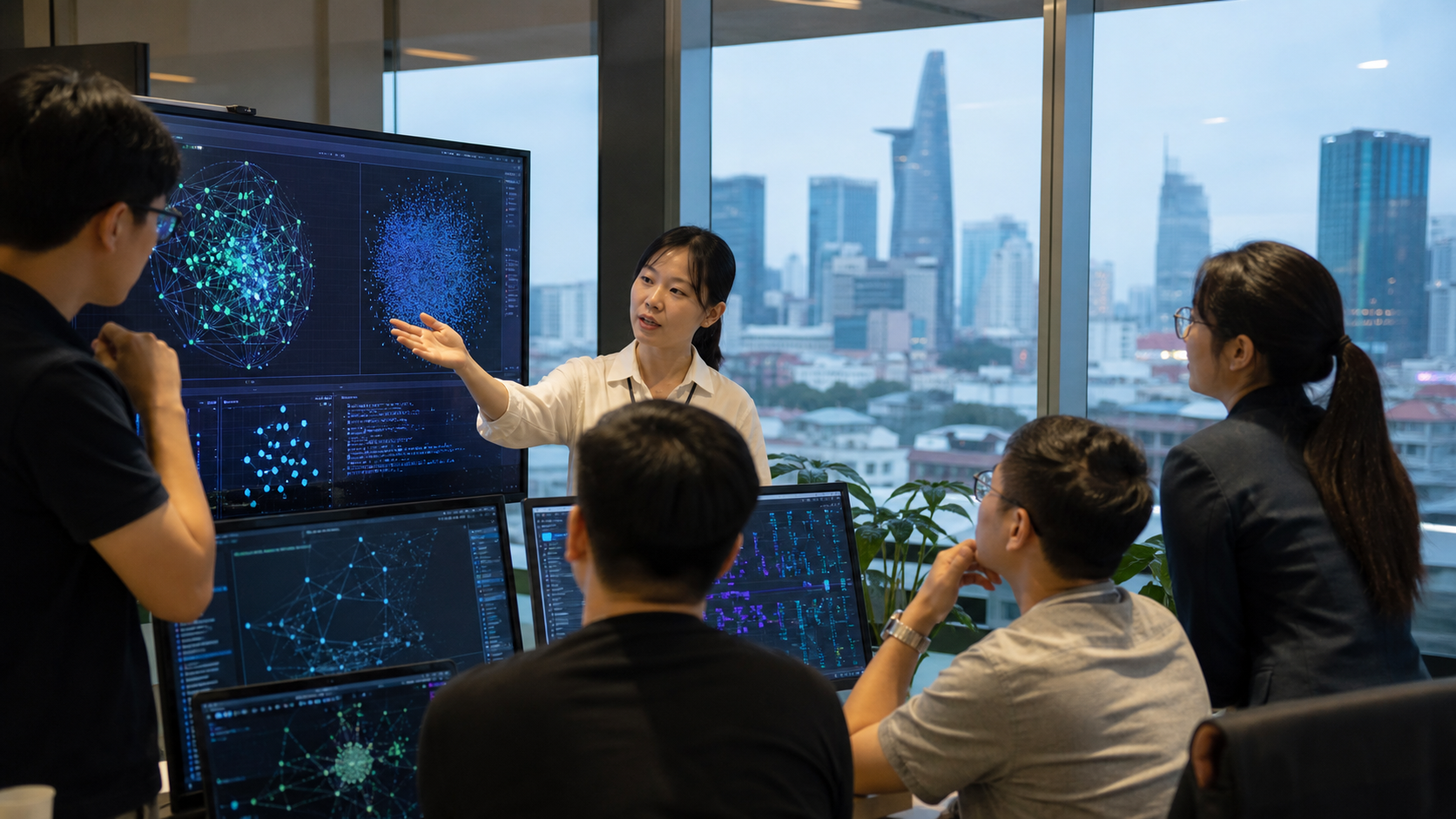
Vietnam's deputy prime minister has called on Ho Chi Minh City to test and scale new AI and digital-asset models with clear safeguards.

Indonesia has announced planned financial centres in Jakarta and Bali covering investment, fintech and international commercial services.
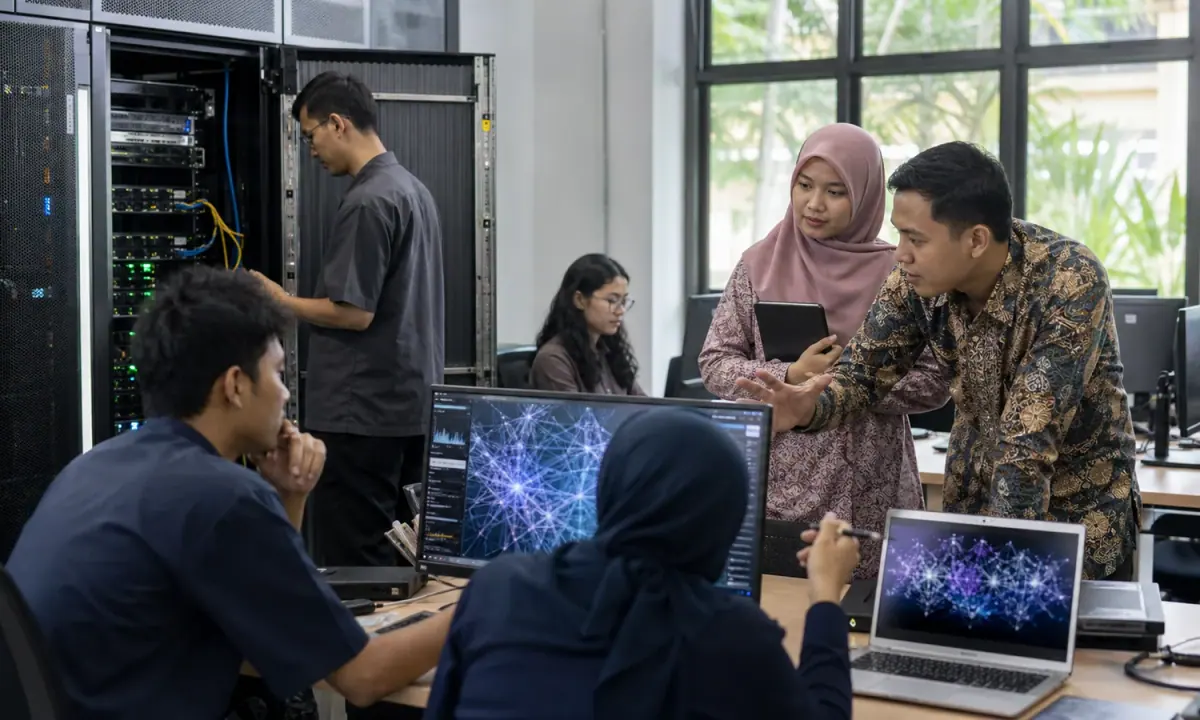
Indonesia has opened its first university-based AI technology centre, connecting local research teams to advanced computing and technical support.
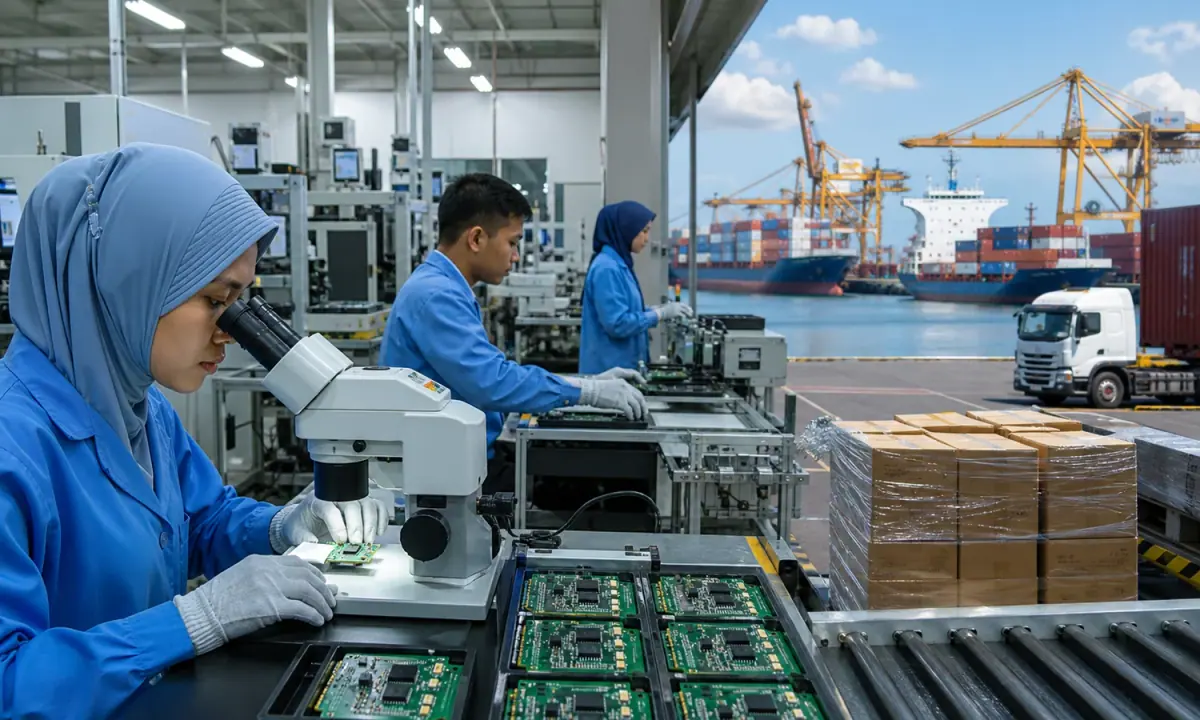
Malaysia's economy expanded 6% in the second quarter, with electronics and other export activity supporting manufacturing growth.

Vietnam has issued a strategy that ties international technology cooperation to stronger domestic research, skills and commercial capacity.
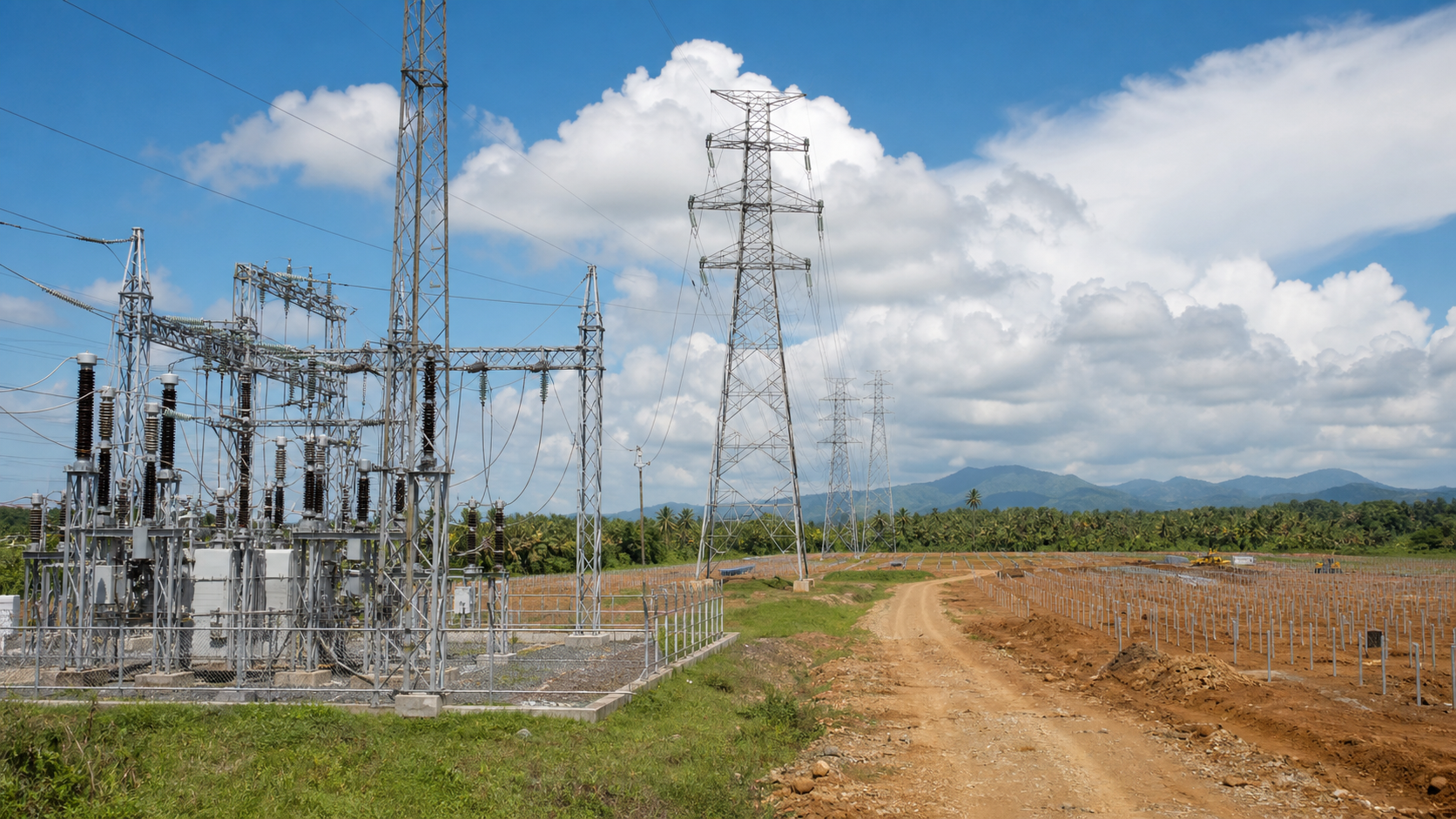
Alsons Consolidated Resources reported a 31% increase in first-half net income to PHP1.7 billion.

First Gen is evaluating a preliminary KKR proposal that could lead to a tender offer and voluntary delisting.

Singapore-based Graas has raised US$17 million in Series B funding and completed its acquisition of Trustana.

Agoda has introduced an AI assistant that helps travellers compare hotel-room options inside its mobile app.

ST Engineering reported 11% first-half revenue growth and a record S$35.7 billion order book.
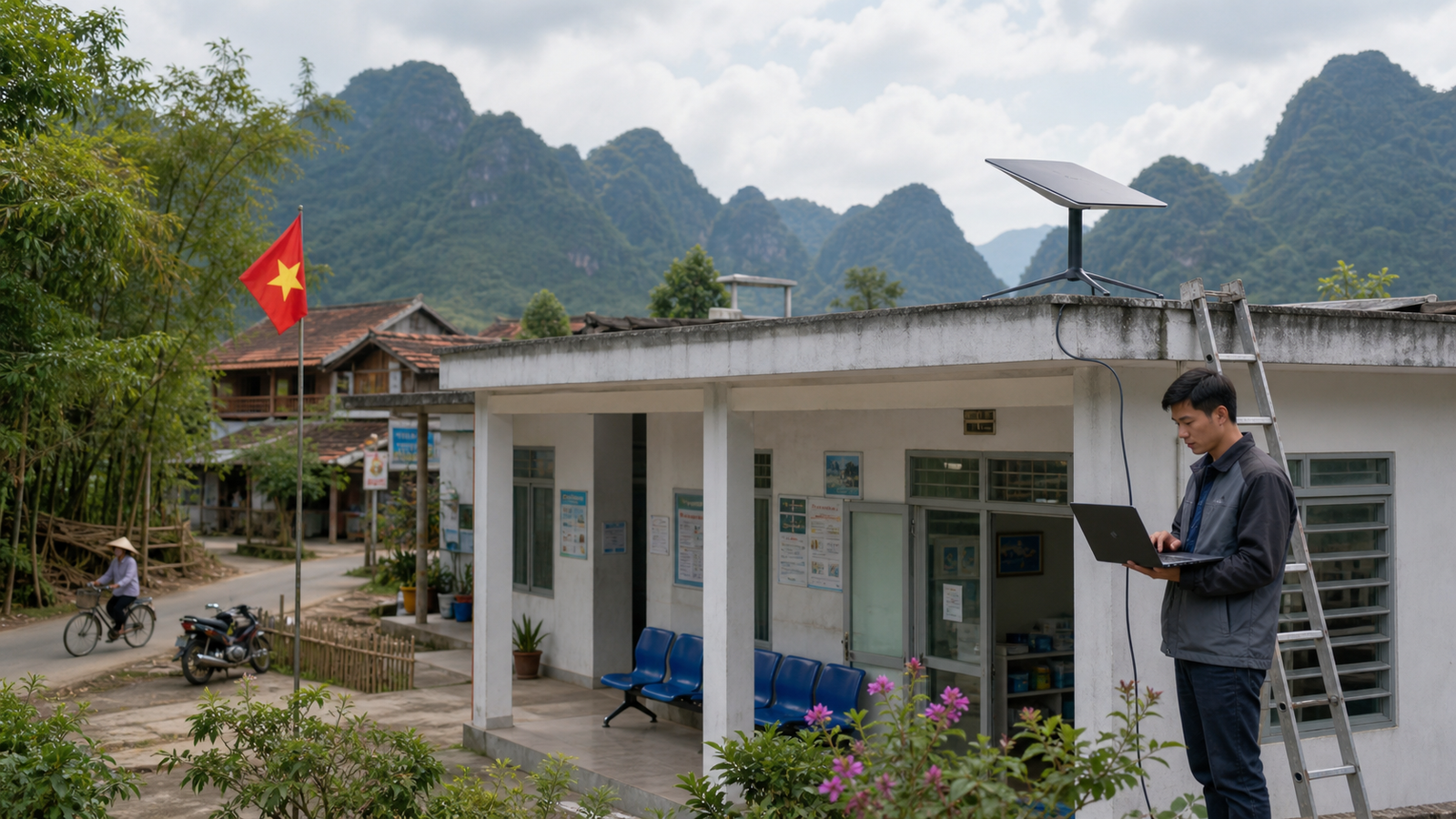
Starlink has opened Vietnamese service plans and ordering, adding a satellite option for homes and businesses.

Bitazza Thailand says it has completed infrastructure for the coming Travel Rule requirements.
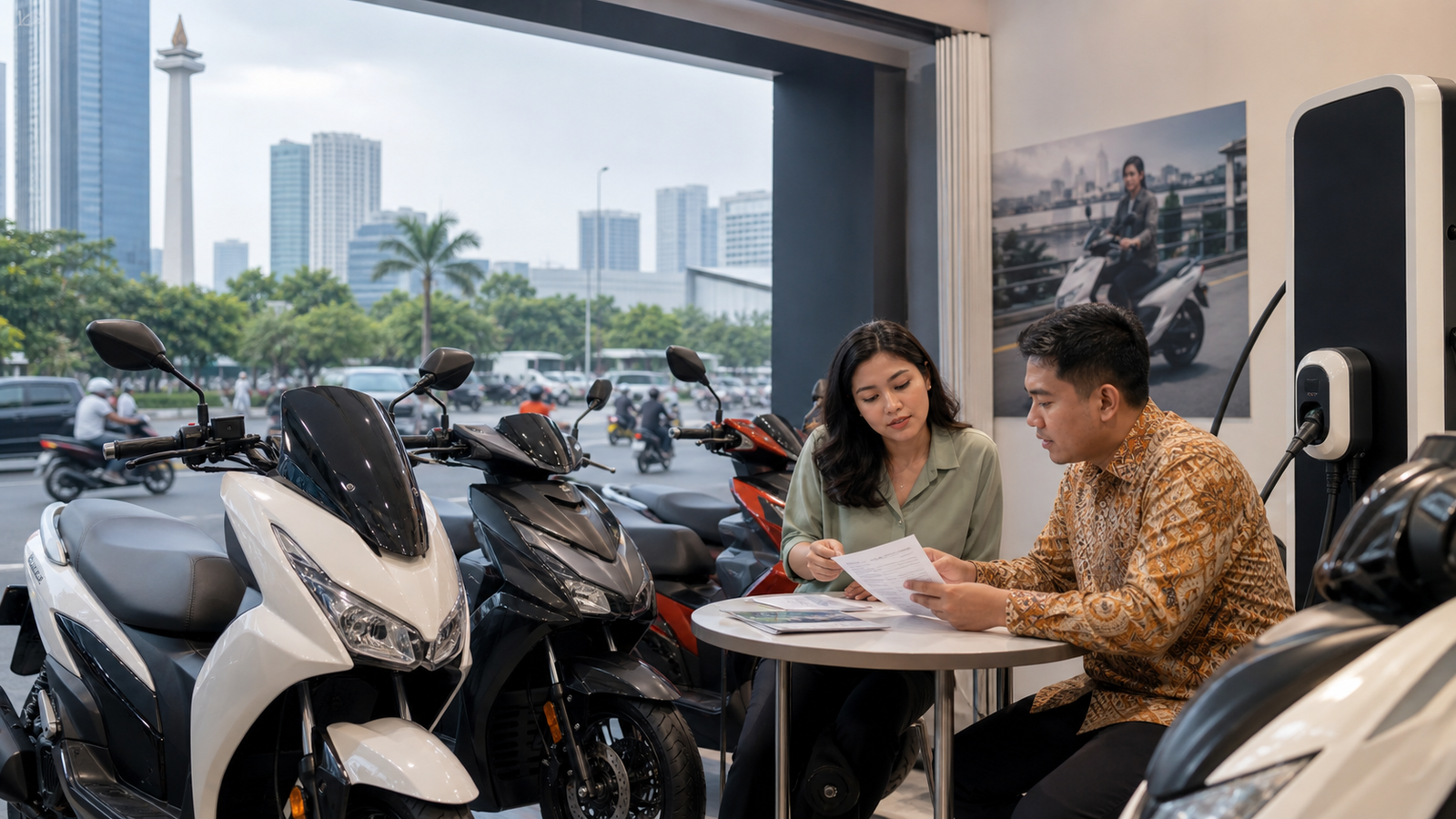
Indonesia's Danantara said state-owned banks are ready to offer lower-cost financing for the Molinas electric motorcycle initiative.

Jakarta says its 12.2km Velodrome-Manggarai LRT extension is 97.99% ready, with initial operation scheduled for 26 August.
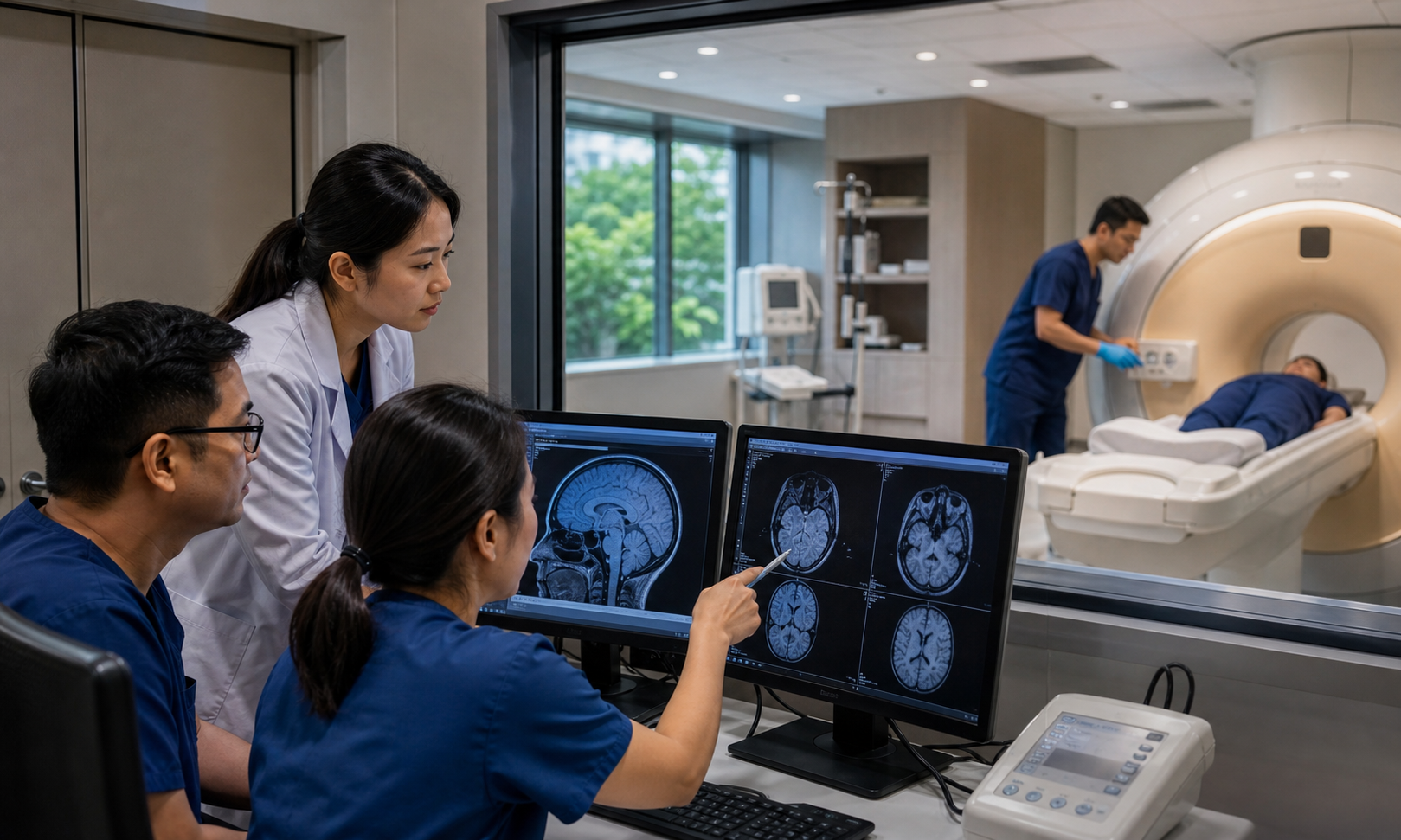
HMI Medical has completed its acquisition of Lifescan Imaging, adding three Singapore imaging centres to its network.
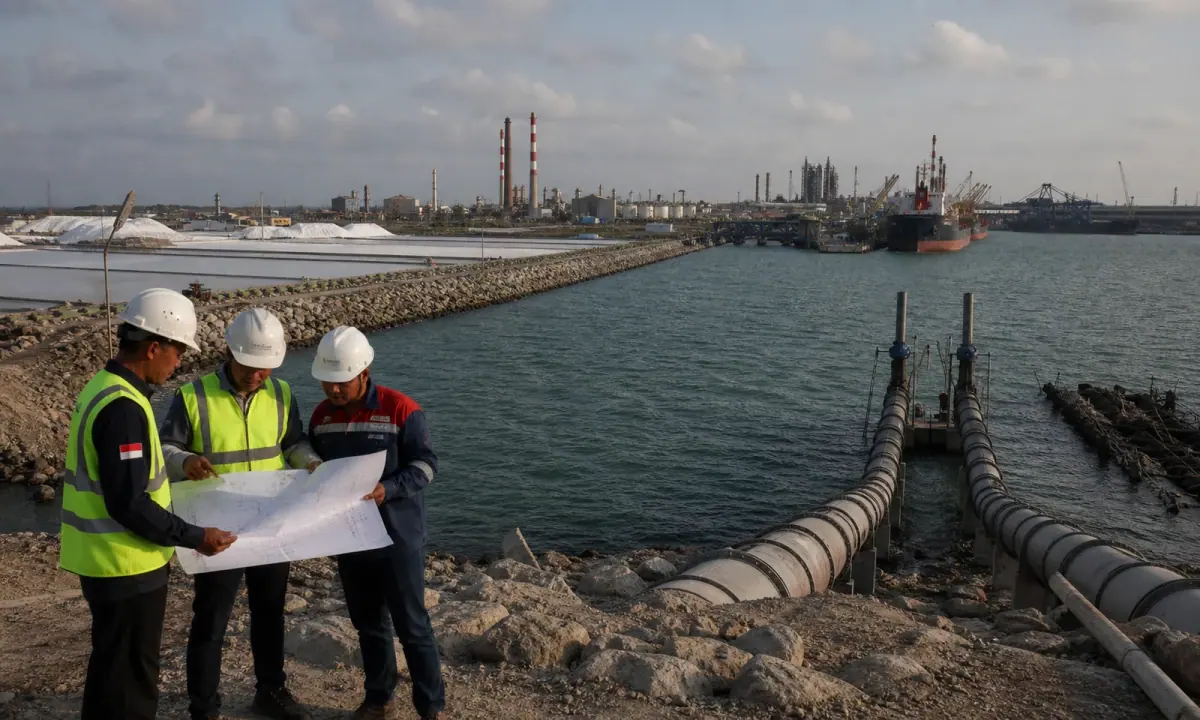
ACWA Power and PT GARAM have signed a joint development agreement for a planned East Java desalination and industrial salt project.
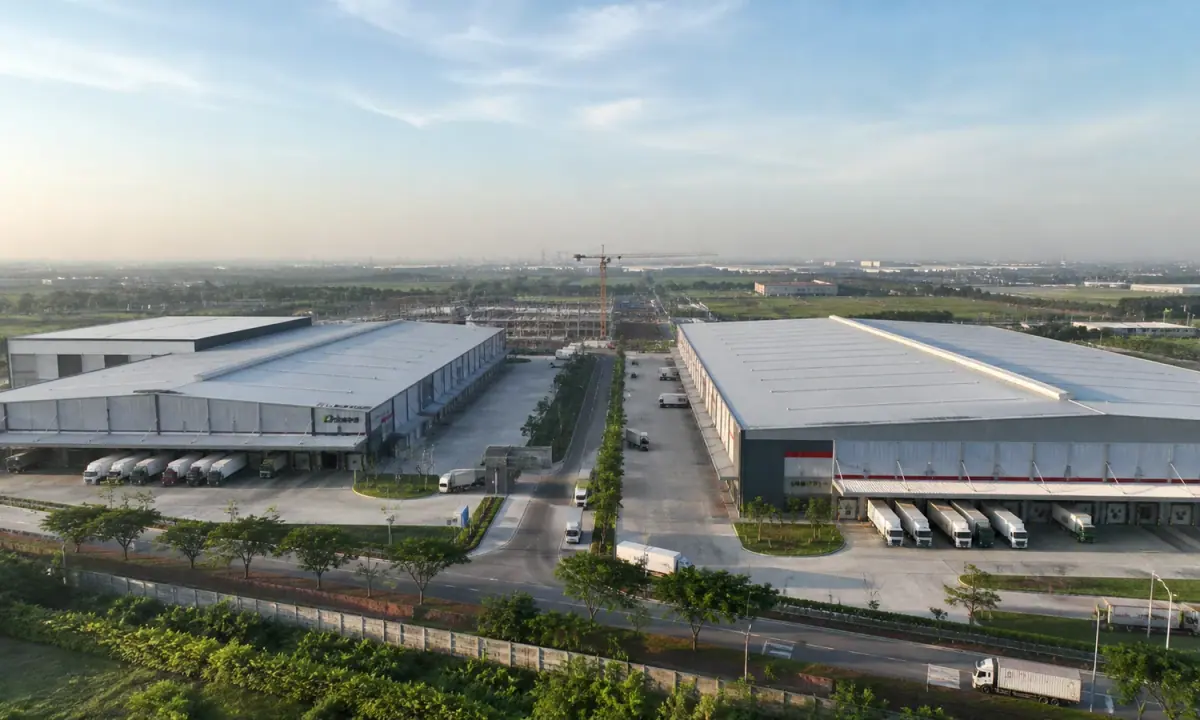
ESR and the Indonesia Investment Authority are jointly investing in two logistics facilities in Greater Jakarta.

PhilWeb reported second-quarter revenue of 352.4 million pesos, with digital gaming solutions accounting for 57% of the total.

Sea reported second-quarter revenue of US$7.8 billion, up 48.1% year on year, with growth across Shopee, Monee and Garena.

Vietnam has fined Grab VND1.36 billion over six consumer-protection breaches involving data consent and customer disclosures.

Indonesia has launched its first physical gold ETF, creating a new listed route into its bullion market and a live test of custody, liquidity and investor trust.
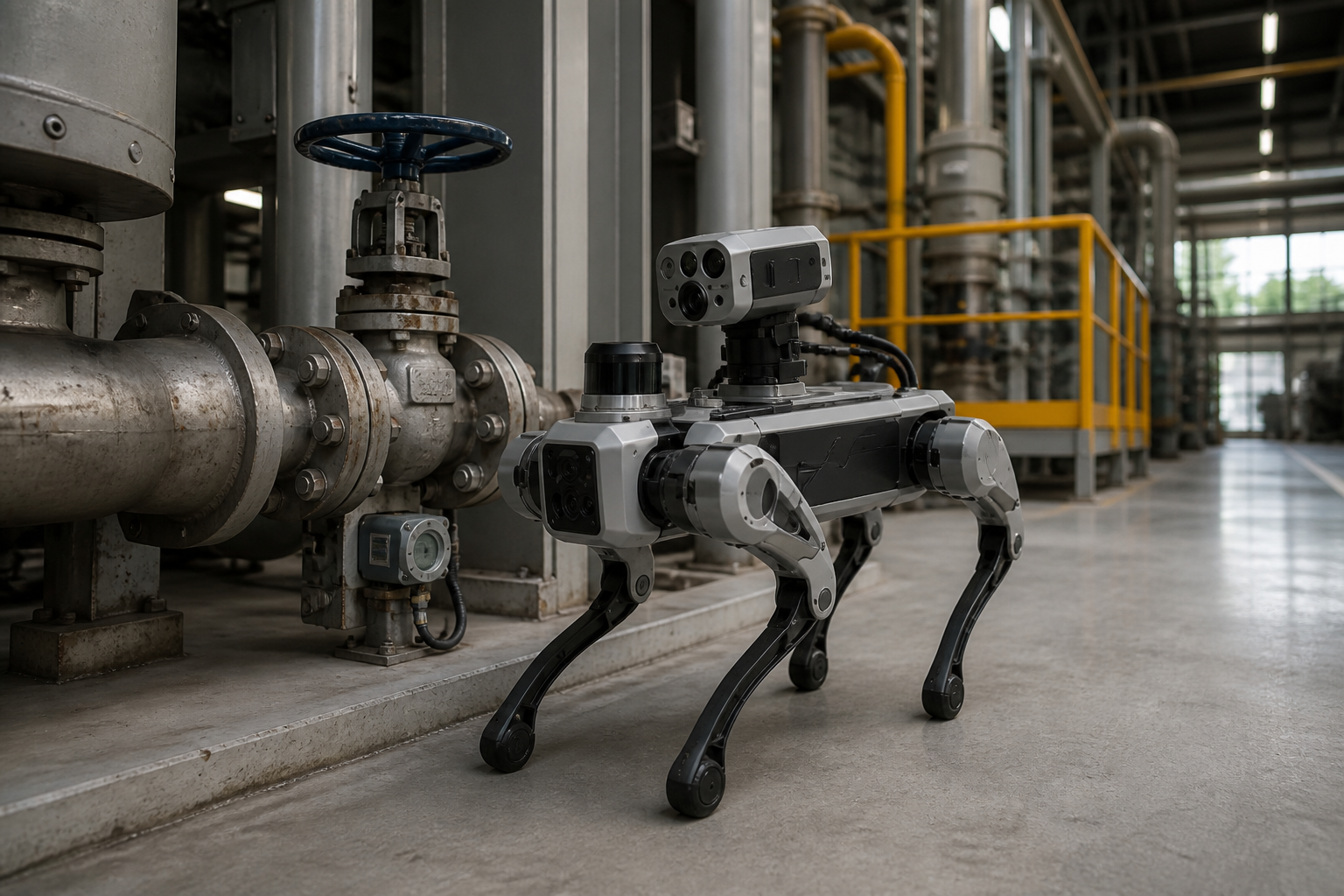
Avnet and Weston Robot say their edge-computing and robotics platform is designed to inspect factories, utilities and transport sites. The plan matters because it moves Singapore-developed physical AI toward commercial industrial use.

Why this matters: Resolution 66.22 expands Vietnam’s national digital-identity system into public services, digital signatures and payment-account links, creating a new operating layer for fintech and government-service providers.
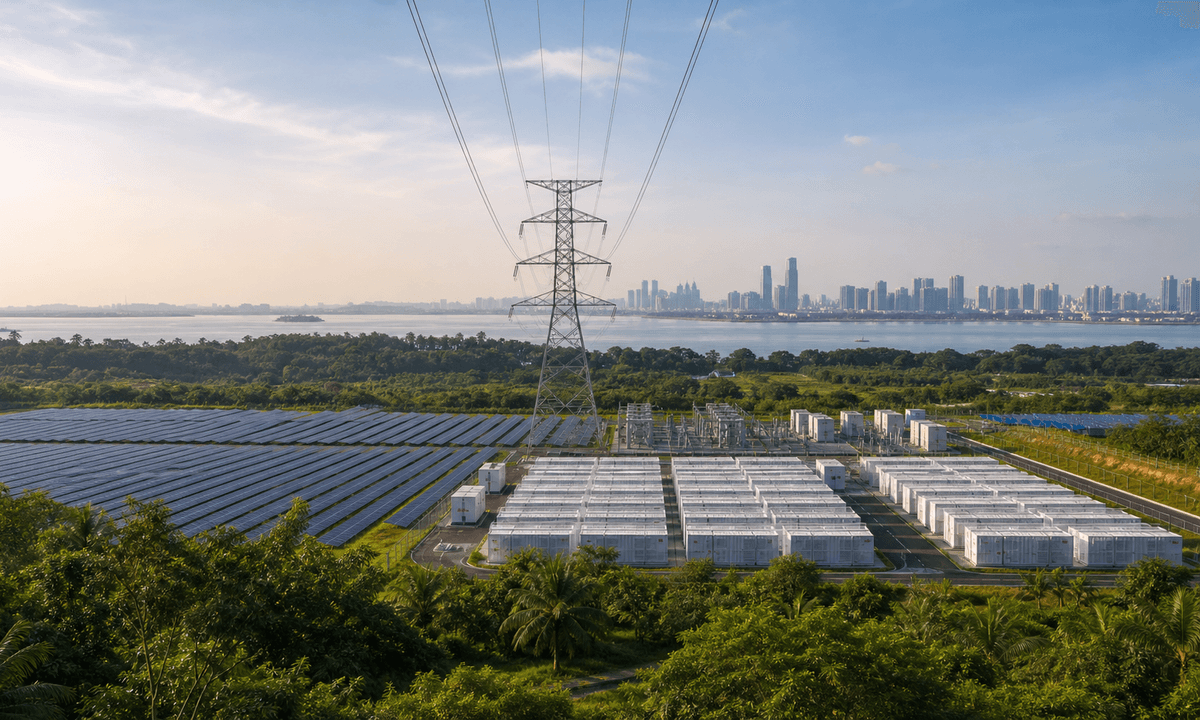
Why this matters: two more Johor projects on Singapore’s conditional-approval list expand the route for cross-border power trade and regional grid investment. EMA’s 7 August update does not authorise construction or power delivery.

SAP and Oxford Economics surveyed 200 Singapore business leaders: only 2% said their companies were fully prepared for agentic AI, making data, skills and governance the immediate operating issue.

The Singapore lab will study purpose-built AI for interactive digital environments, giving NUS researchers and Razer engineers a shared route from foundational research to tested gaming applications.
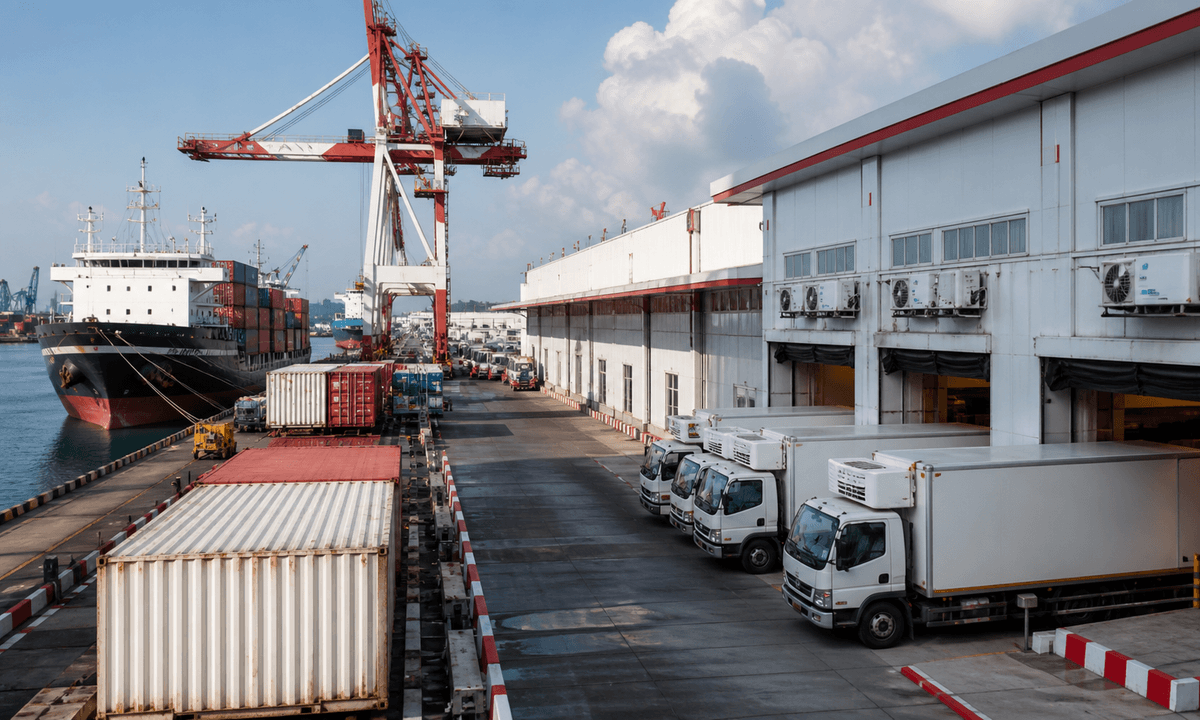
A 7 August JBS filing says Danantara Investment Management would acquire 25% of a venture spanning Indonesia, other Southeast Asian markets, Australia and New Zealand; a regional food-production and supply-chain investment subject to approvals and closing conditions.

TikTok Shop says it aims to support more than 3,000 creators by end-2026 and train at least 1,000 local sellers by end-2027 through expanded commerce programmes.

The organiser says its 7–8 October event at Marina Bay Sands is set to span five floors, with attendance, company and programme figures still presented as expectations rather than completed outcomes.

Decision 33 classifies 46 AI systems across six fields as high risk, putting human oversight and transition deadlines on the operating agenda for technology providers and deployers.

A planned computing hub aims to expand the country’s AI capacity, services and locally developed language models.
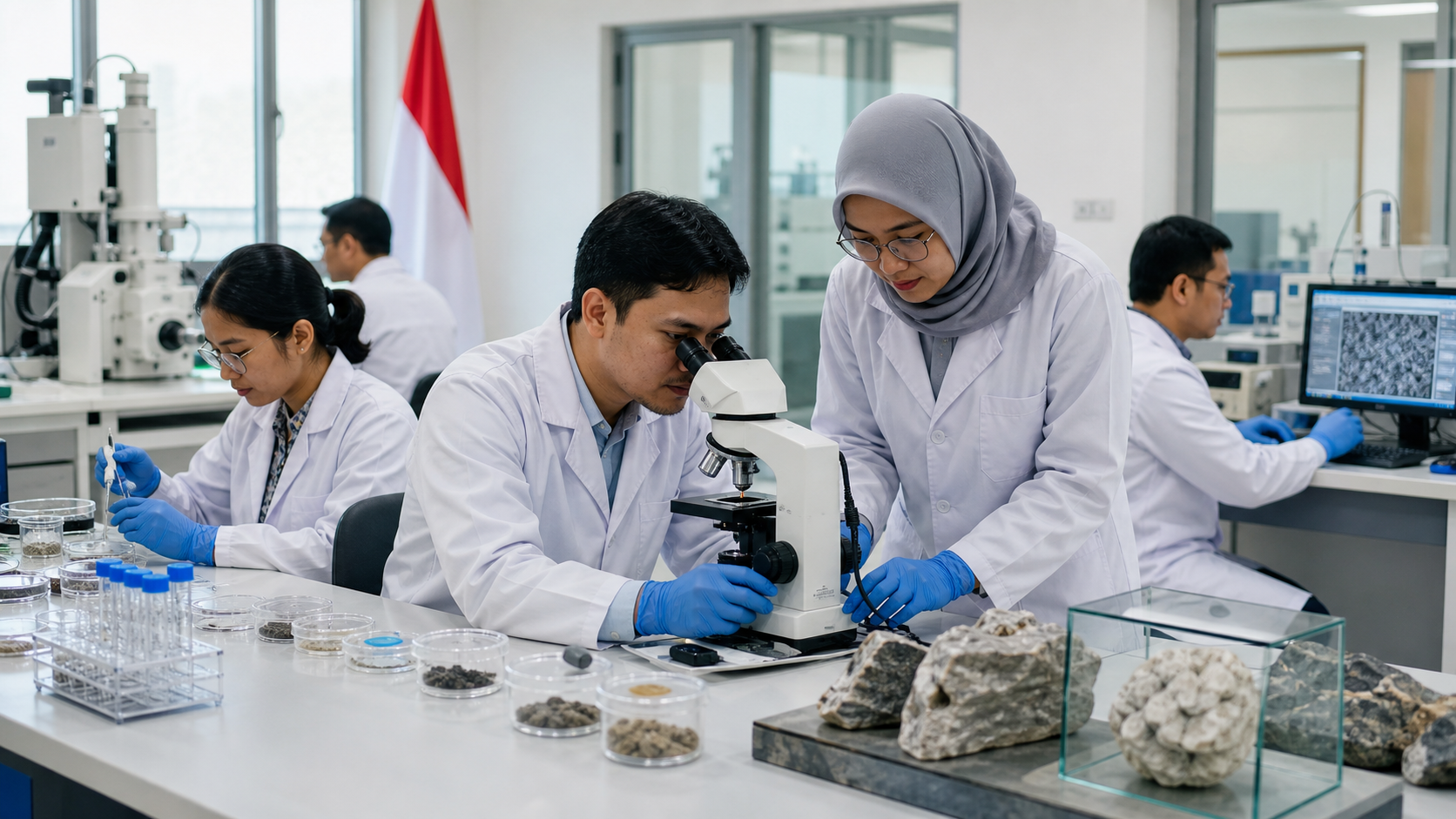
The president says research and development investment is inadequate and points to budget savings, stronger governance and anti-corruption efforts as possible sources of additional funding.

The Singapore optics company has withdrawn its Nasdaq application while prioritising purchase orders, production capacity and customer qualification.
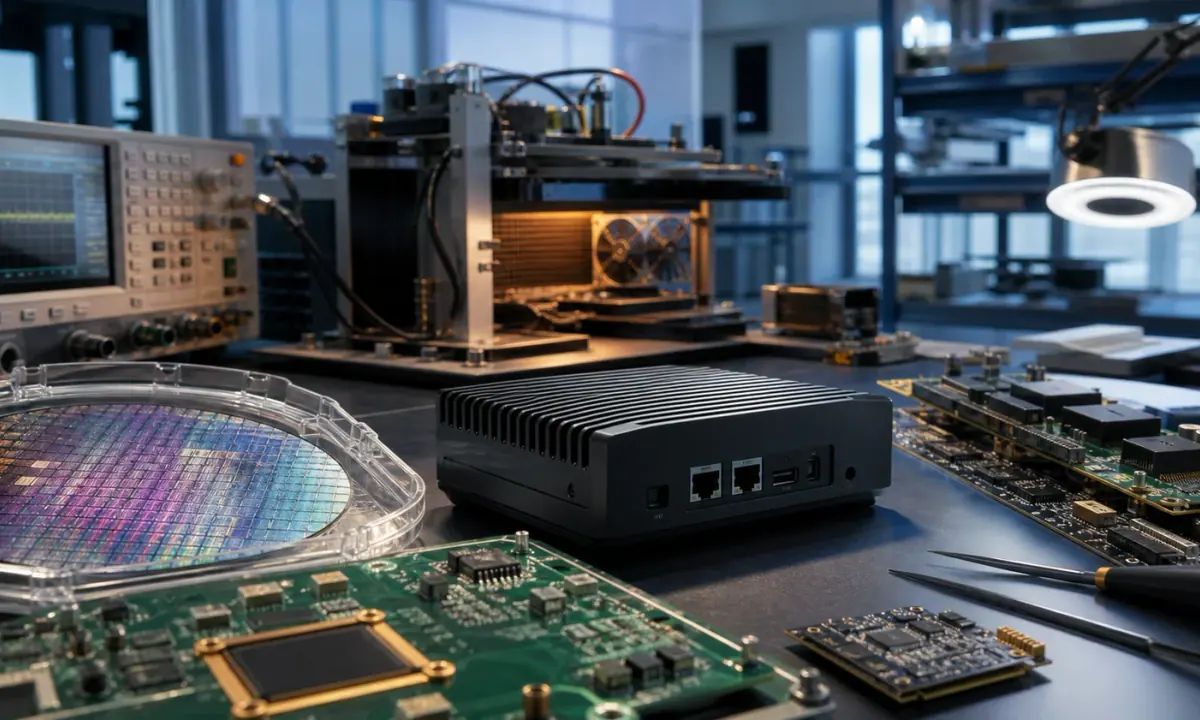
The Singapore company says its Series B will fund product scaling, ecosystem expansion and the next generation of its edge artificial-intelligence platform.

The regional launch combines official-store distribution with running-community events across Southeast Asia, testing how ecommerce platforms connect digital demand with local participation.

The partners launched updated lending and transaction-banking platforms in Hanoi as Vietnamese banks weigh artificial intelligence, risk and operating resilience.

Investment certainty from forward commitments covering 635,000 tonnes supports an agroforestry project with technology-enabled monitoring in Indonesia.
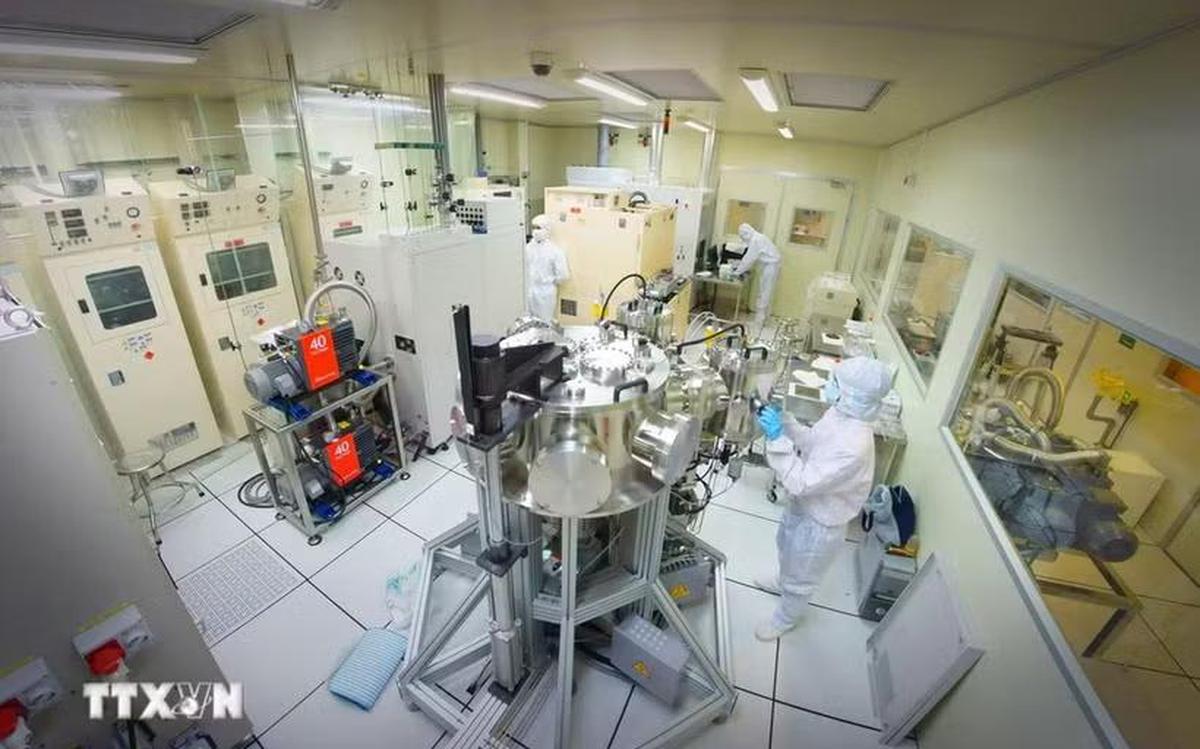
Vietnam is moving Resolution No. 57-NQ/TW—its national policy for breakthroughs in science, technology, innovation and digital transformation—from planning to measurable delivery. More than 18 months after the Politburo issued the resolution, central and local authorities are being asked to define concrete outputs, intended users, accountable owners and evaluation criteria for each initiative.
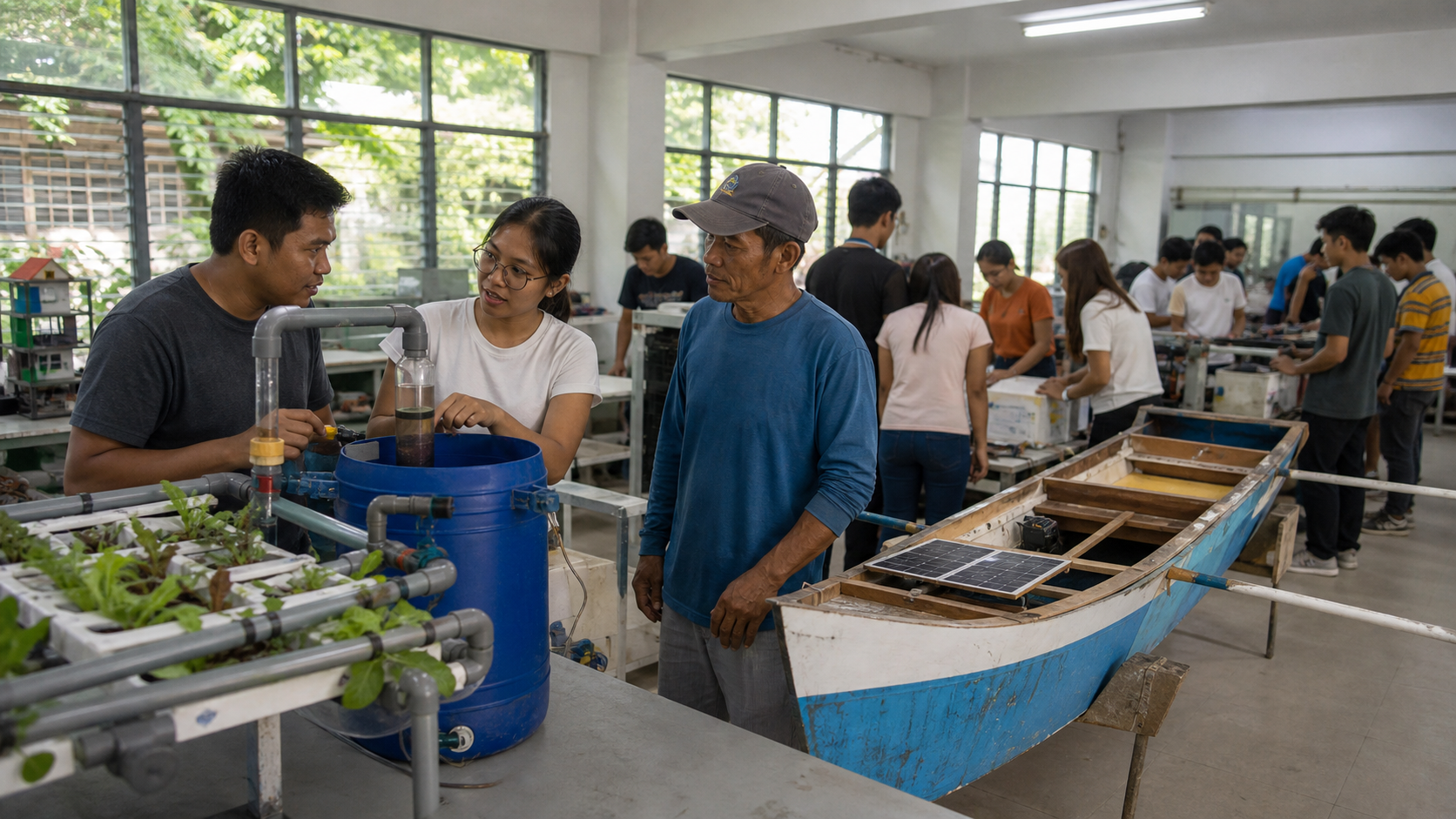
The Philippines Department of Science and Technology said science-based homegrown innovations in Central Visayas are being presented as solutions to local challenges. The item is relevant because regional innovation systems need locally adapted products, not only imported technology, to address agriculture, resilience, health and community-service problems.
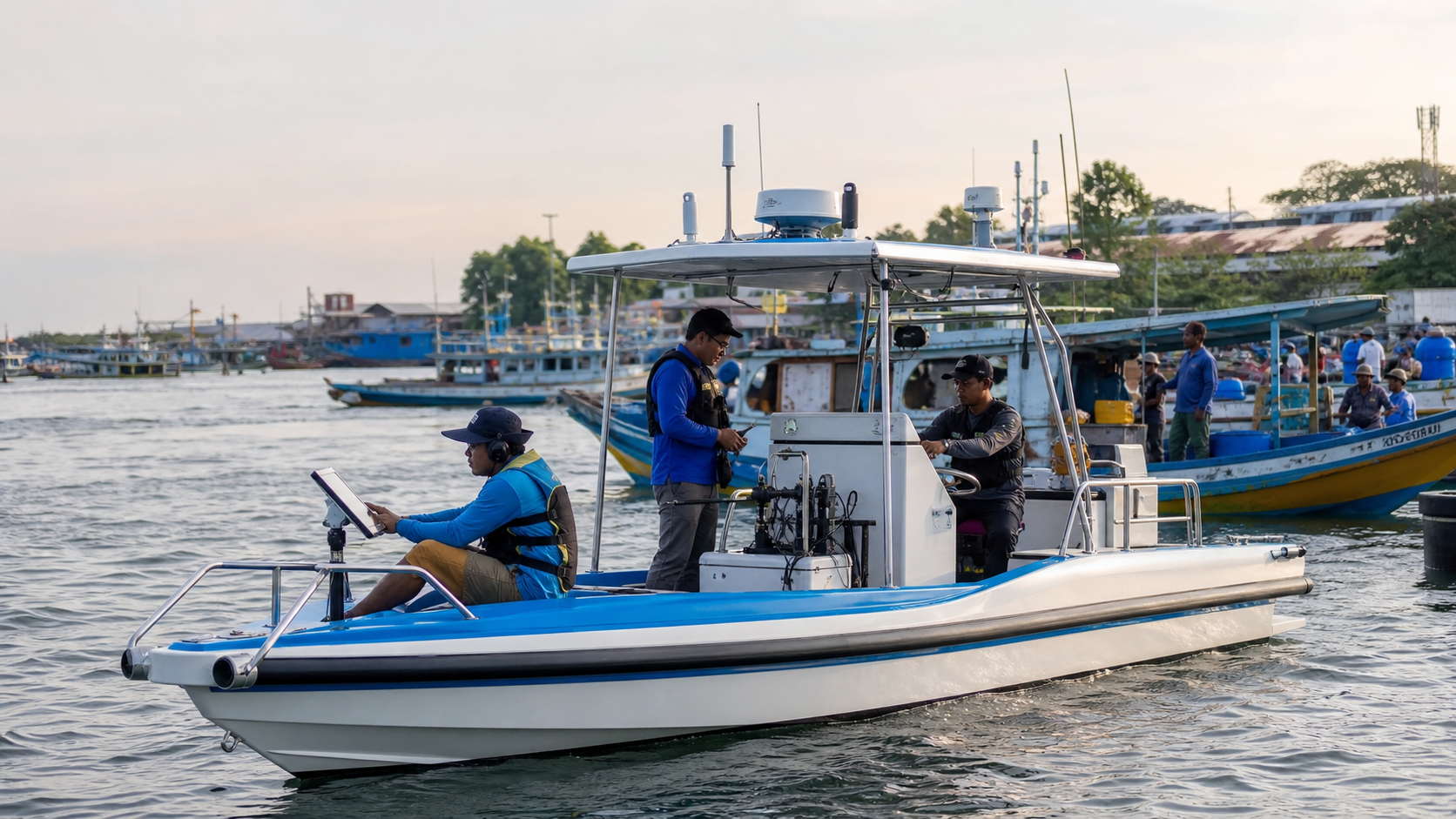
The Philippines Department of Science and Technology said President Ferdinand Marcos Jr. cited the DOST-funded M/B Dalaray in his State of the Nation Address. The story matters because national attention can help local innovation projects attract partners, funding and wider institutional support.
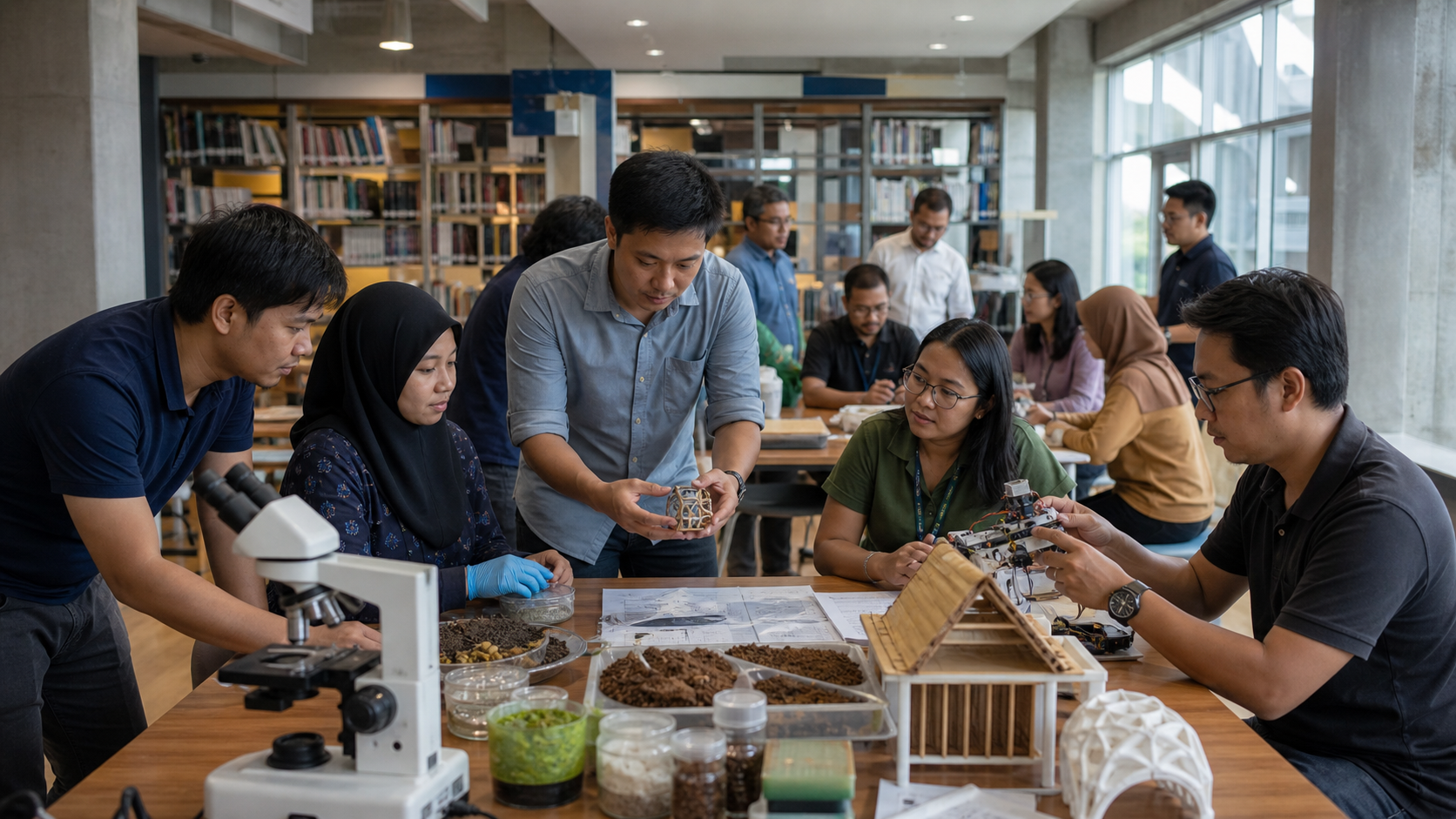
The Philippines Department of Science and Technology said Northern Mindanao launched its first HIRAYA knowledge hub during the 2026 Regional Science, Technology and Innovation Week. The hub matters because regional research commercialisation often depends on connectors that bring universities, local agencies, entrepreneurs and industry partners into the same pipeline.

The Philippines Department of Science and Technology described Mandaue City’s move toward smart-city status through data and digital governance. The story matters because municipal digital systems can create demand for connectivity, cybersecurity, cloud services, civic applications and data-governance support.
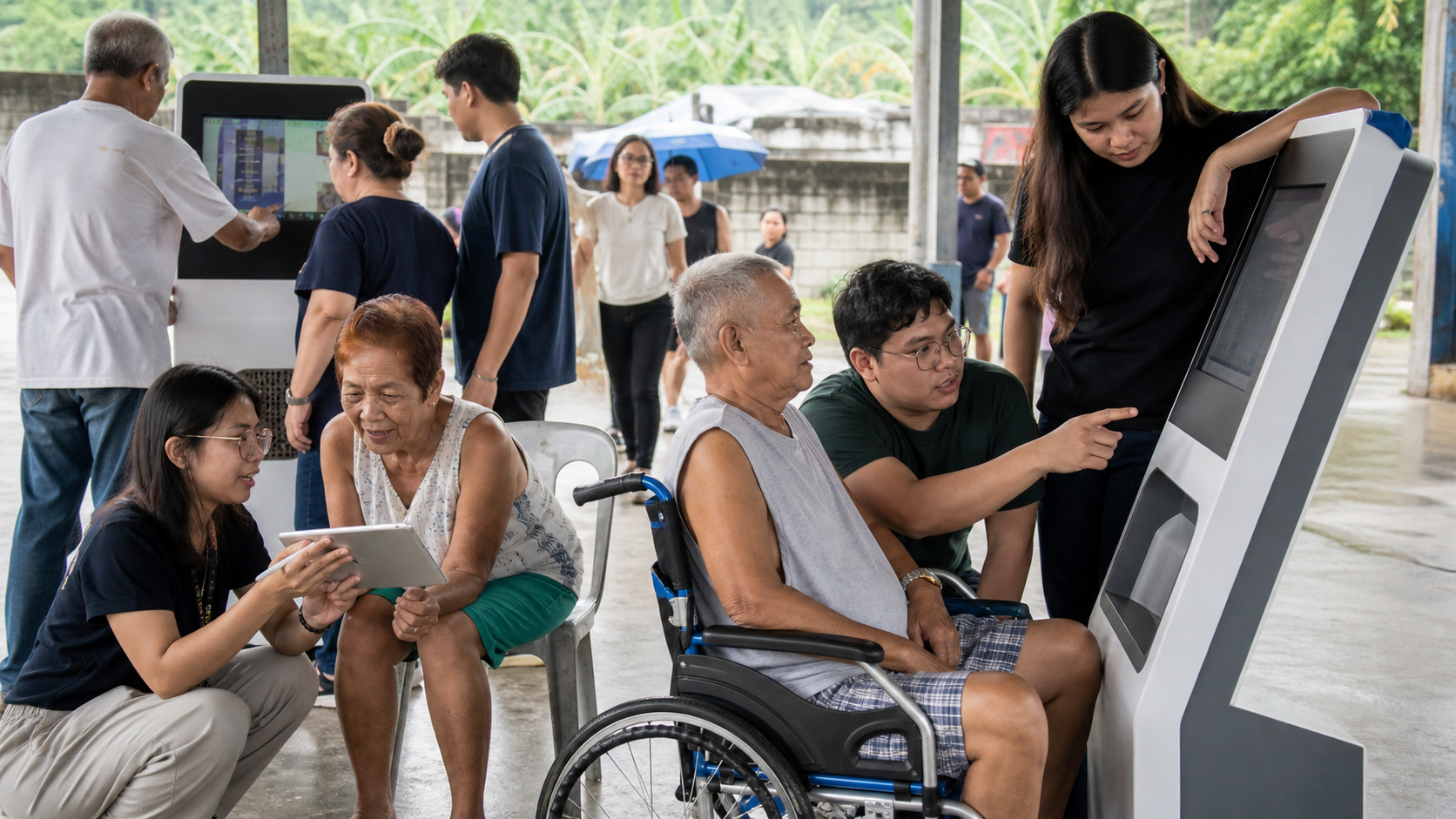
The Philippines Department of Science and Technology reported expert views that human-centred design should guide technology for smart communities. The point is commercially relevant because smart-city projects can fail when they prioritise devices and dashboards over resident needs, maintenance capacity and service outcomes.
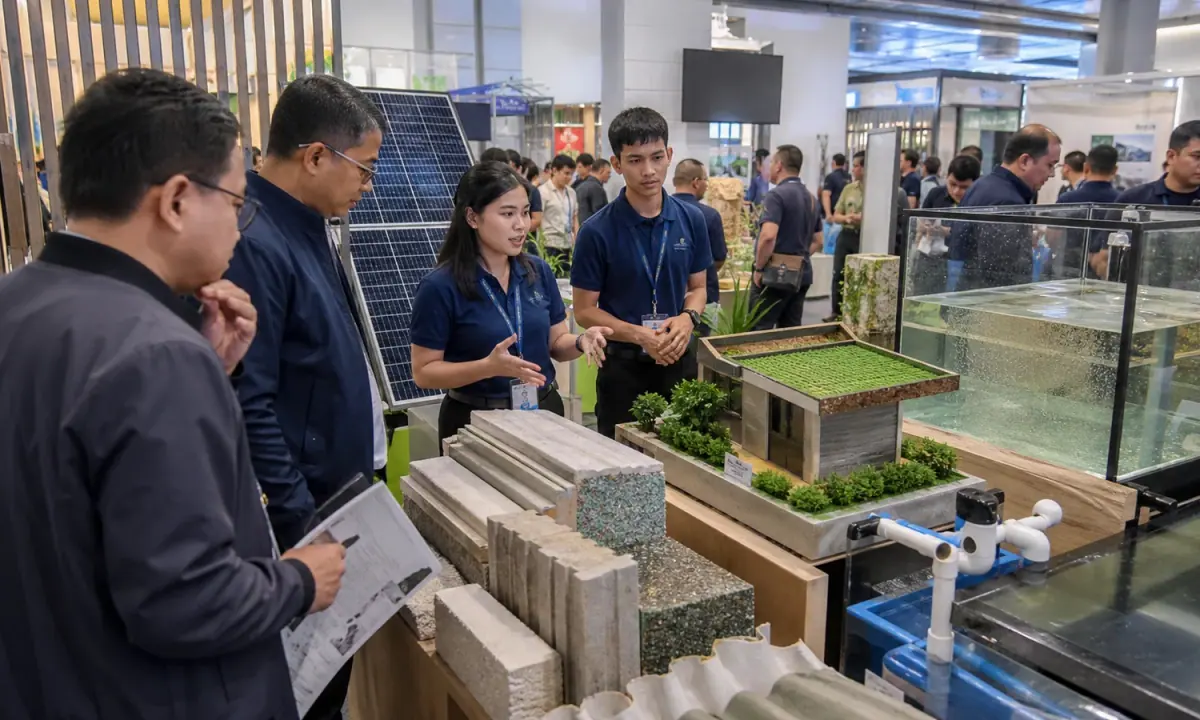
The Philippines Department of Science and Technology said it is partnering again with SM Prime and ARISE Philippines for SUSTEX 2026, a sustainability and technology showcase. The update matters because climate and resilience technologies often need visible demonstration channels before public agencies, property groups and business buyers adopt them.
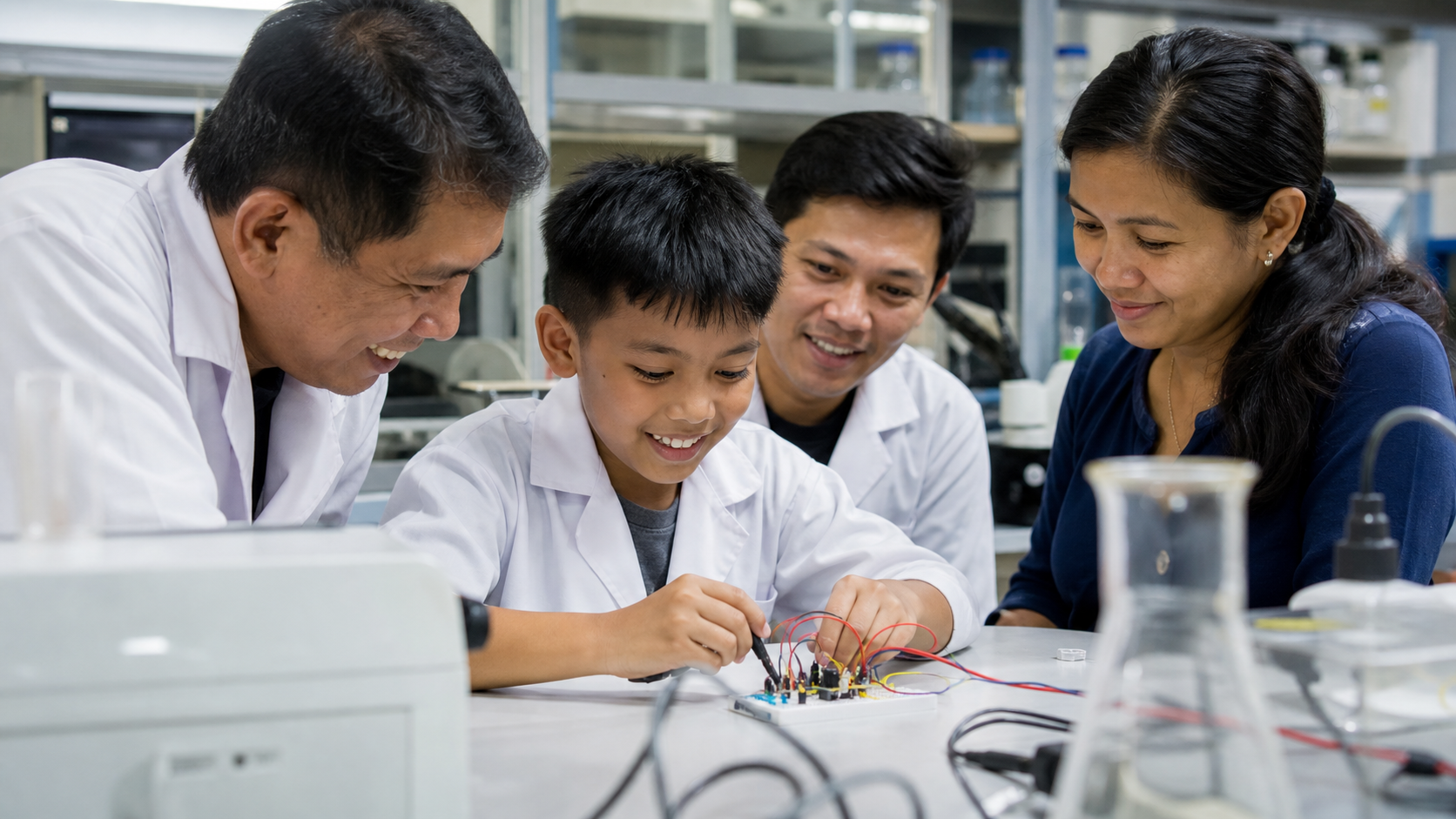
The Philippines Department of Science and Technology highlighted support for a young Batangas student who wants to become an inventor. For the innovation economy, the story is an early-talent signal. Programmes that expose children to science and invention can broaden the future pool of engineers, researchers and founders.
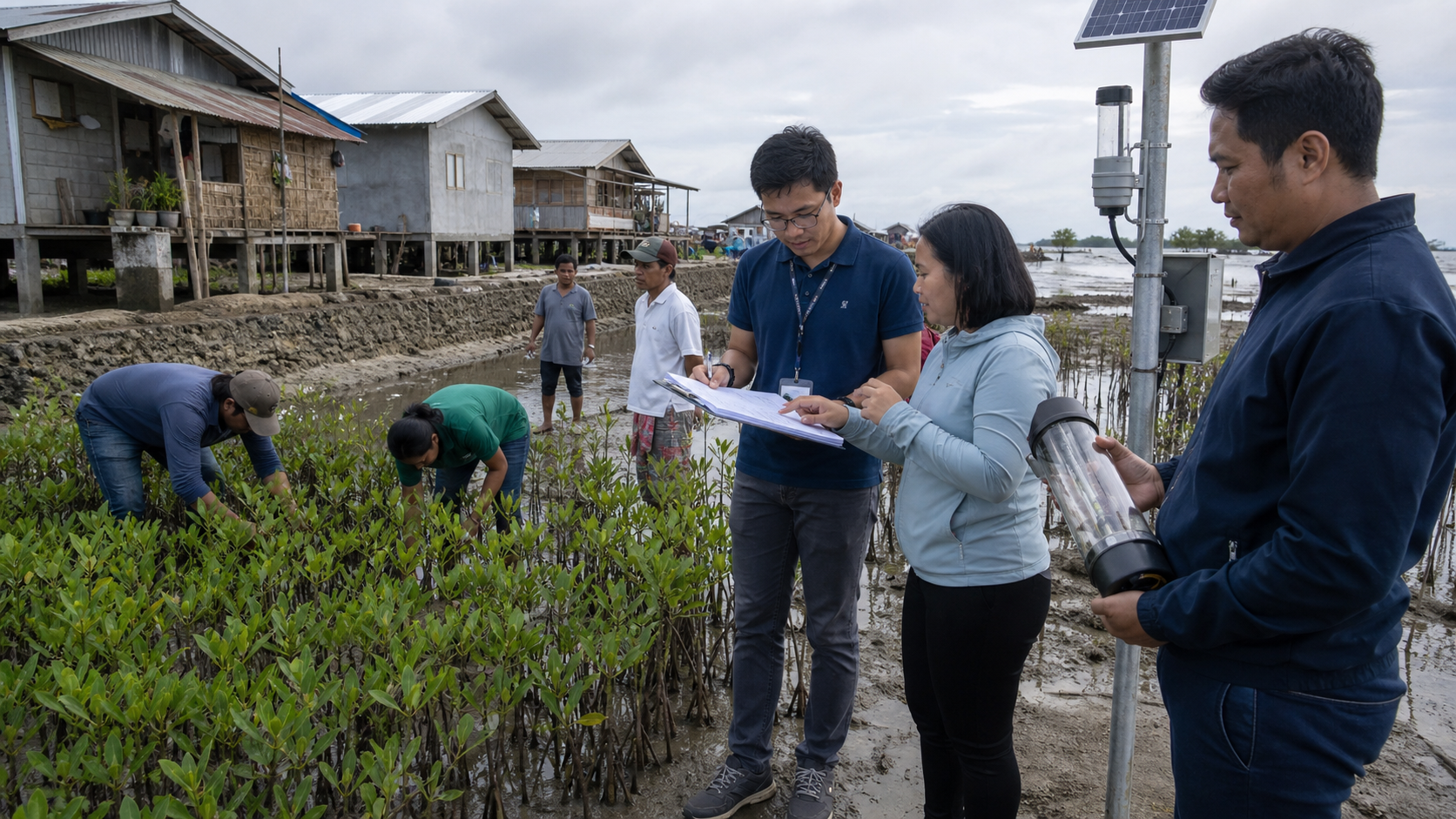
The Philippines Department of Finance said the country secured a US$6.78 million Green Climate Fund grant to support climate-investment planning for resilient communities. The grant is commercially relevant because climate adaptation increasingly shapes infrastructure finance, insurance exposure, local-government procurement and project pipelines in vulnerable Southeast Asian markets.
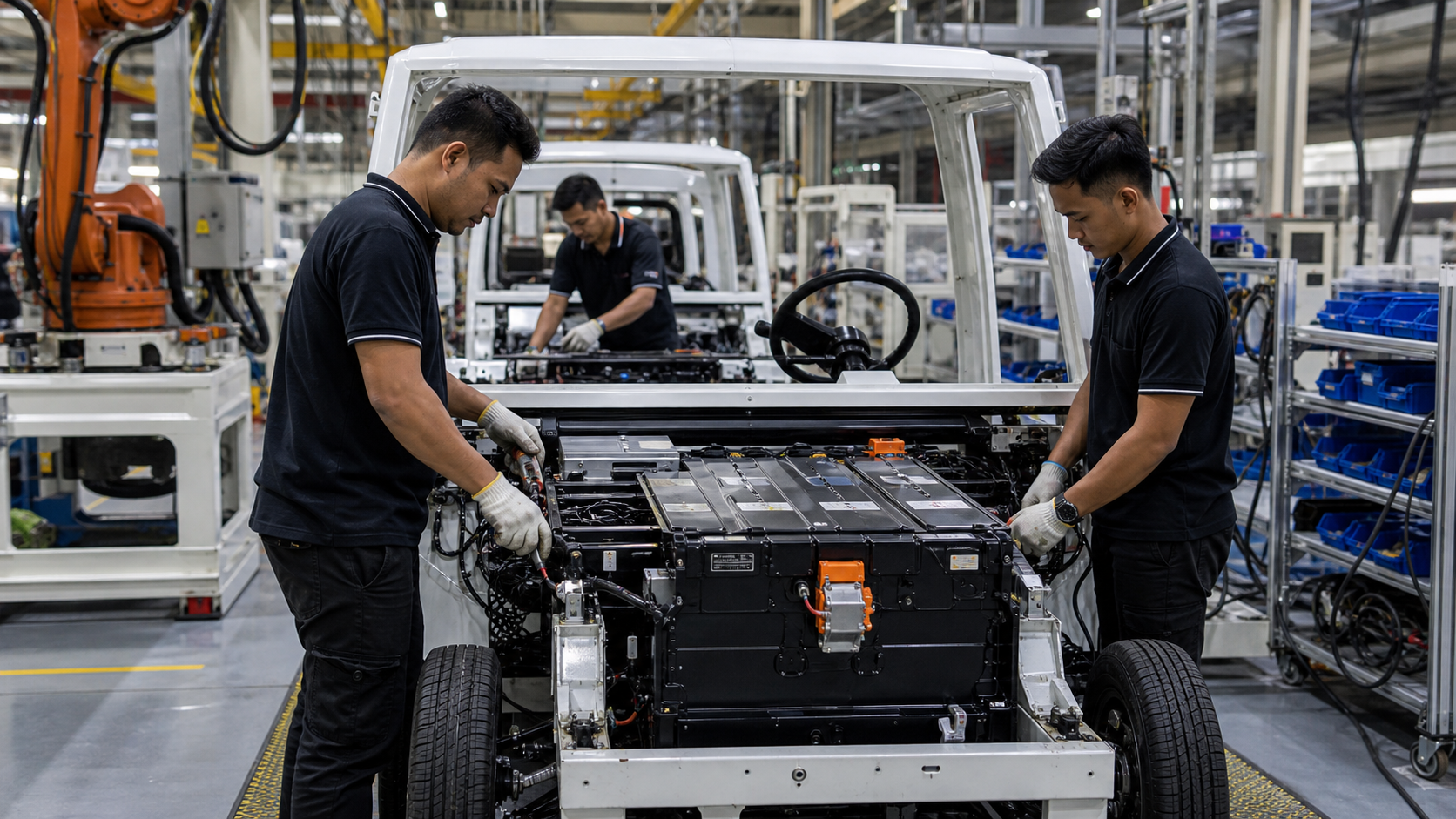
The Philippines Department of Finance welcomed an executive order that it says will help local electric-vehicle manufacturing. The policy signal matters because Southeast Asian governments are competing to attract electric-vehicle assembly, battery supply-chain activity and related manufacturing investment.

The Philippines Department of Finance said PHP205 million in proceeds from the sale of forfeited luxury vehicles was turned over to the government. The business relevance is in enforcement and asset-recovery execution. Faster conversion of seized assets into public revenue can affect customs discipline, auction-market confidence and fiscal administration.
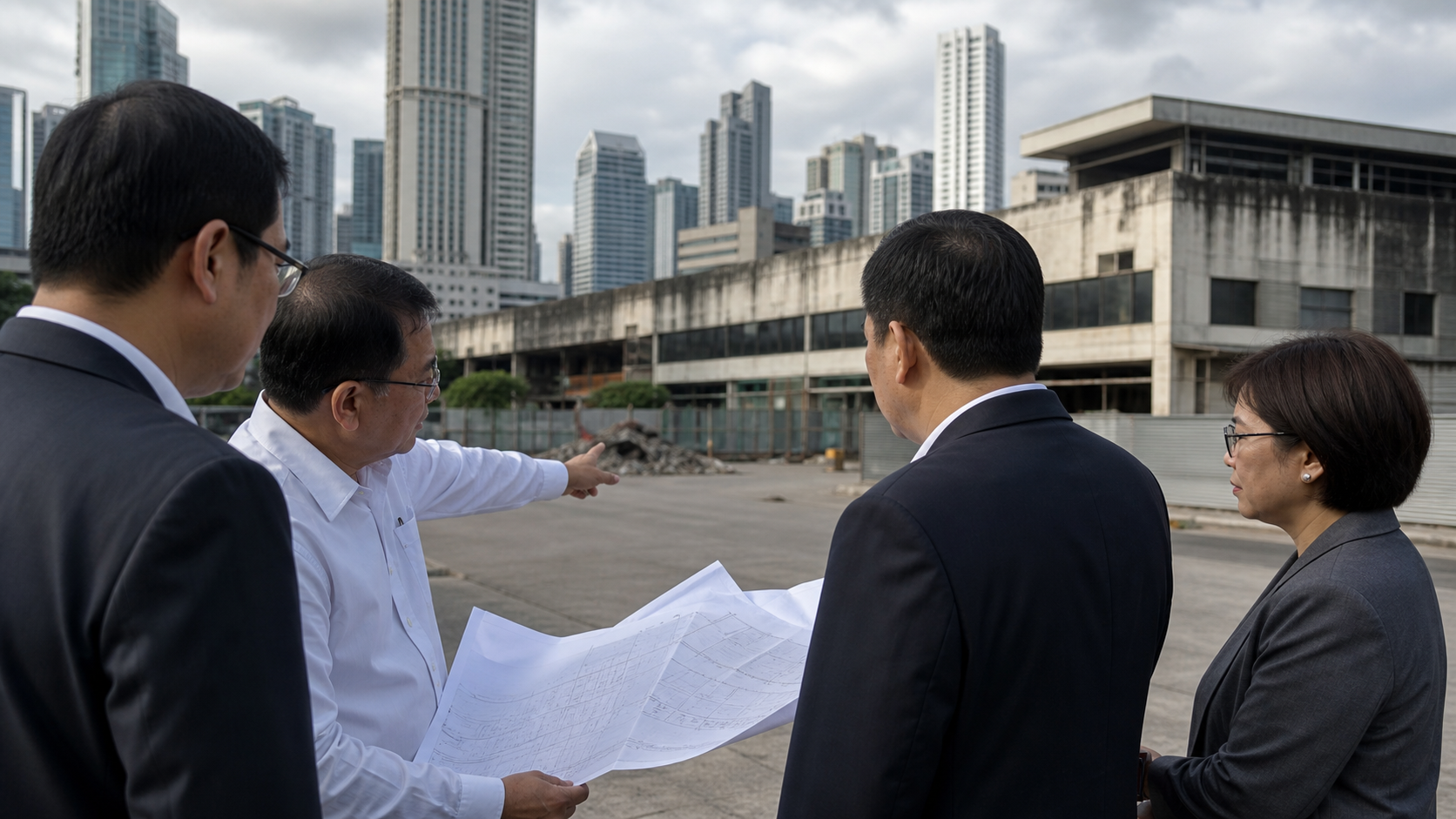
The Philippines Department of Finance said it completed the sale of a Makati property for PHP1 billion, adding revenue for national development programmes. For business readers, the item is less about a single property and more about how government asset sales can affect fiscal space, urban land use and investor expectations around public balance-sheet management.

Cialfo has explained how its Direct Apply workflow is designed to help school counsellors manage university applications through the company’s platform. The update is relevant to Singapore’s education-technology market because counsellors, schools and universities all face pressure to reduce administrative work while improving student access to overseas and regional institutions.
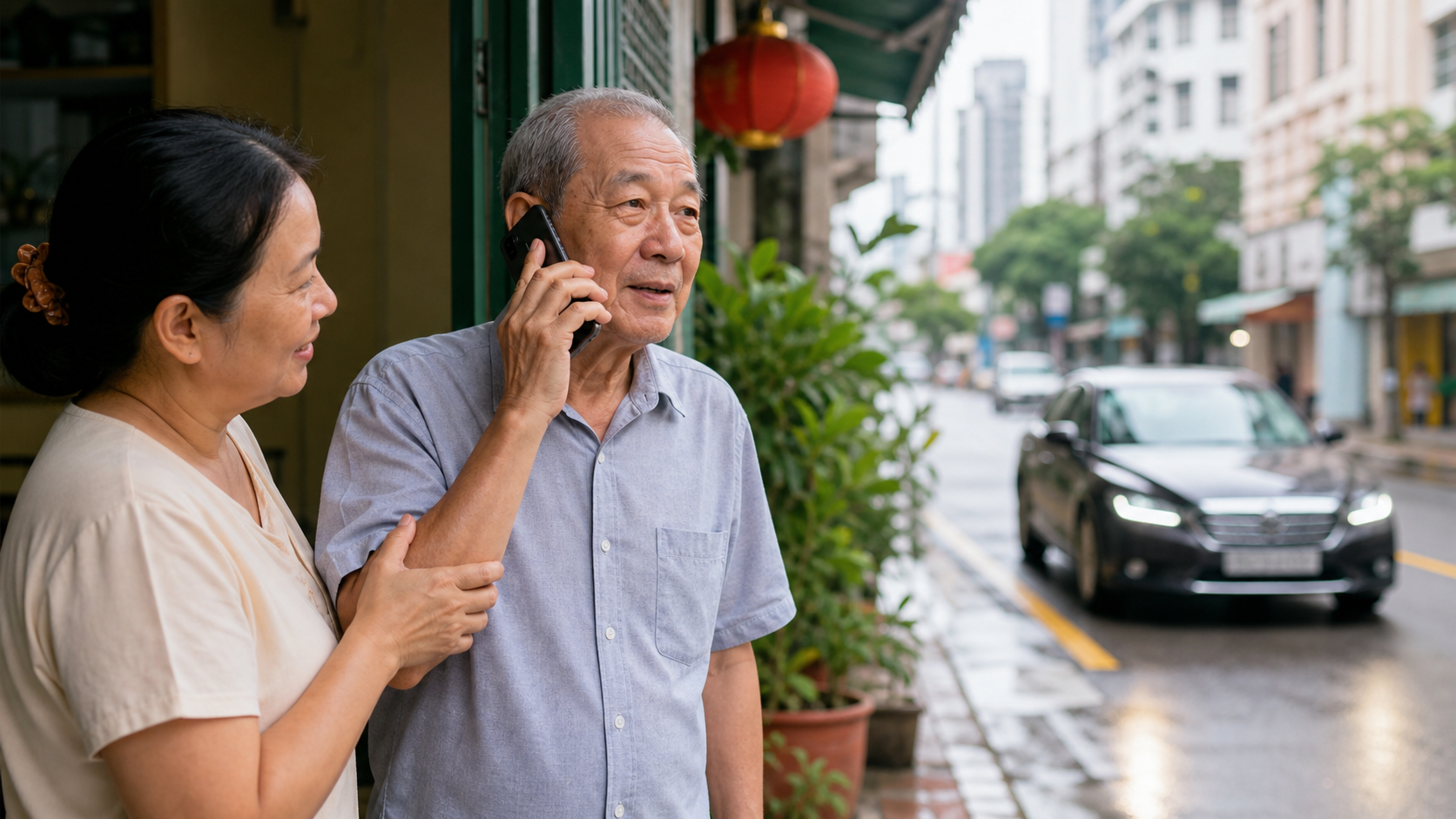
Grab is piloting AI Call-A-Ride, a phone-based booking service intended to help seniors arrange rides without navigating the full app experience. The pilot is commercially relevant because Southeast Asia’s digital services still need offline or assisted channels for older users, lower-confidence app users and families arranging transport for them.

Grab said second-quarter 2026 revenue rose 22% year on year to US$997 million, lifted its full-year guidance and announced a US$750 million share repurchase programme. For Southeast Asian business readers, the update matters because Grab is a regional consumer platform whose mobility, delivery and financial-services activity can signal demand conditions across multiple urban markets.

Singapore’s regulated exchange says Canton could limit who sees transaction data. It has not announced a live product, customer or trading volume.
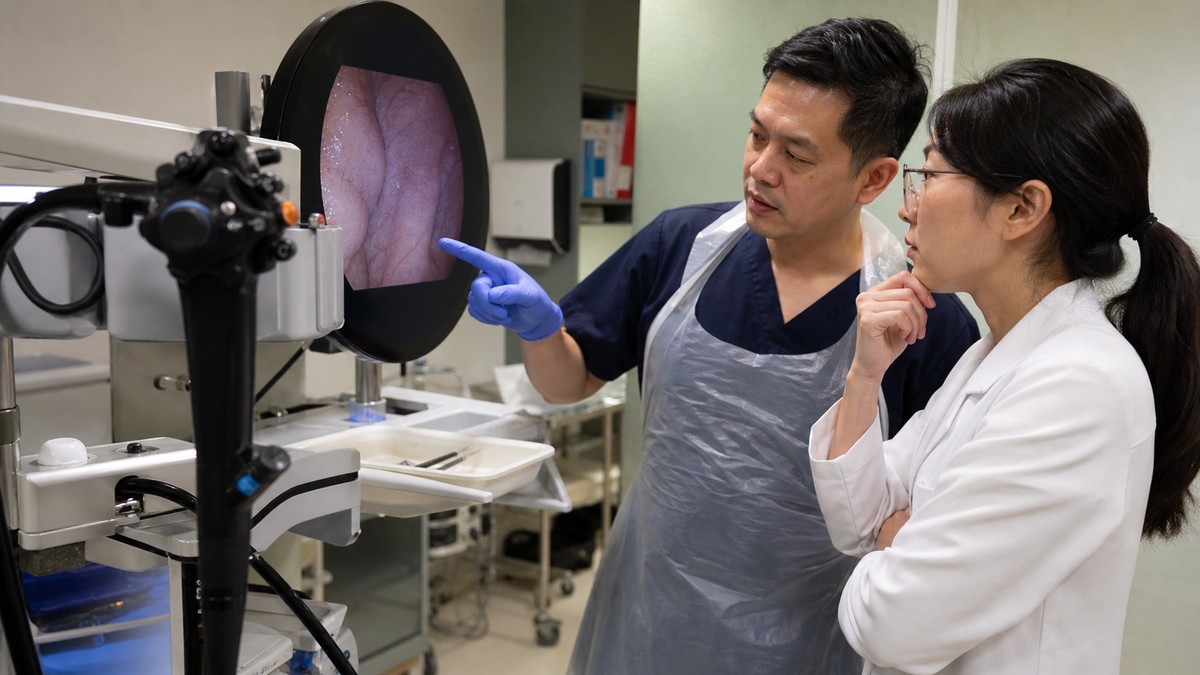
The Singapore hospital plans to study software that flags suspicious tissue during endoscopies. Buyers should watch whether research leads to routine clinical use.

The Singapore payments company has begun checking activity on Canton. Buyers still need evidence on live use, resilience and legal responsibility.
The lender’s unaudited figures show more loans and a positive operating result before currency effects and tax. Credit quality remains the key missing proof.

Arctic Wolf’s 2026 AI and cybersecurity report gives Singapore cyber buyers a trust-and-control question around agentic AI, managed services and operational accountability.
Eftsure’s Singapore expansion points to payment verification becoming a procurement and treasury infrastructure issue for regional finance teams.
Grab’s second-quarter update puts lending, digital banking and merchant finance closer to the centre of Southeast Asia’s platform-finance story.

HDBank’s first-half profit growth keeps attention on Vietnam banking scale, digital adoption and SME-finance capacity.

OCBC and ZGC International are targeting Chinese technology companies expanding into ASEAN, putting banking support into the regional market-entry story.
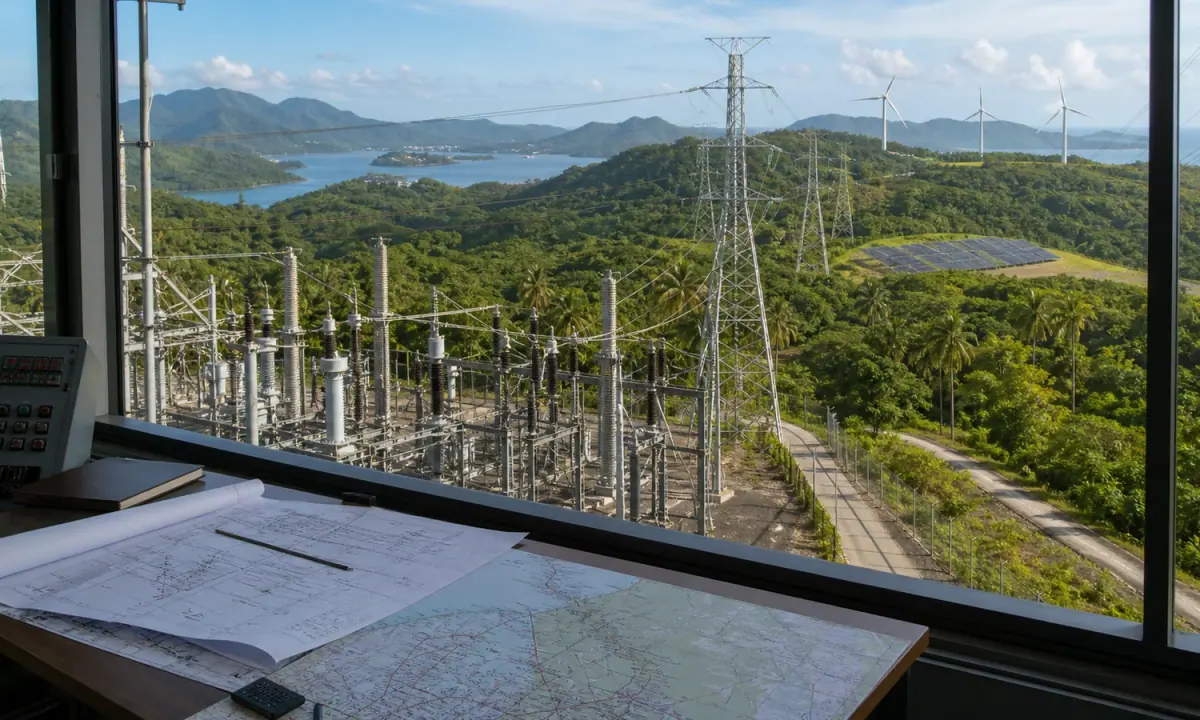
PCG Global’s pre-Series A financing is a regional energy-transition funding signal for Southeast Asia’s renewable-energy infrastructure market.
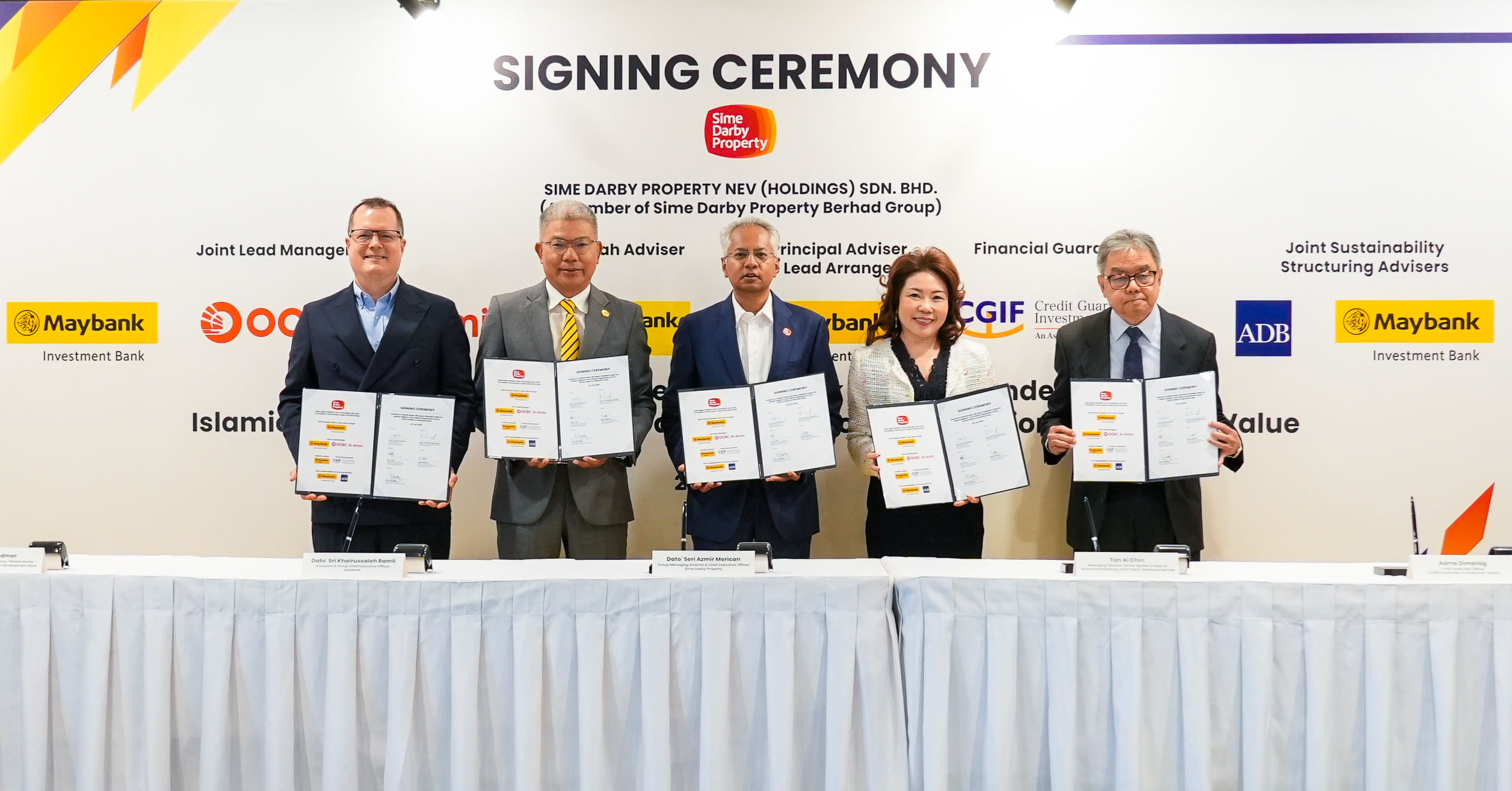
A long-term technology-company lease gives the RM2.6 billion programme more commercial substance than a speculative data-centre capacity announcement.
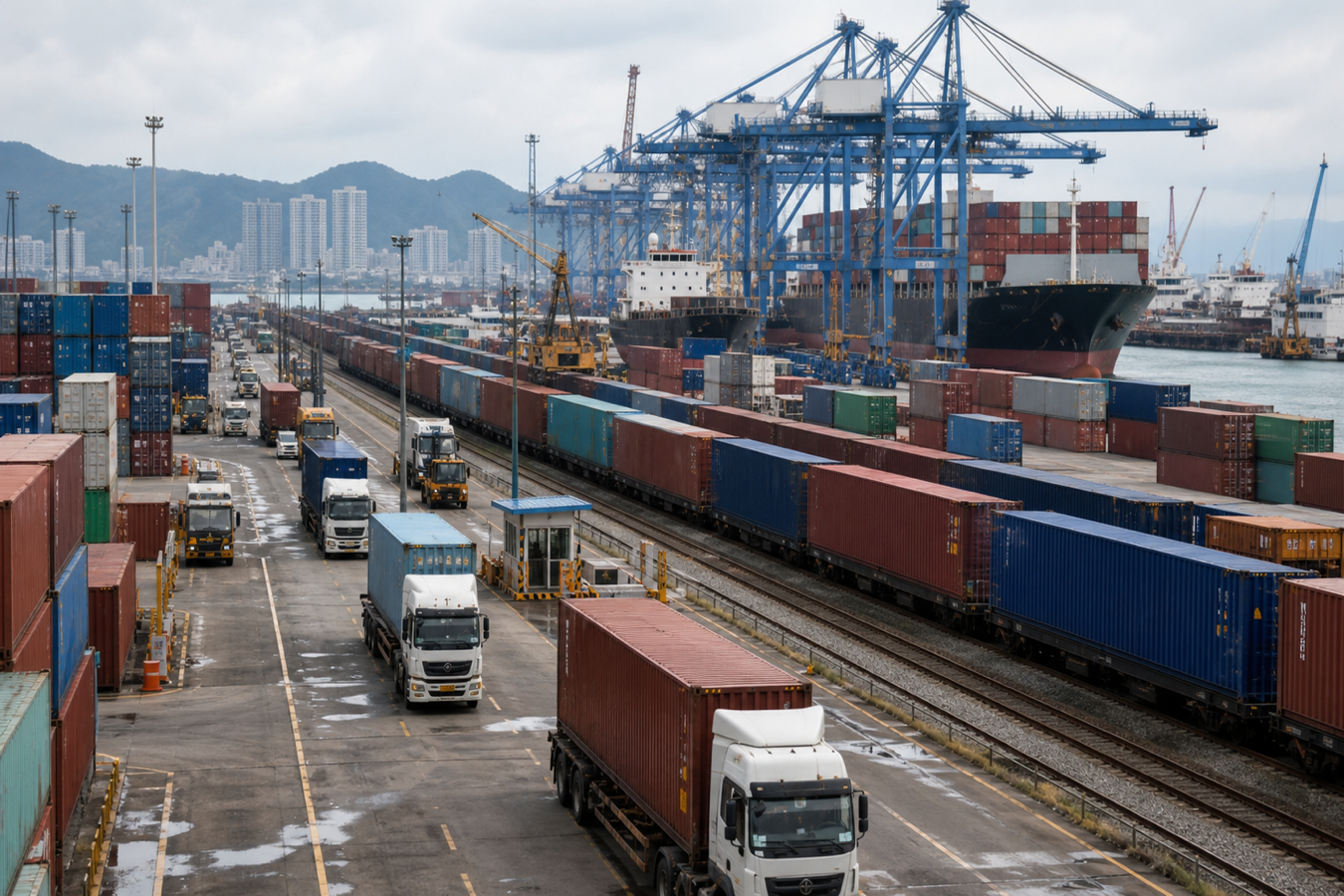
The headline financing capacity is substantial, but projects will move only when Indonesian sponsors, UK suppliers and public authorities convert it into bankable procurement packages.

Bitdeer Technologies Group said it will release second-quarter 2026 results on August 10 before hosting a webcast and conference call, where management plans to review unaudited financial and operating performance for the quarter ended June 30 and take questions.
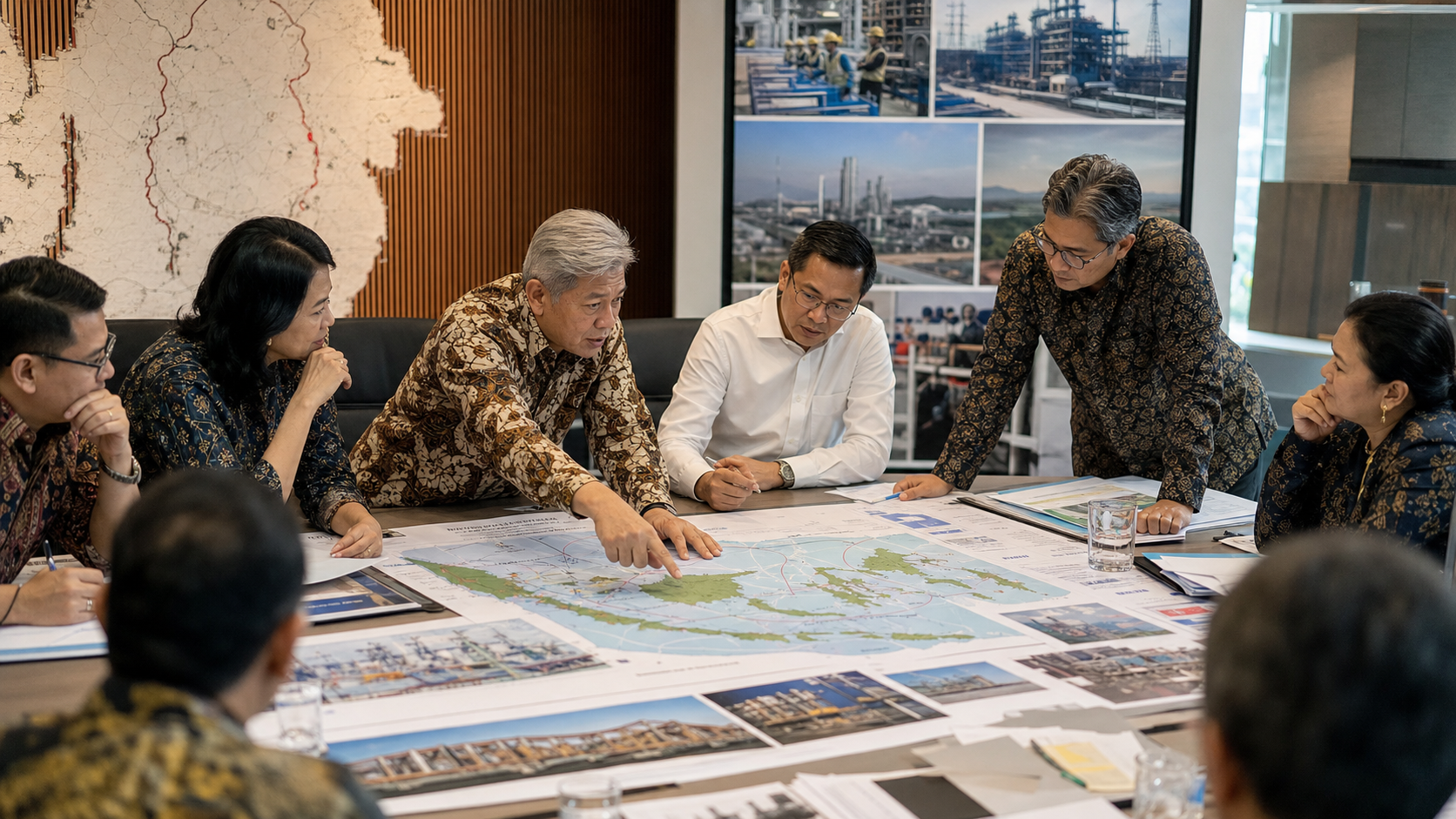
Indonesia’s chamber of commerce is putting private investment, exports and business coordination at the centre of the country’s effort to lift long-term growth.

Temus has taken a strategic stake in Thinking Machines Data Science, creating a regional enterprise-AI delivery combination spanning Manila, Singapore and Bangkok.
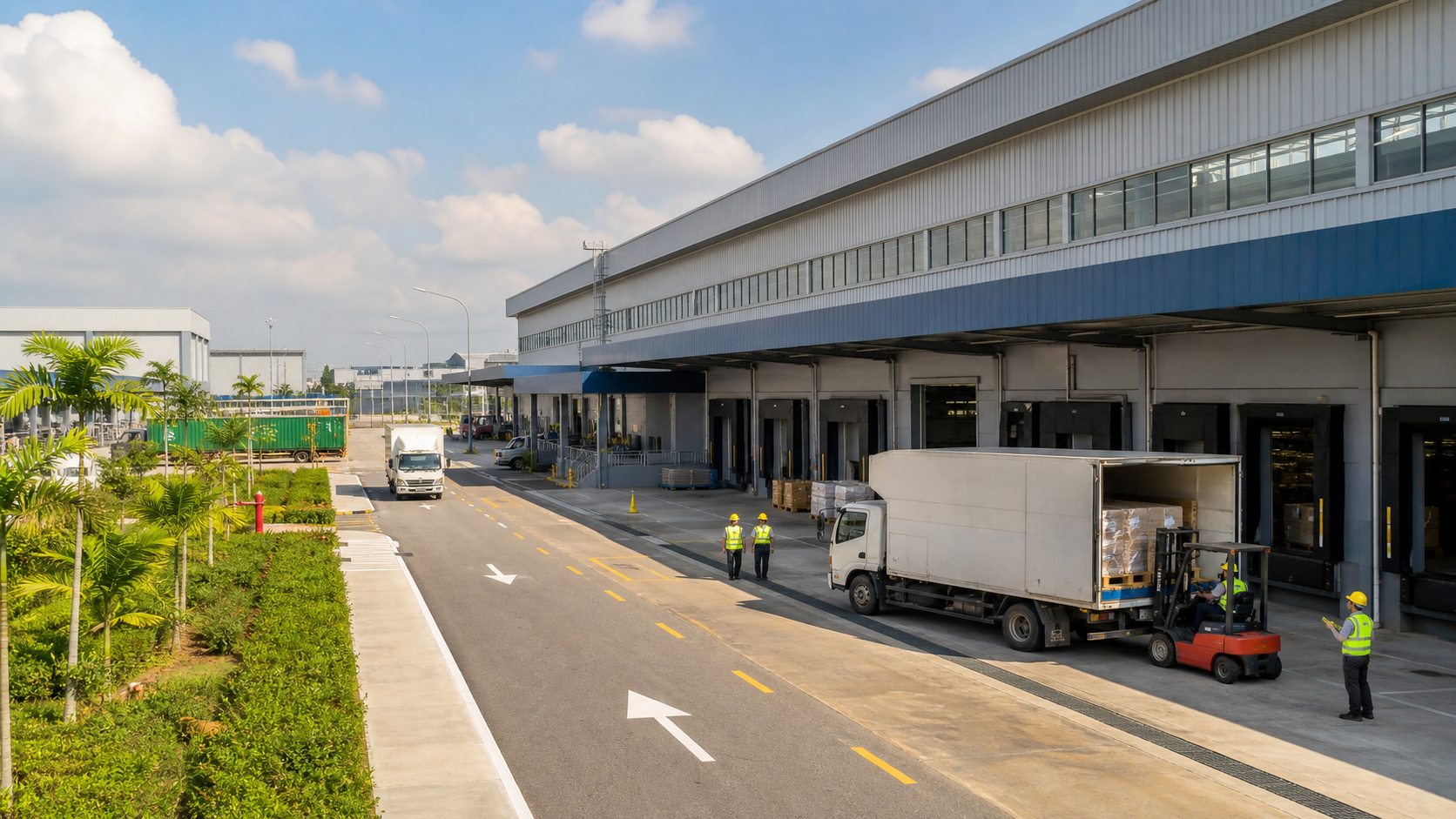
FIC Global says agreements involving AME Elite and JTC will connect manufacturing growth in Johor with Singapore operations under a wider ASEAN expansion strategy.

Coordinating Minister for Food Zulkifli Hasan said the government is trying to lift fishermen’s welfare from an NTN of 103 to 120 through Red and White Fishermen’s Village development in West Nusa Tenggara, integrated facilities, and cooperative-linked marketing.
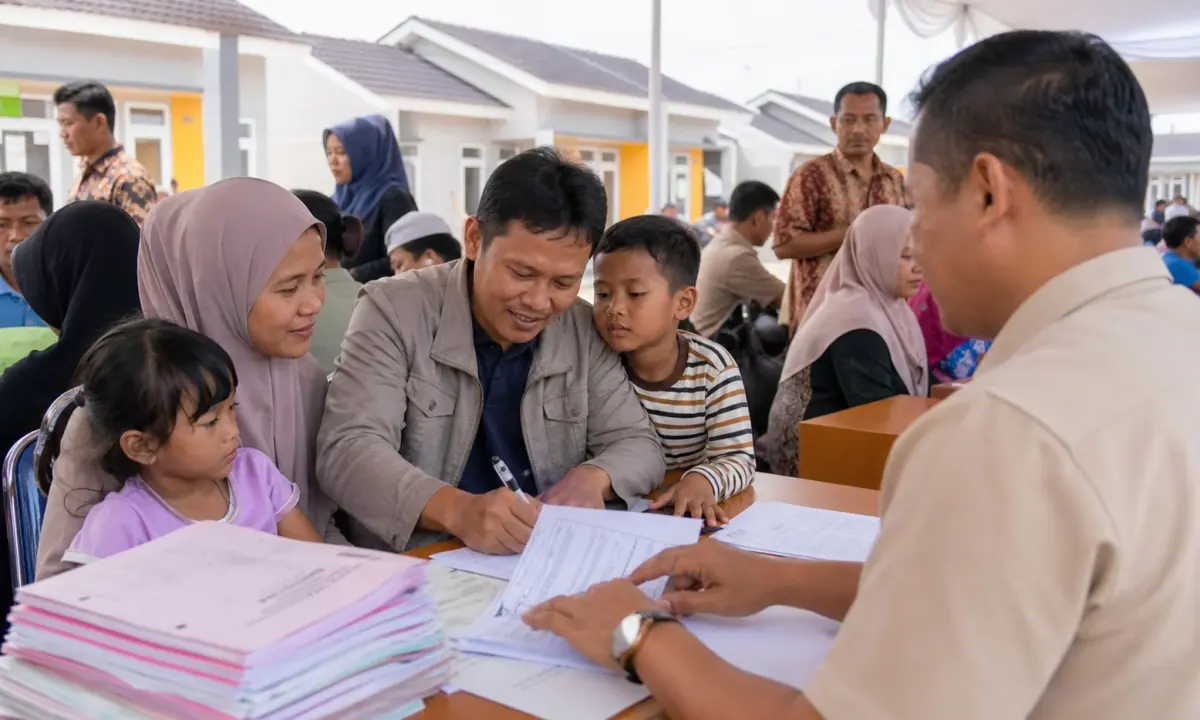
Indonesia’s state investment entity says it will restructure financially stressed state-owned property companies, address debts and impairments, then pool unsold inventory for joint marketing with lower-cost mortgage support from state banks.
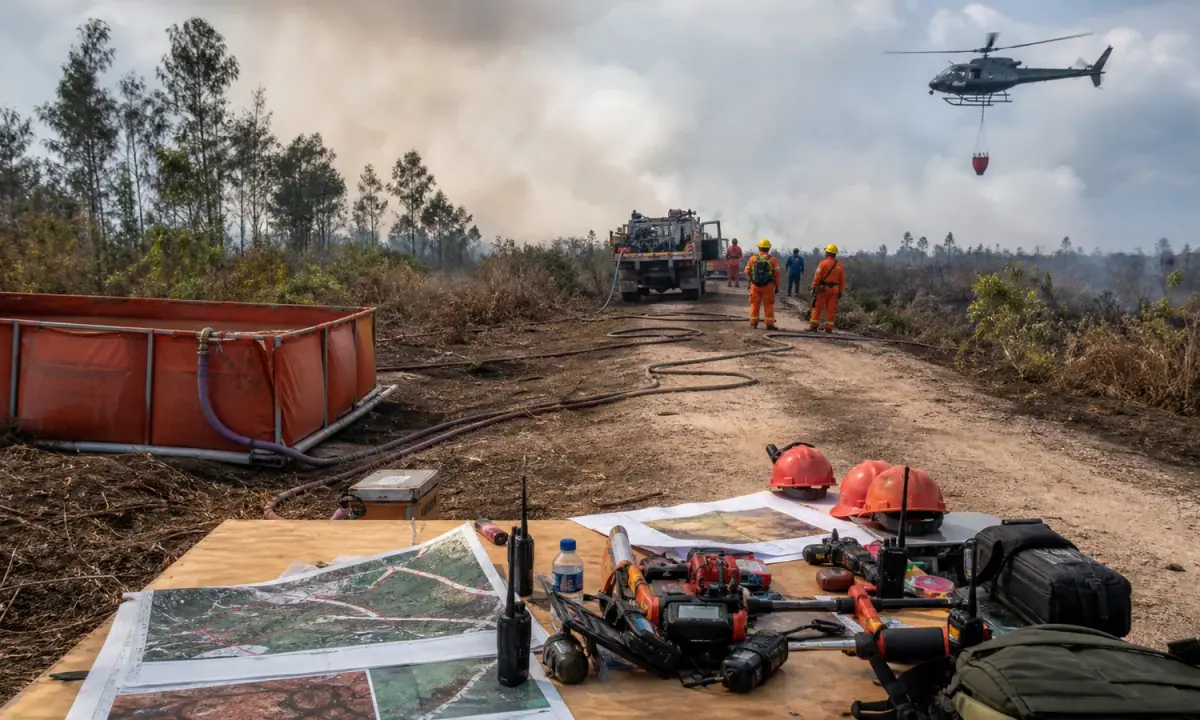
BNPB is strengthening Central Kalimantan wildfire-response operations with land and air task forces, weather modification and emergency coordination ahead of the El Nino peak.

The government says it will study a Constitutional Court ruling that requires the free nutritious meals program to be moved out of the national education budget, with full separation mandated by the 2028 fiscal year.
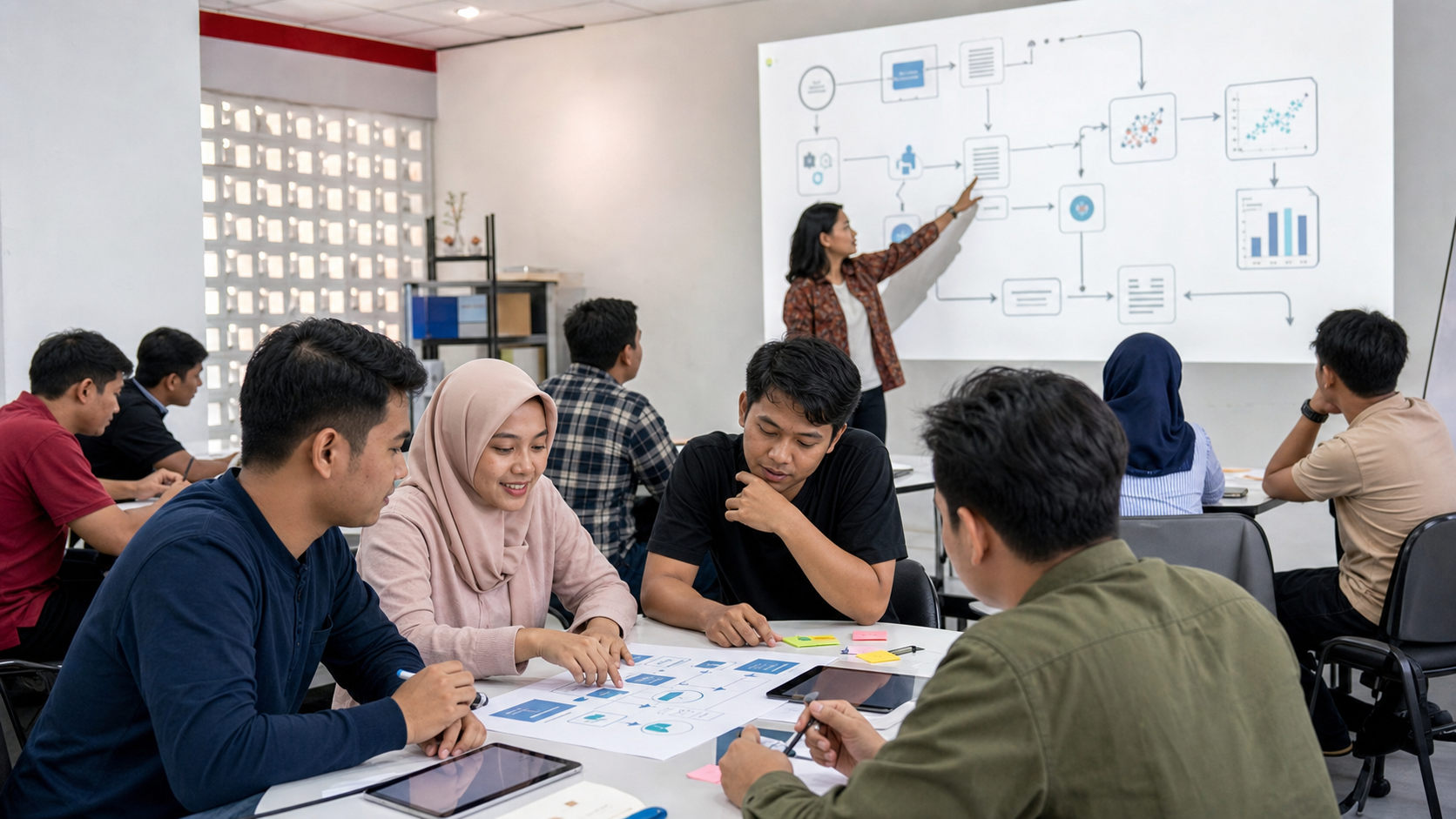
Indonesia is asking regional governments to connect youth spaces, adolescent support programmes and demographic planning to the Golden Indonesia 2045 human-capital agenda.
At a media briefing in Pangkalan Bun, BPDP official Zaid Burhan Ibrahim said community-managed plantations account for 41 percent of the national palm oil industry, produce more than 16 million tons annually, and support a value chain employing about 16.5 million people.
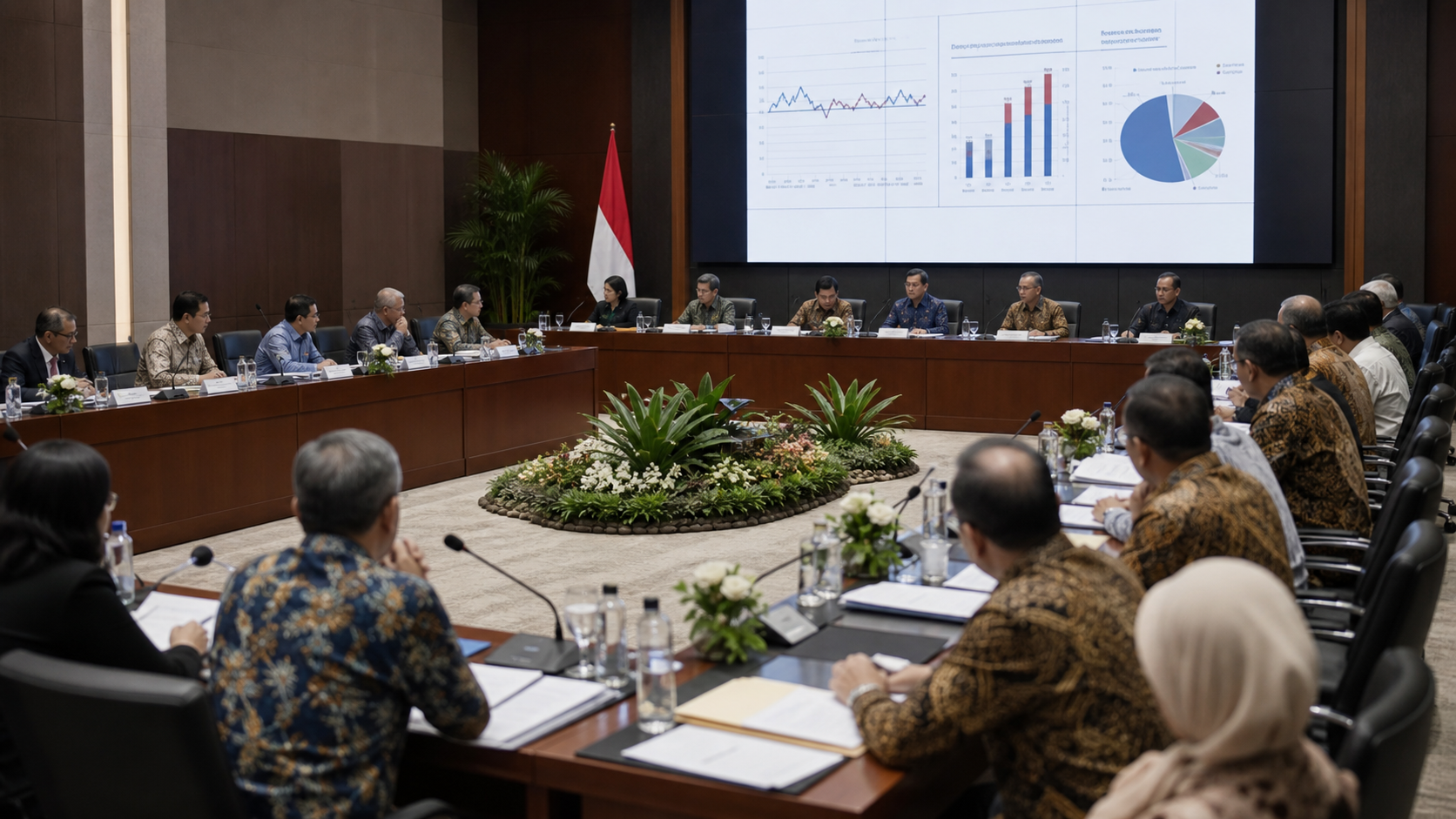
At a UK-Indonesia railway forum in Jakarta, His Majesty’s Trade Commissioner for Asia Pacific Martin Kent said UK Export Finance is ready to deploy up to £4 billion in financing for Indonesian development projects, with rail positioned as a major area of cooperation.
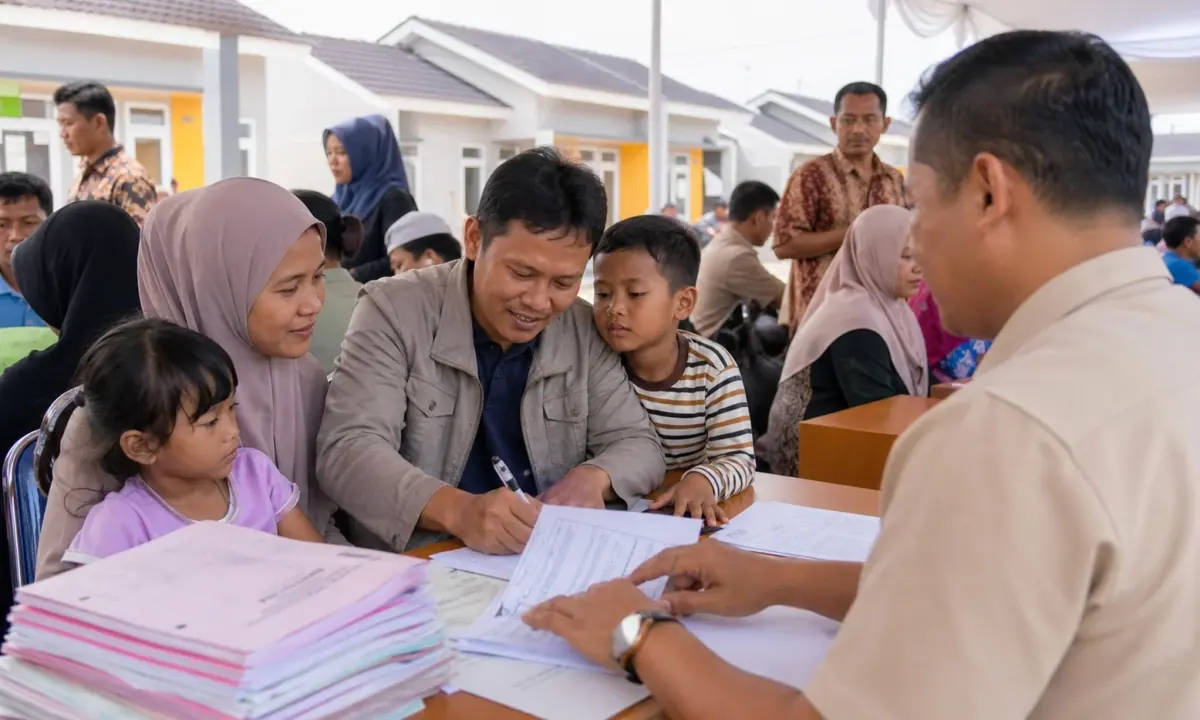
Indonesia’s latest FLPP mass mortgage signing shows the scale of subsidised housing-finance rails, with 62,710 households and 43 distributing banks involved.
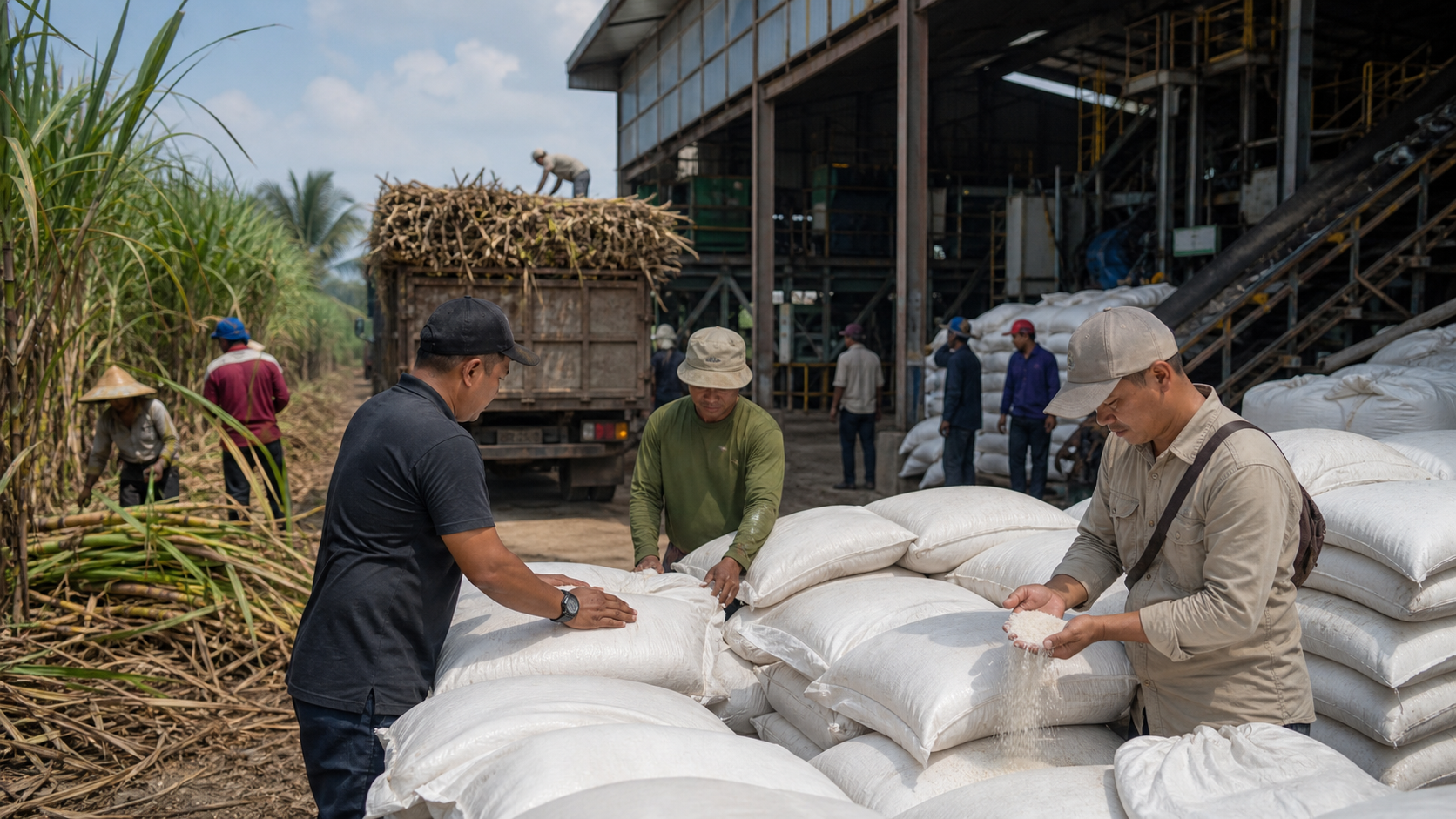
Agriculture Minister Andi Amran Sulaiman said the government will enforce rules requiring sugar processors and importers to develop domestic plantations as refined sugar imports depress local prices and hurt farmers and state-owned producers.
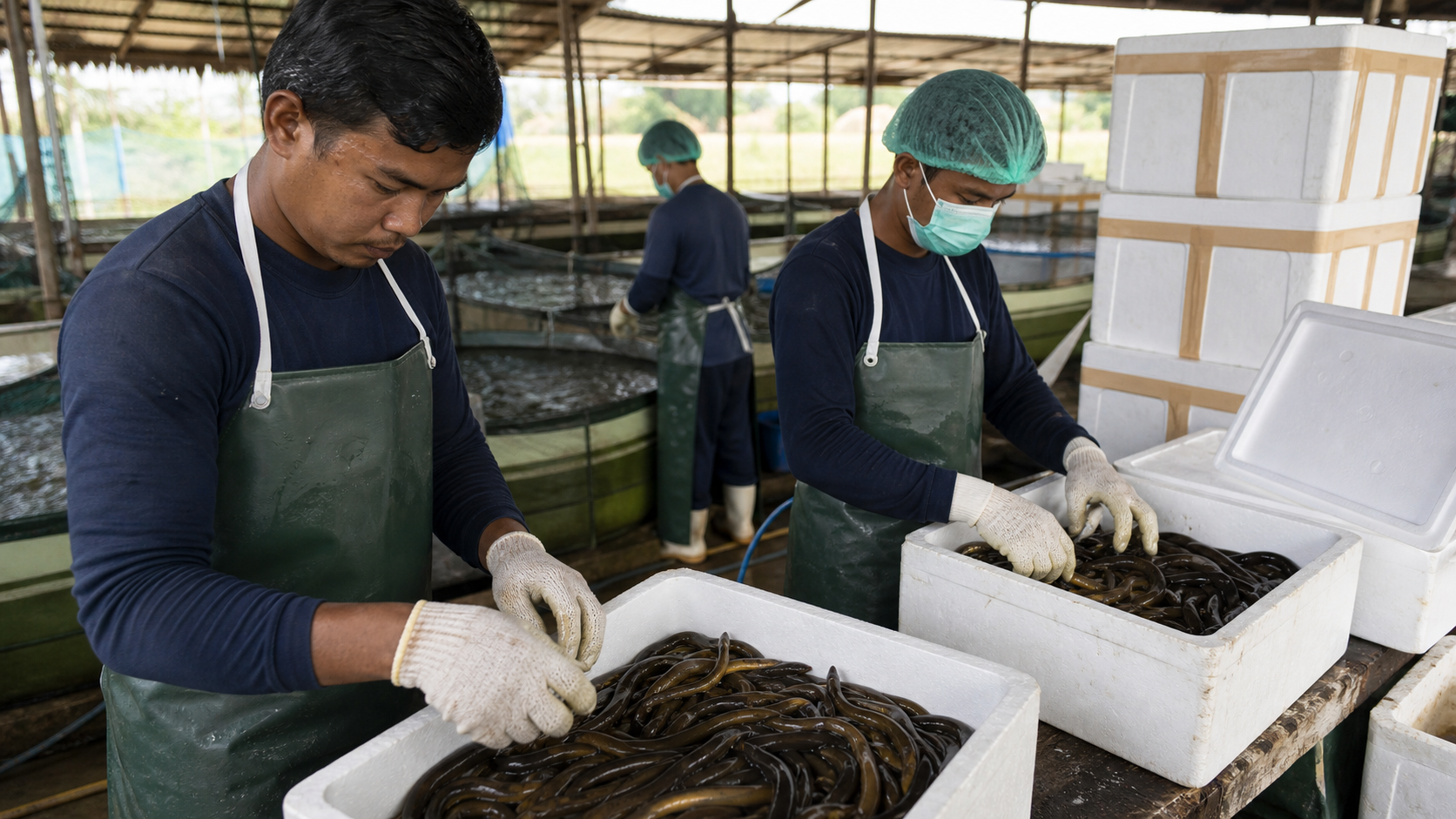
Mutual recognition of Indonesia’s fisheries certification gives South Kalimantan processors access to China, showing how standards alignment can unlock cross-border growth.
The ministry said Permendag No. 20/2026 is intended to keep Minyakita and other packaged cooking oil available in domestic markets even as recorded DMO realization declined.

The company said the paper outlines security architecture, data protection, compliance frameworks, and operational controls for TiDB Cloud on Alibaba Cloud.
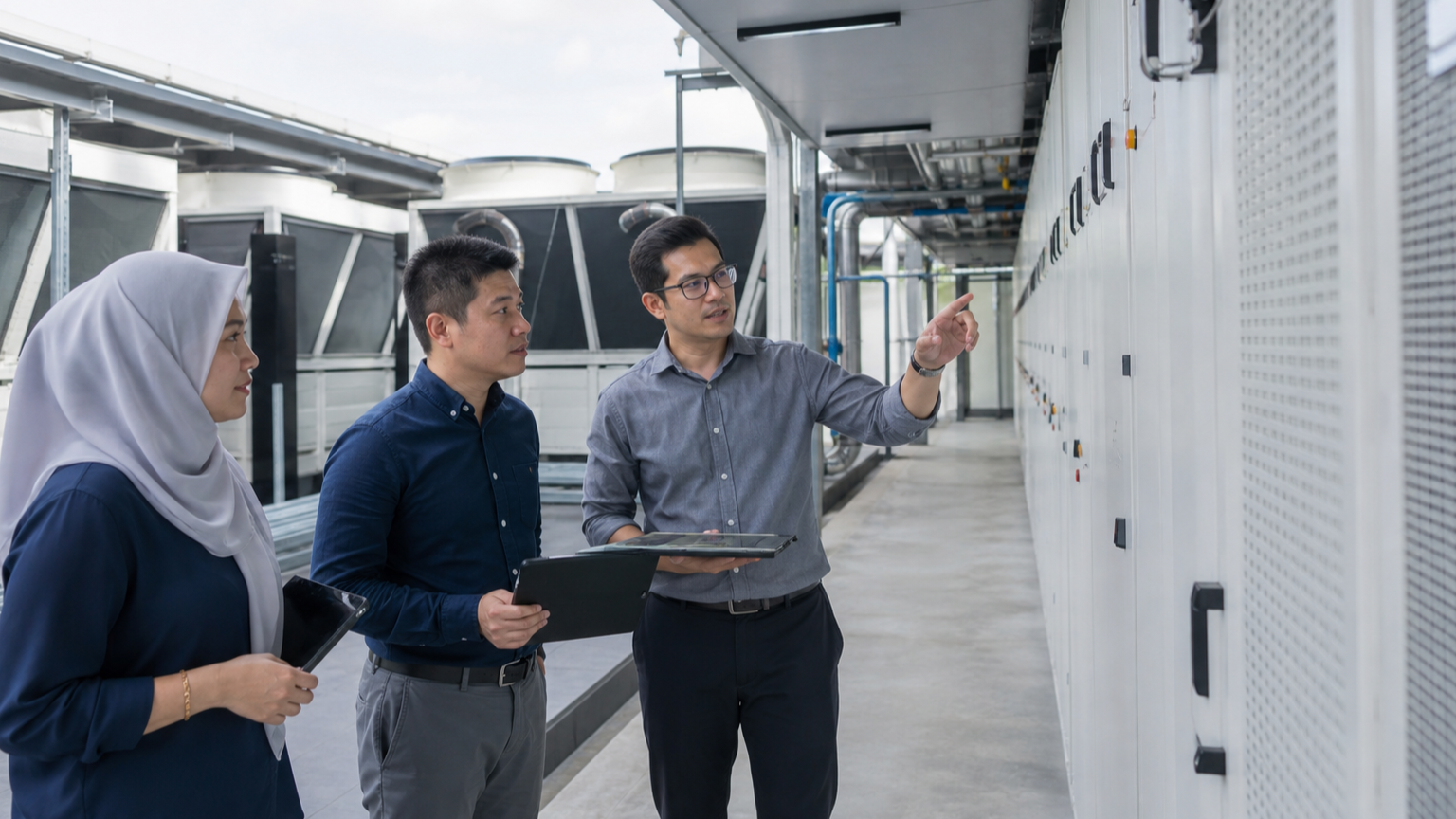
Delta Electronics said it officially opened a new office in Johor Bahru to expand its Malaysia presence and will host Delta Future Forward 2026 in Kuala Lumpur on July 30.
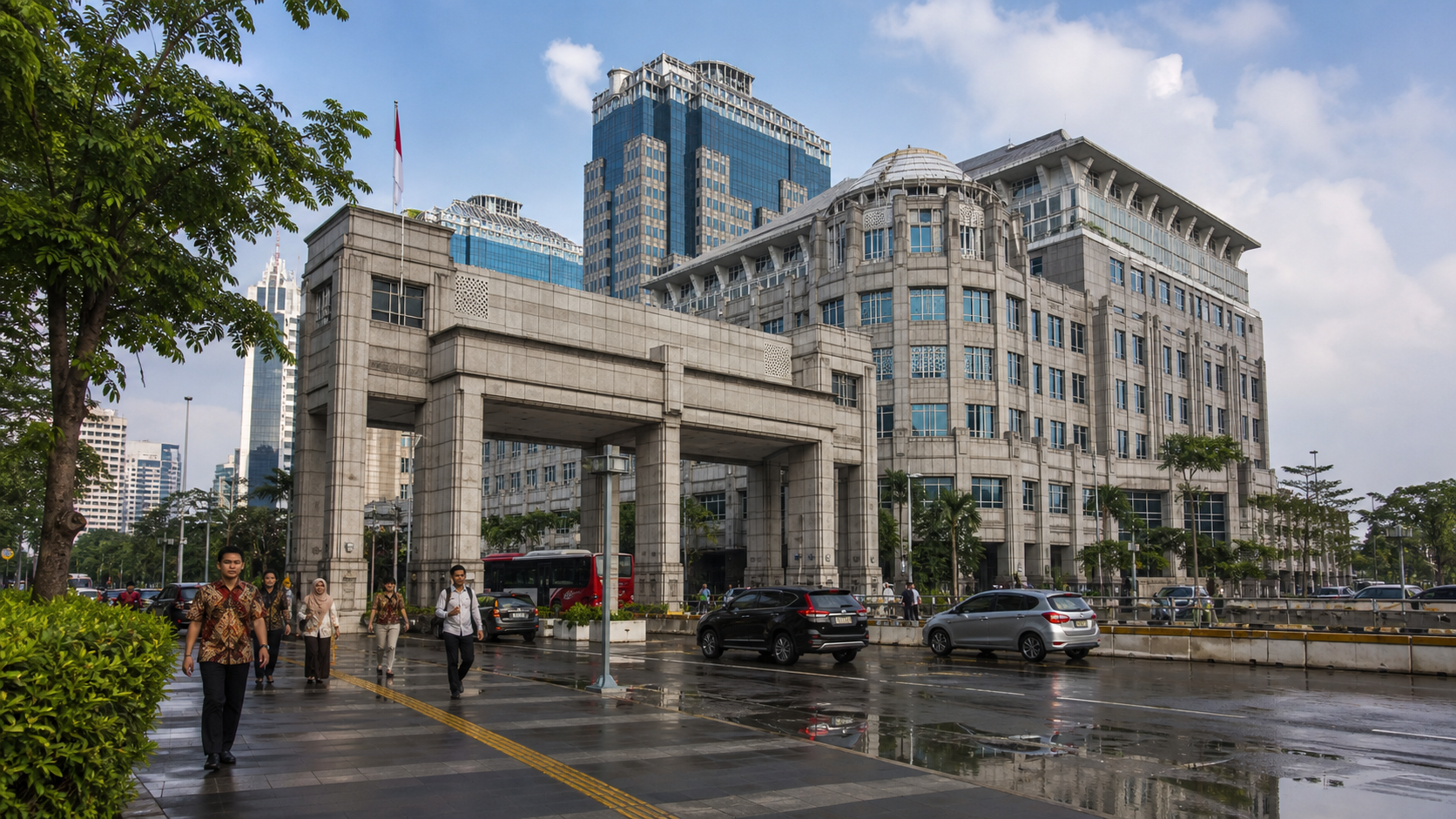
KSSK said financial and monetary policies will remain solid and market-friendly during Bank Indonesia’s leadership transition, while Destry Damayanti serves as acting governor under existing law.
Indonesia’s Manpower Ministry said it is working with Microsoft, Binus University and GreatNusa to expand AI-based and online job fairs, while strengthening artificial intelligence skills for job seekers.

Keppel said six operational rigs will be divested to Keppel Offshore Fund in 2026 for about S$1.2 billion, while four additional rigs may be progressively completed and divested from 2027 to 2028. The company said the transaction would add about S$3.9 billion to its Funds under Management, and Apollo-managed funds, accounts and entities have agreed to invest US$1.5 billion into the fund.
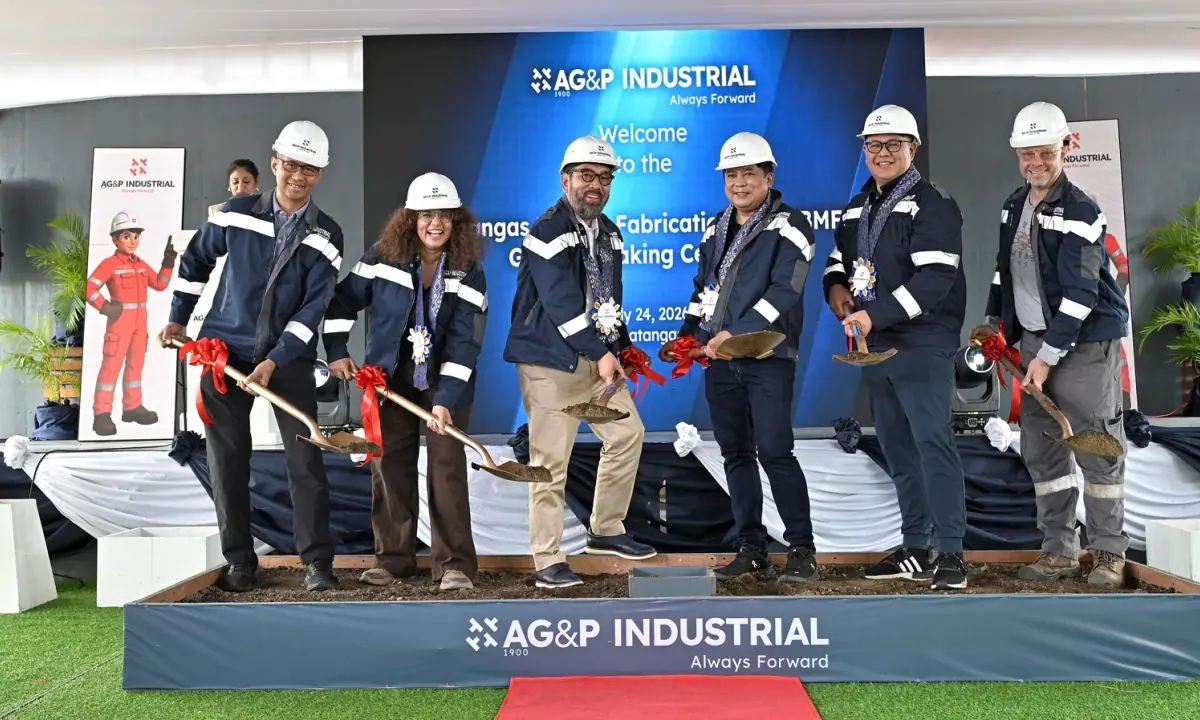
The project is commercially relevant because large regional infrastructure programmes need fabrication capacity, logistics access and execution partners, not only financing announcements.
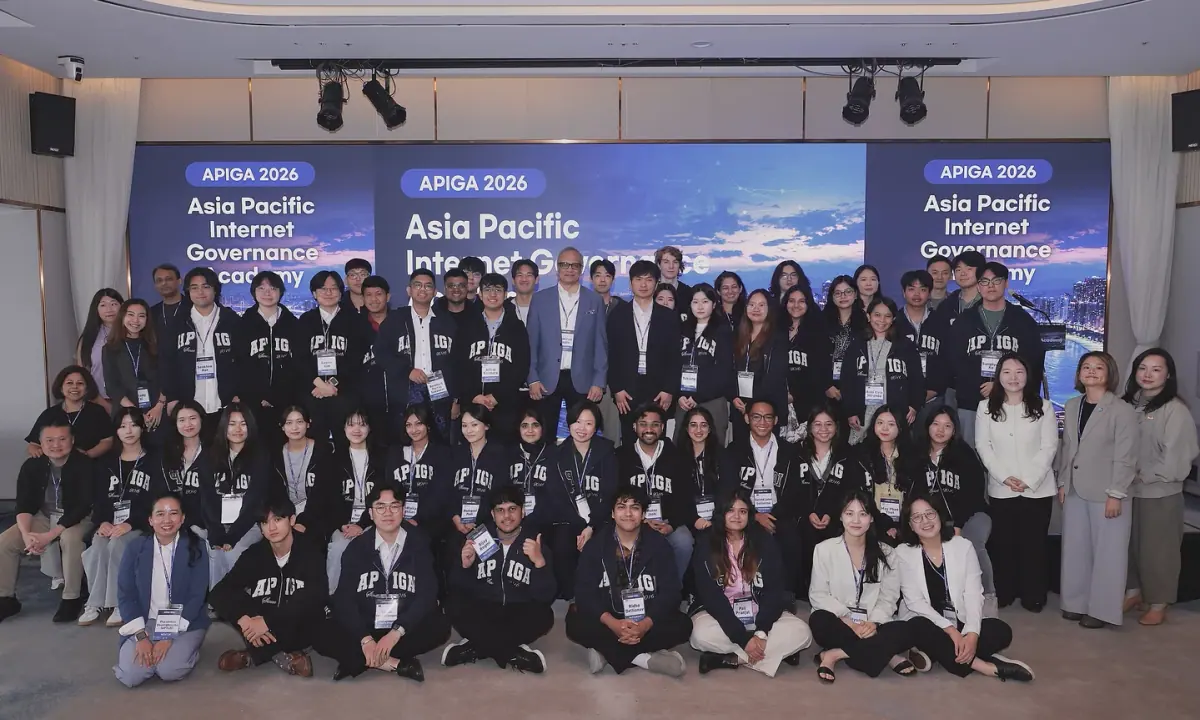
The milestone matters because digital-economy growth depends on people who understand internet governance, not only on infrastructure, platforms and regulation.

The programme points to a practical bottleneck in healthtech: startups need access to care settings, clinical workflows and operational buyers before innovation can move beyond pilot-stage claims.

The announcement is commercially relevant because AI startup formation is becoming a services, compliance and market-entry infrastructure story, not only a funding or model-development story.

The Hong Kong Trade Development Council said it is reorganising around six sector clusters and reconfiguring global resources to pursue high-growth emerging markets including Central Asia, the Middle East and North Africa.

Weichai used its Vietnam showcase to position battery, hybrid, fuel-cell, alternative-fuel and intelligent-driving routes for regional commercial-vehicle and industrial-equipment markets.
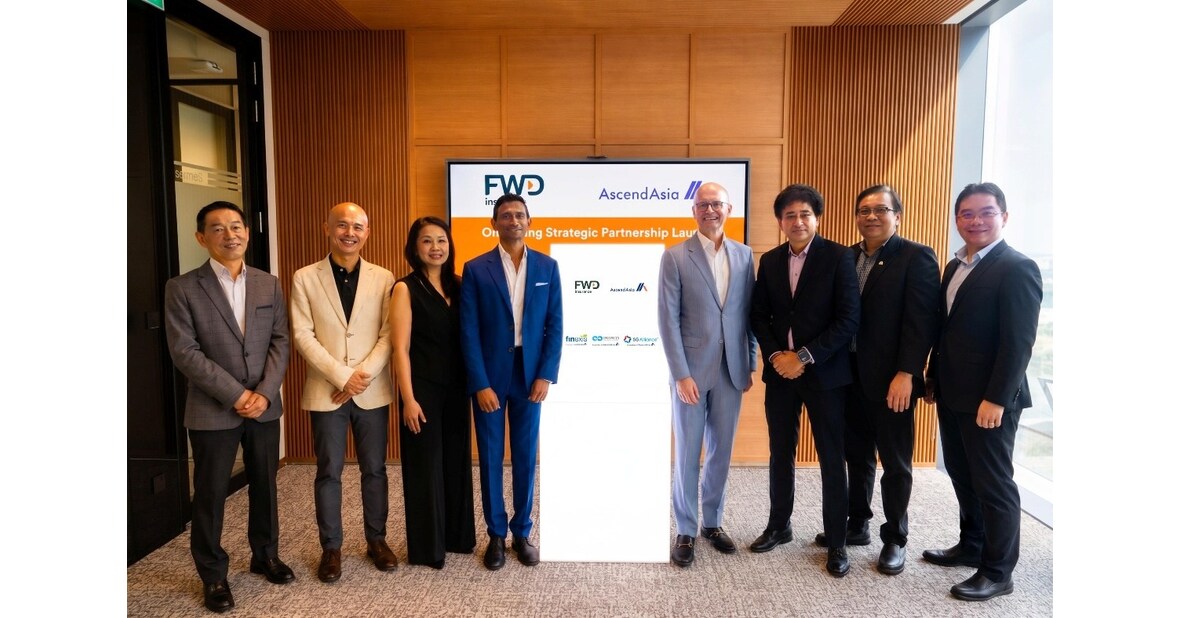
FWD Singapore and Ascend Asia announced a long-term strategic partnership to expand financial-advisory distribution in Singapore.
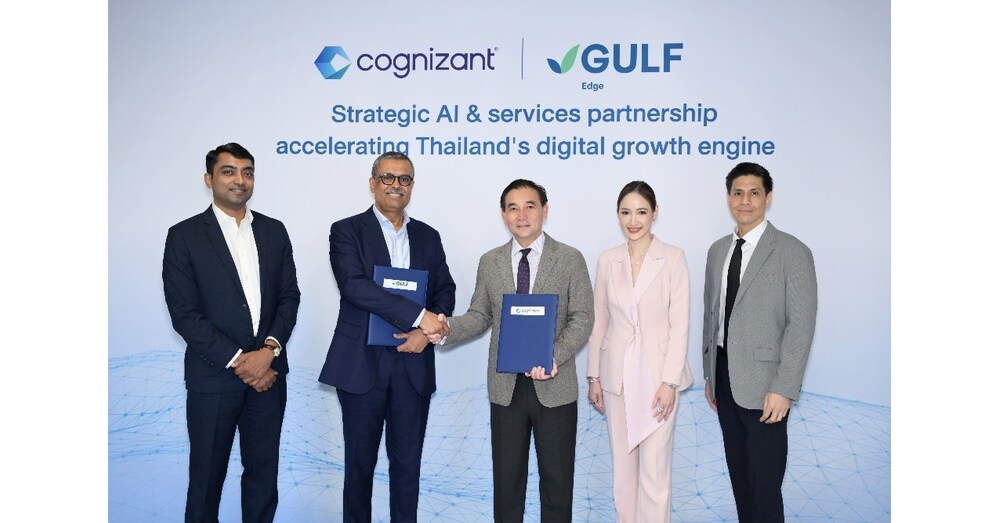
Cognizant and Gulf Edge announced a strategic partnership aimed at enterprise AI adoption in Thailand and Southeast Asia.

SuperX and Mercuria Asia announced a strategic partnership that connects AI data-centre growth with energy supply, power optimisation and infrastructure capital.
HKTDC is positioning its Kuala Lumpur programme as a commercial bridge for Malaysian companies looking at Hong Kong, the Greater Bay Area and wider regional expansion.

The update is best read as the published signal itself rather than a broader outcome claim.

The update matters because it turns a property-tax policy note into a practical reading on local fiscal flexibility.

The update matters because it shows a practical shift in how schools are handling counselling workflows, student matching and planning support.
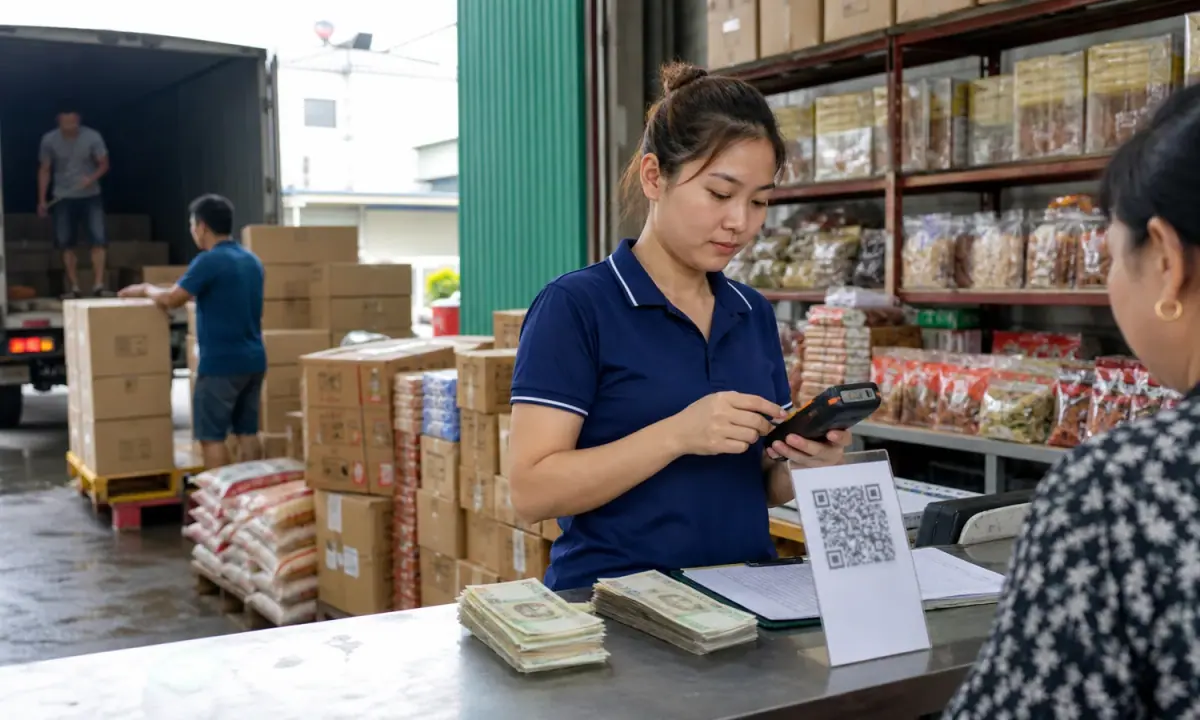
The practical angle is direct local payments infrastructure in Vietnam, not just regional ambition: M-DAQ says it can process local collection and payout flows in Vietnamese dong.

The useful angle is a Singapore-rooted fintech using a Hong Kong event to test cross-border finance positioning for companies expanding globally.

The useful signal is not the award itself; it is the way GXS frames digital banking around embedded finance, platform data and multi-market ASEAN reach.

The award is a creative-industry visibility update, strongest when read as a named recognition point rather than a market-wide performance story.
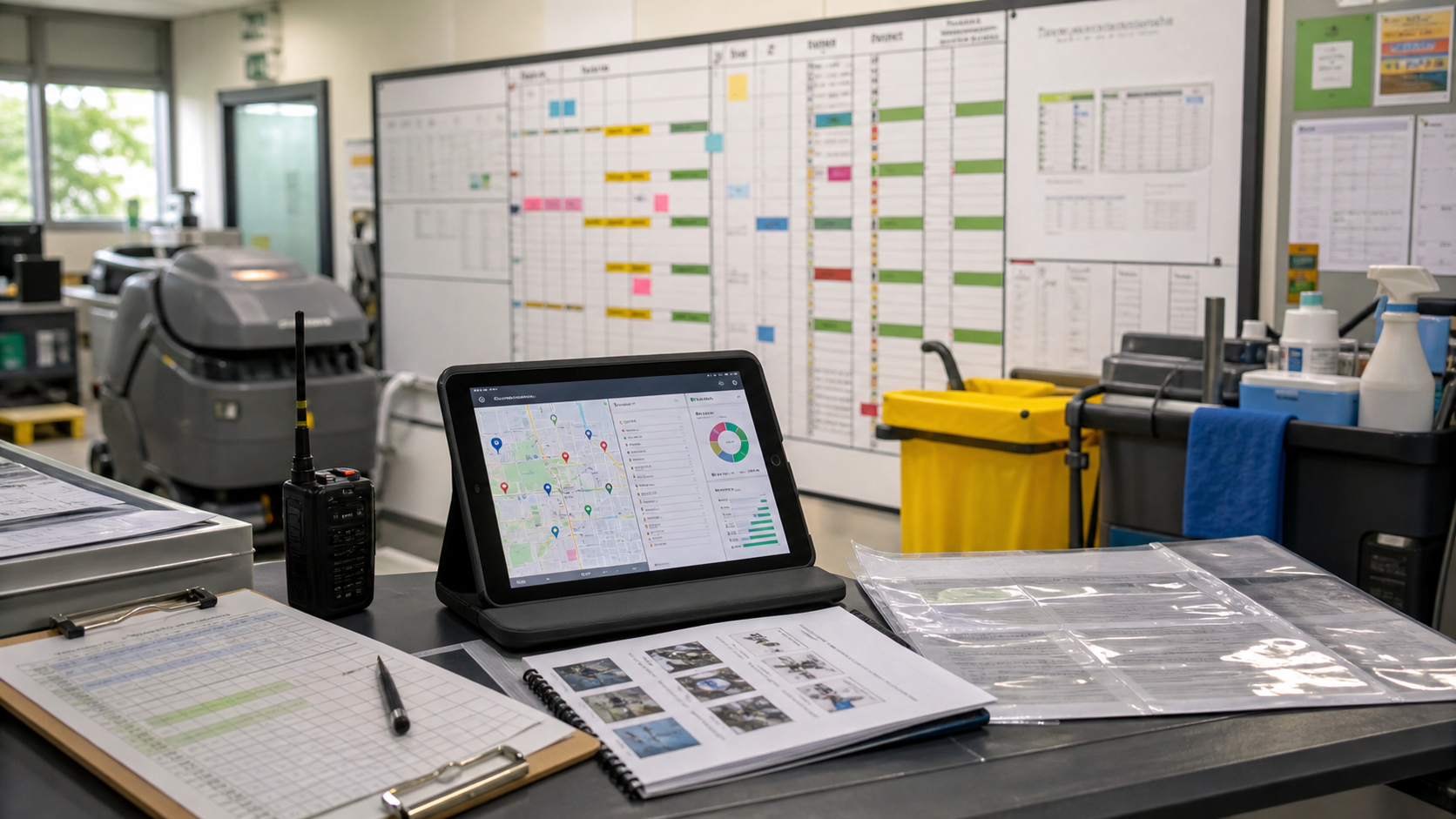
The refreshed plan is a sector digitalisation update that gives environmental-services operators a clearer public marker for AI and productivity support.

The update points to public-finance transparency work and gives operators a clearer public marker for tracking reform delivery.
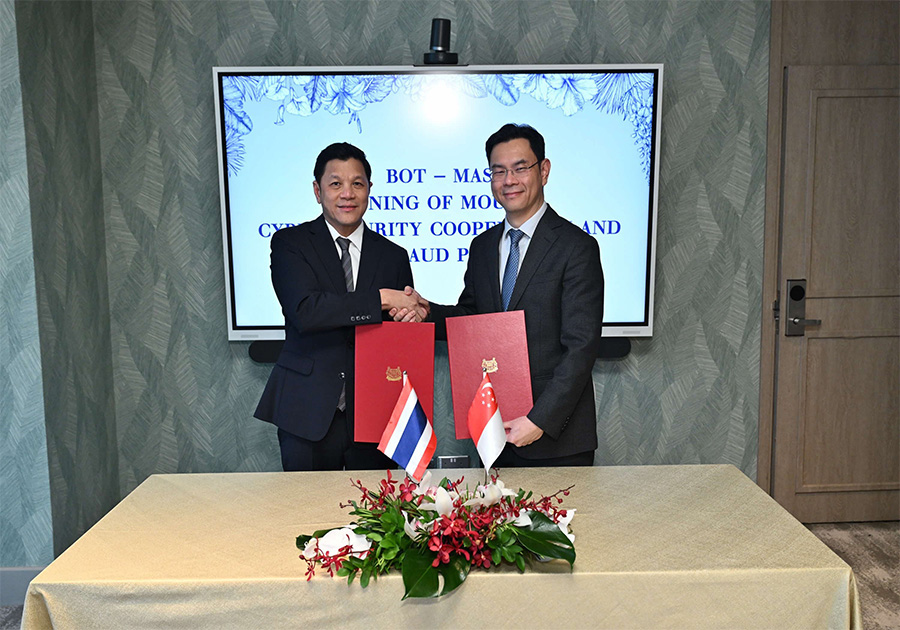
The Bank of Thailand and the Monetary Authority of Singapore said the agreement expands ongoing collaboration to strengthen cyber resilience and combat digital fraud in their financial sectors.

The useful angle is not the trophy; it is the way corporate banking competition is shifting toward transaction infrastructure, liquidity tools and AI-enabled services.

The deal is a private-capital signal for industrial technology: Southeast Asia-linked investors are looking beyond software into specialist equipment, services and critical-minerals supply chains.

The launch is a payments-market signal because it applies one premium-card architecture across five ASEAN banking markets.
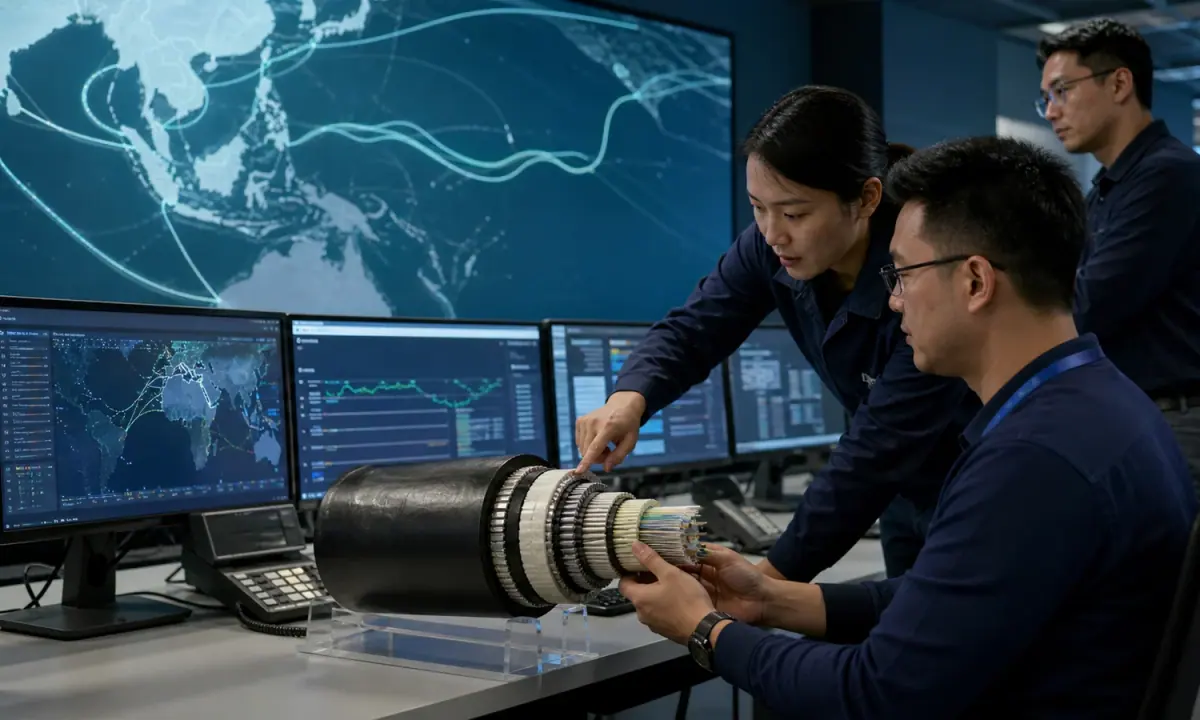
The launch is a regional infrastructure signal: AI workloads, cloud connectivity and cross-border enterprise expansion still depend on physical network capacity.

A direct acquiring partnership covering Malaysia, Singapore and the Philippines gives merchants a regional route to JCB acceptance across online and physical channels.
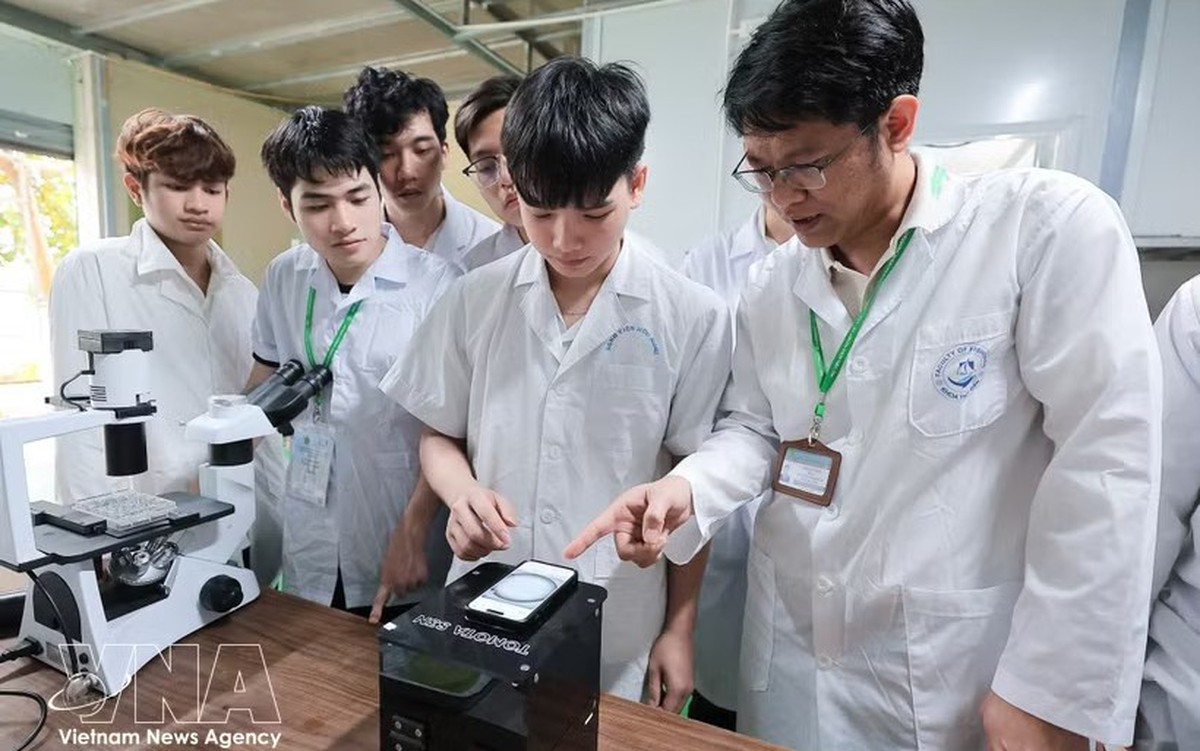
The article says Vietnam needs a national talent ecosystem to attract, develop and retain high-quality professionals, while ministries are drafting and refining policies to close current gaps in talent identification, mobility and deployment.
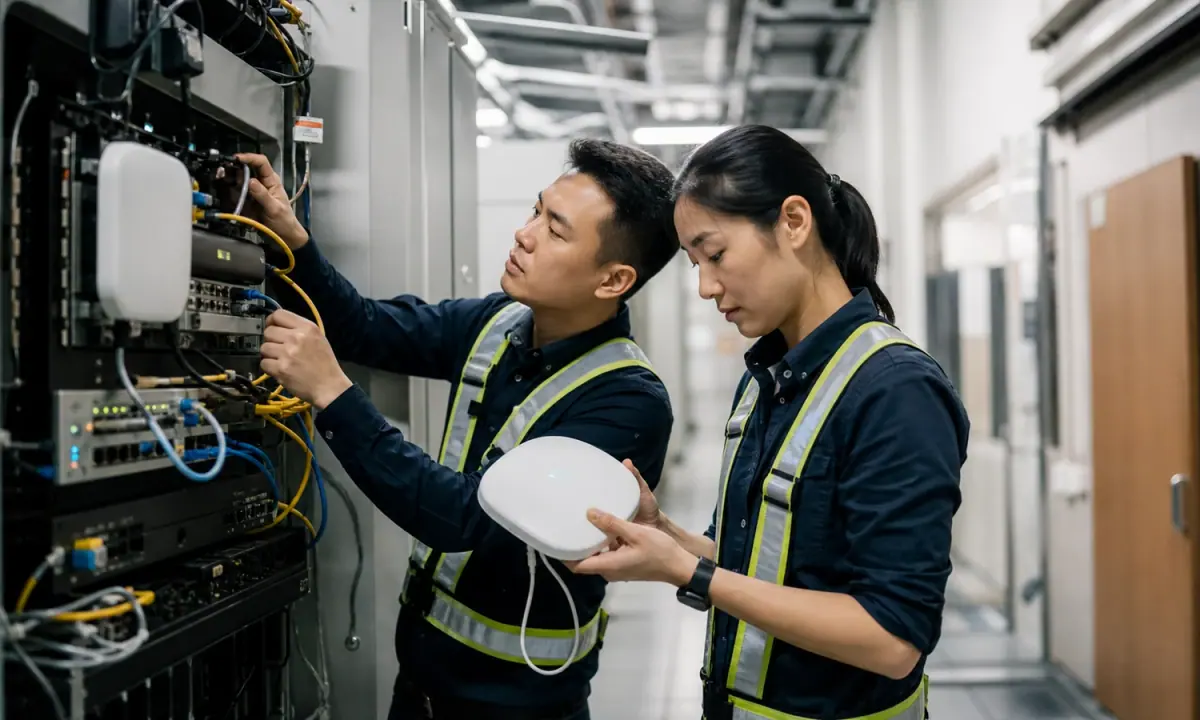
The practical takeaway is implementation capability: AI readiness still depends on networks, cloud, cyber resilience and operational delivery.

The stronger story is not the award itself, but how Tiger Brokers is framing technology, scale and investor-platform capability in wealth tech.
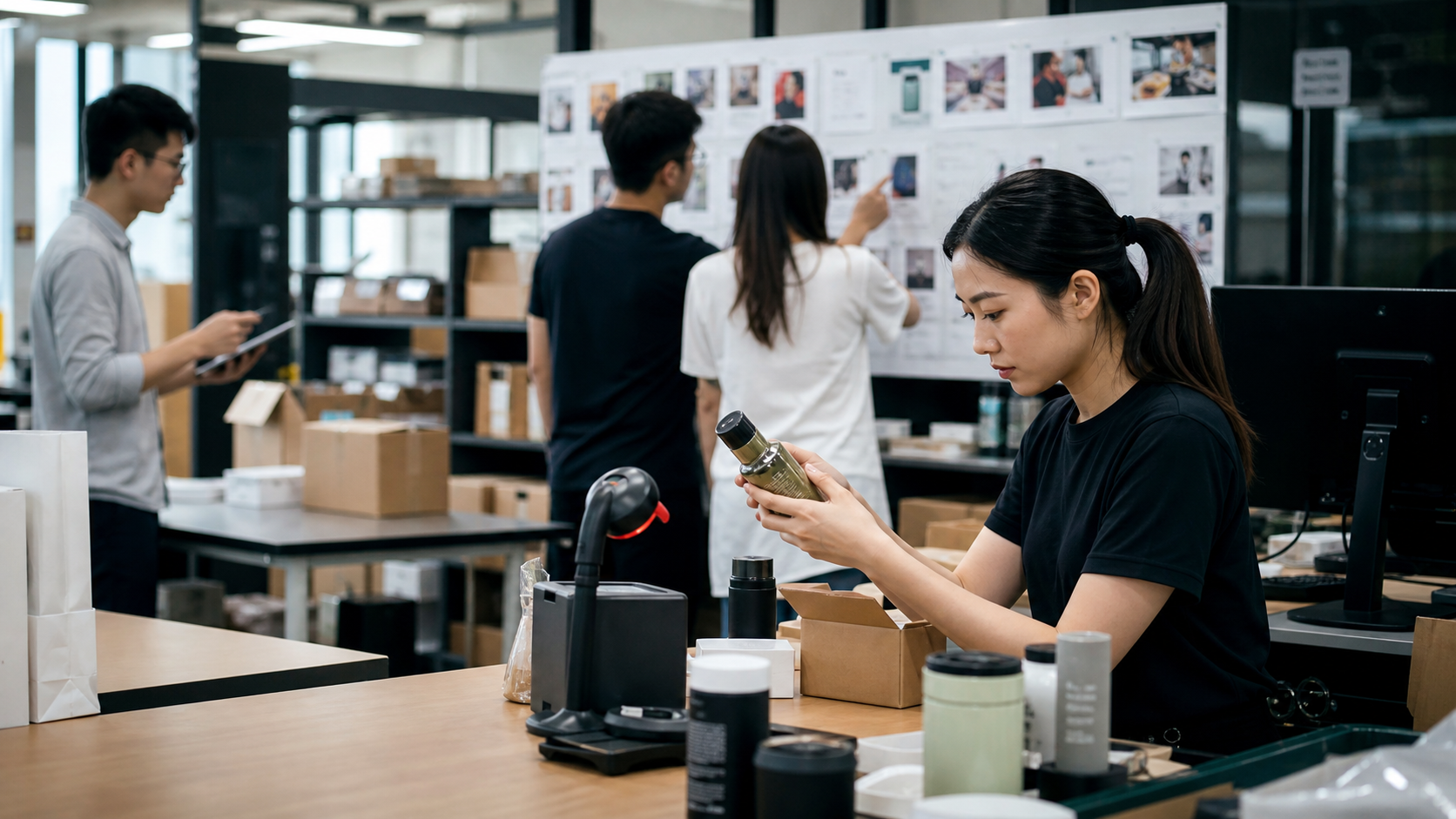
The story is not another standalone AI tool. Synagie is positioning Geene 2.0 as a coordinated commerce stack for data, content, operations, compliance and trust.
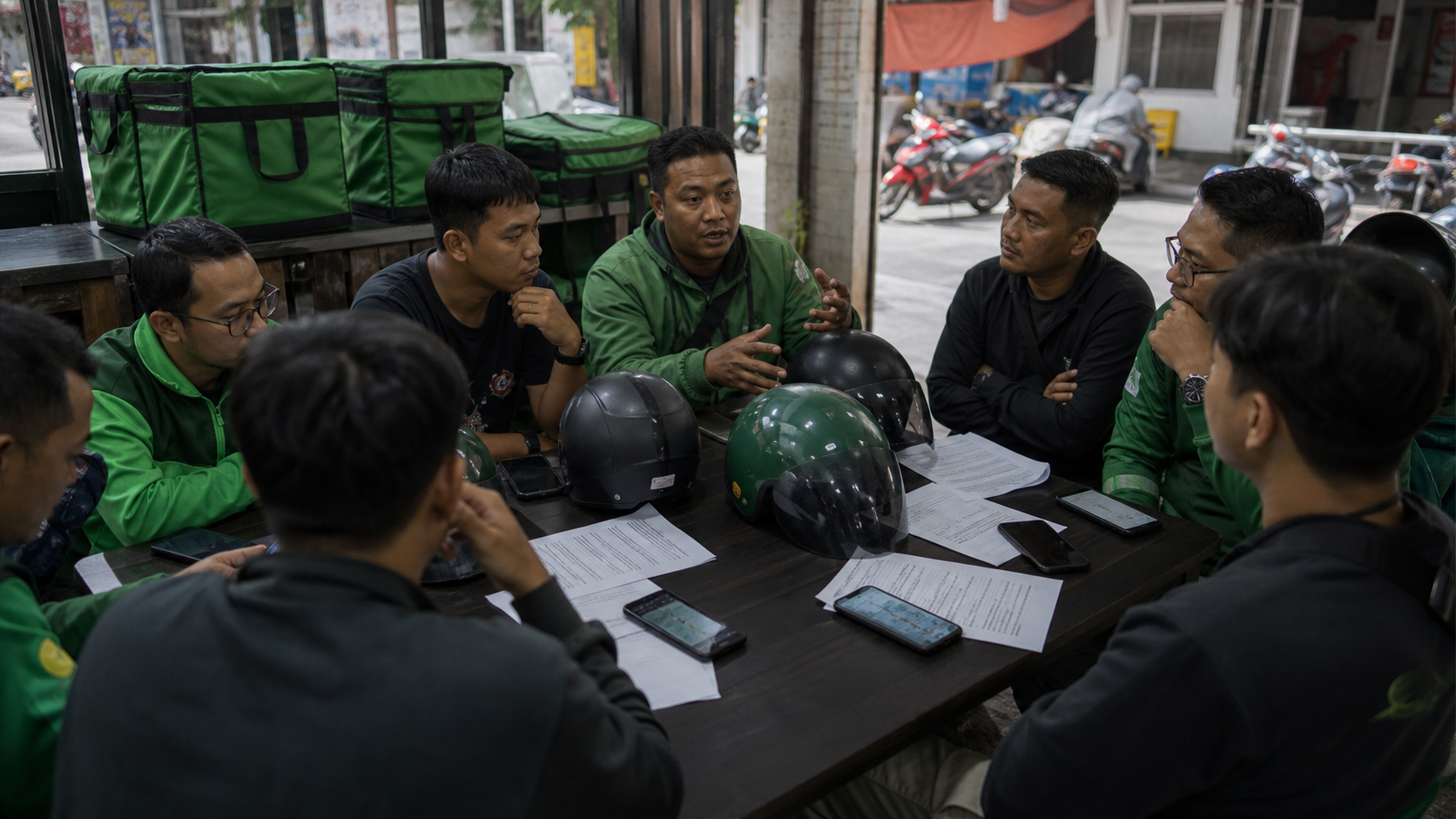
The update is an acquisition-readiness signal: Grab is trying to show that its proposed foodpanda Taiwan transaction can move forward with labour, compliance and partner-transition safeguards attached.

The agreement matters because better FDI data can improve how investors, agencies and advisers read the Philippines’ business climate.

The update is a commercial marketplace signal: Carousell is framing secondhand commerce as a transaction-led, AI-supported business rather than a classifieds-only platform.
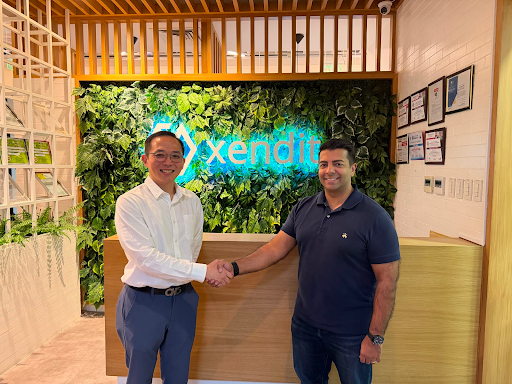
The announcement is a commercial fintech signal for Philippine merchants and regional payments infrastructure.

The guidelines push chatbot trust from broad AI-governance language into a practical disclosure format that consumers can inspect.

The update gives companies a clearer public path for privacy-preserving data collaboration in AI, healthcare and payments use cases.
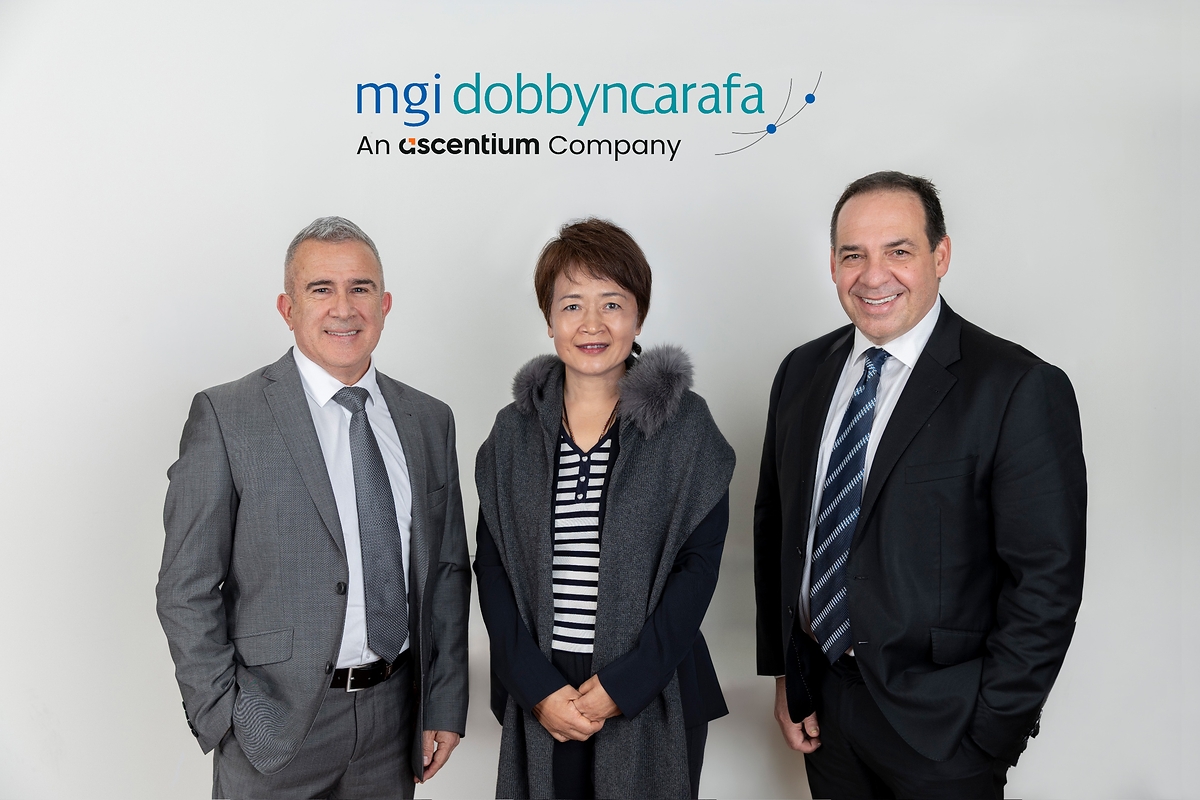
The acquisition extends a cross-border professional-services platform serving companies that need advisory, tax, corporate and private-client support across markets.
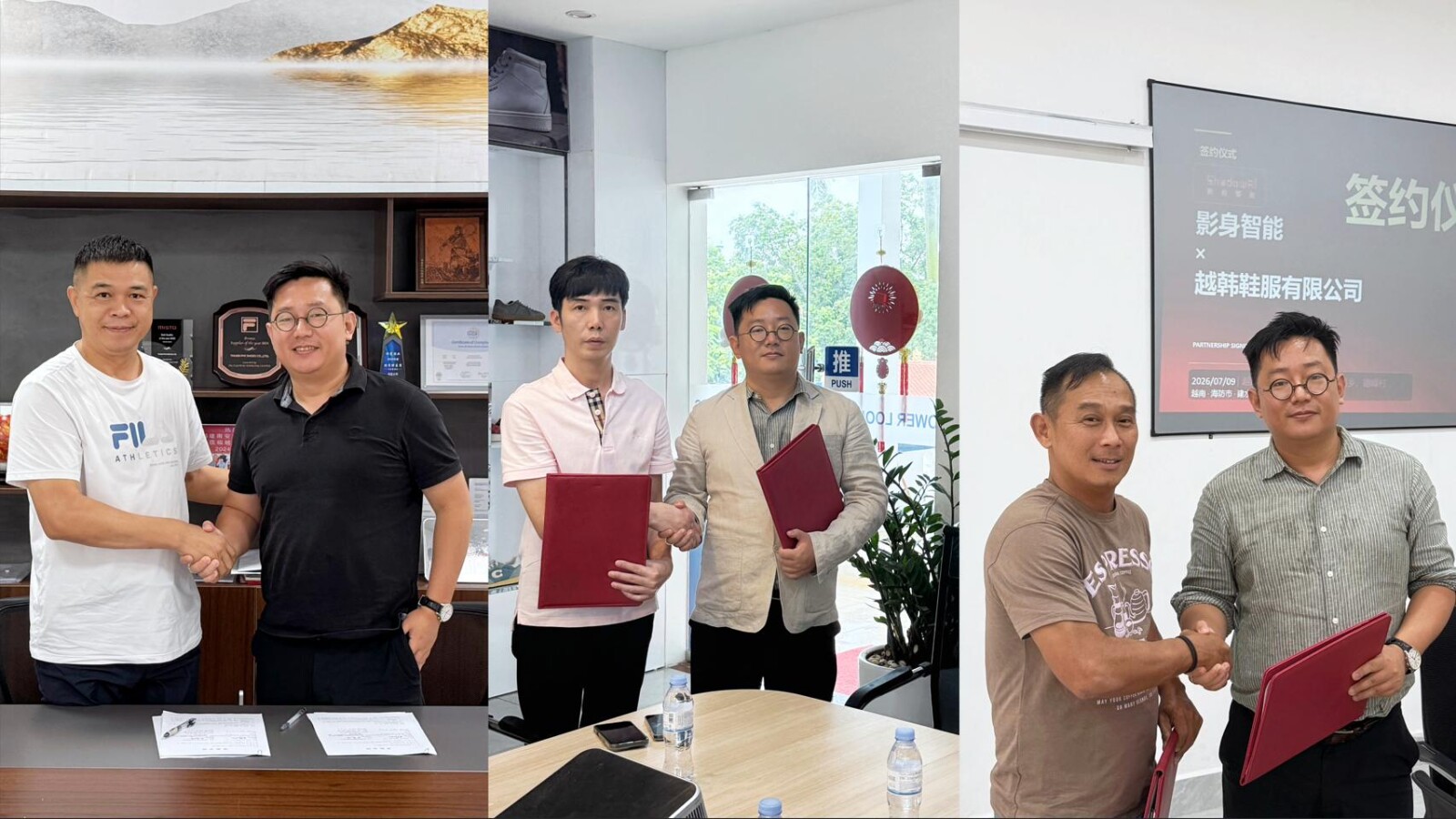
The Vietnam factory agreements show embodied AI being tested in flexible, labour-intensive production rather than only in lab or demo environments.

The event gives Thailand and ASEAN manufacturers another sourcing point for suppliers serving electronics, automotive and industrial production upgrades.
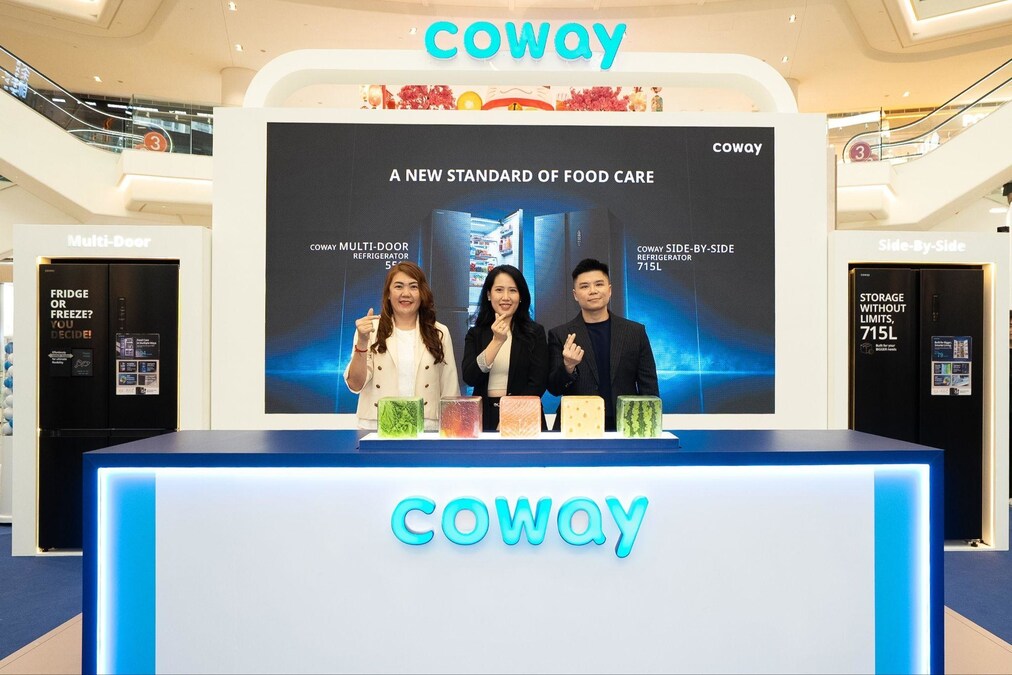
The launch shows a Malaysia consumer-market shift as home-appliance brands push into broader lifestyle categories and service-led ownership models.
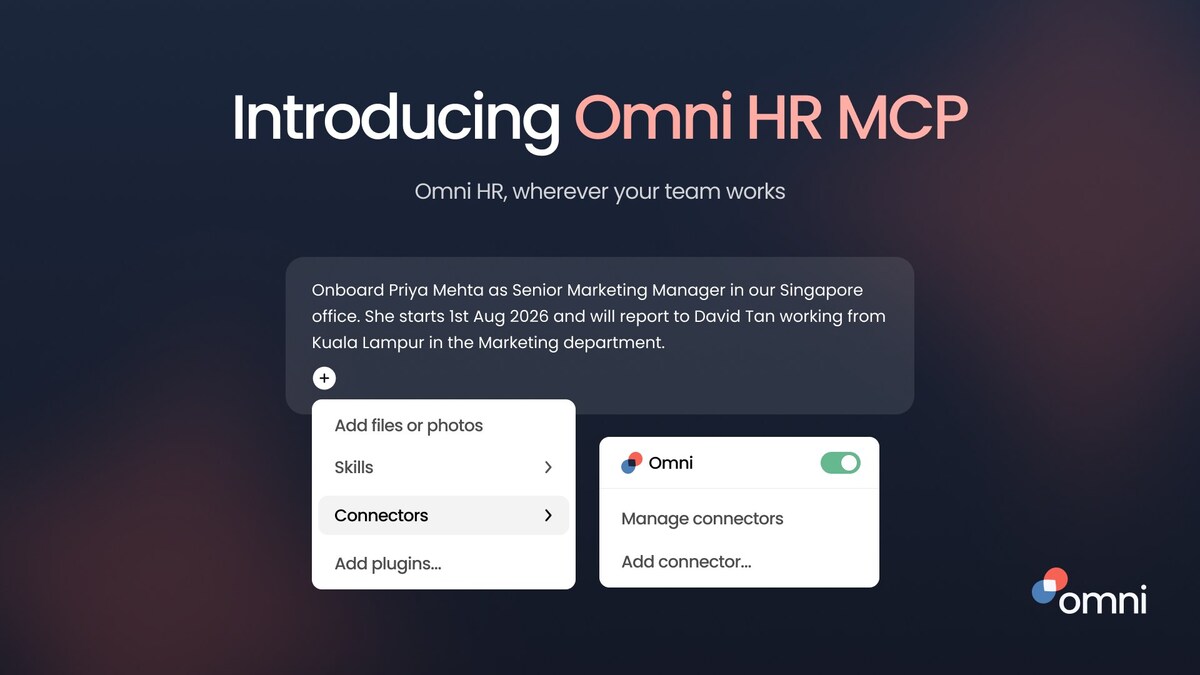
The launch shows how AI-native HR platforms in Asia are moving toward governed data access, not free-form copying into external tools.

Family Zone turns Roblox safety guidance into a shared product experience, giving families a more practical way to discuss platform use, co-play and online-safety habits.
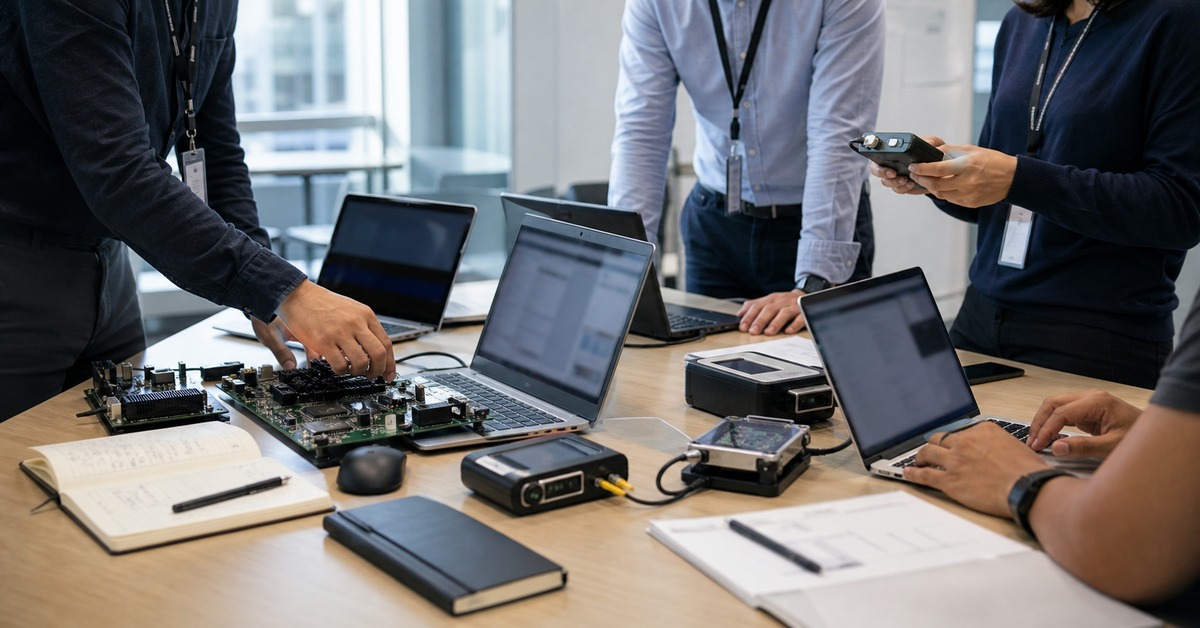
Plug and Play says its partnership with Thales will use Singapore as the first APAC hub for applying the Trust My Tech programme to deep-tech startup collaboration.

CapBay’s newsroom confirms public coverage of an MDEC partnership that points to access to RM200 million in growth financing for Malaysia Digital companies.
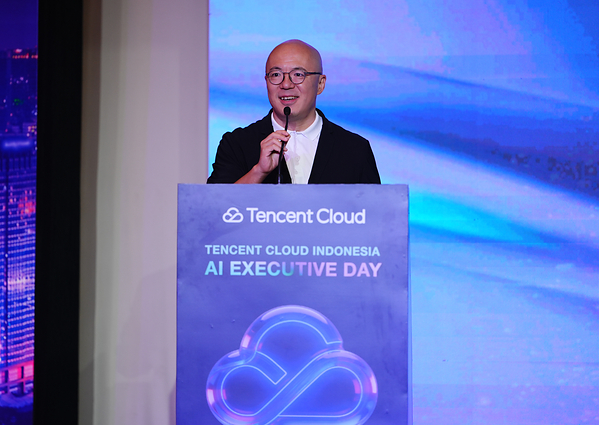
Tencent Cloud says WorkBuddy, Miora and TokenHub are being positioned for Indonesian enterprises that want to move AI agents from experimentation into day-to-day workflows.
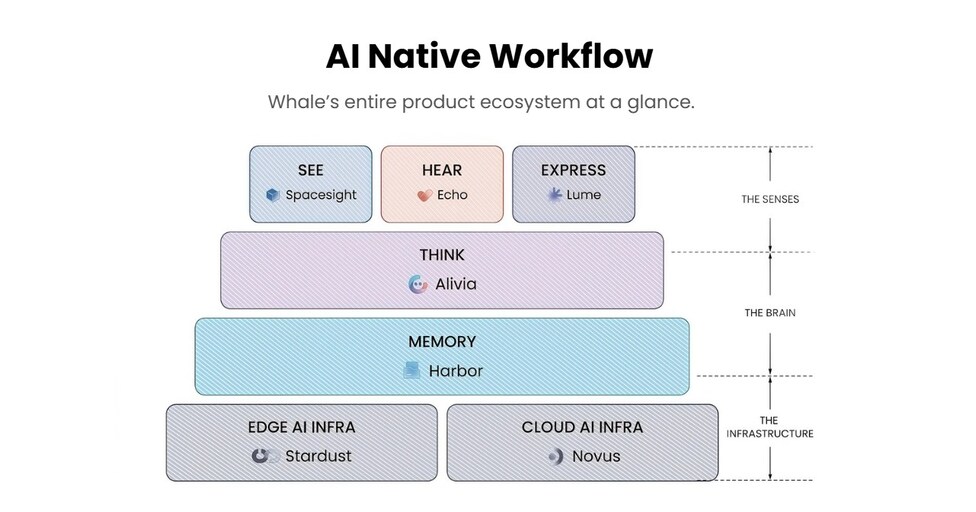
Whale says its Series C has reached US$100 million after a US$40 million extension, giving the Singapore-headquartered enterprise AI company more capital to scale operational AI deployments.

Longbridge says its new AI-native investing suite starts with Singapore users and turns discovery, portfolio analysis, planning, execution and review into a conversational workflow.

The Department of Finance says the Philippines ranked first among 57 emerging markets and developing economies in the IIF’s investor-relations country score.
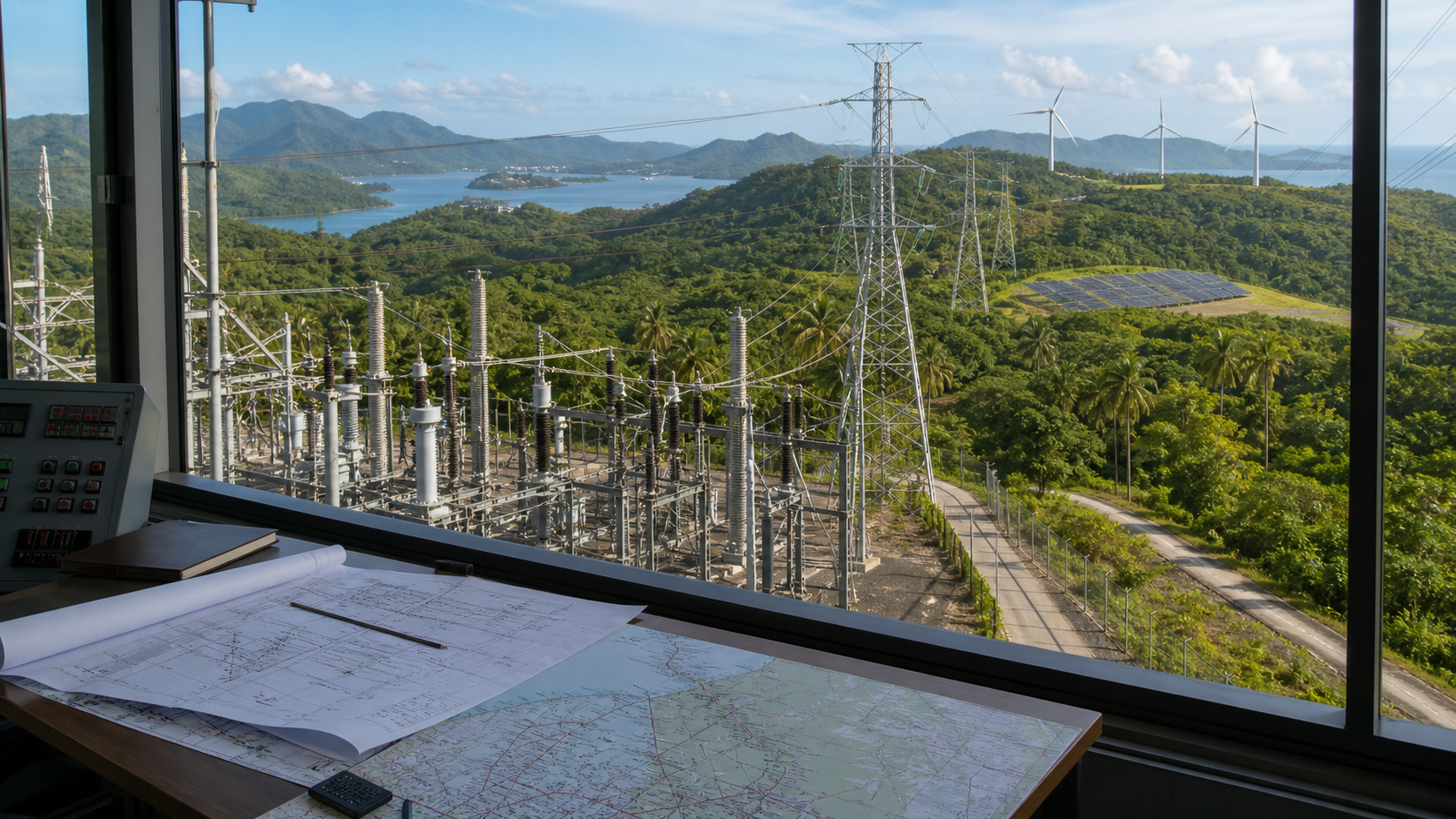
The Philippine Department of Finance says the MCC-approved programme will support energy-sector governance, operational efficiency and the conditions for private investment.

The Philippine Department of Finance says a new round of engagement with Korea spans semiconductor manufacturing, shipbuilding, rail links and potential energy cooperation.
The renewed partnership matters because travel platforms are becoming demand-generation partners, not just booking channels, for destinations competing for regional visitors.
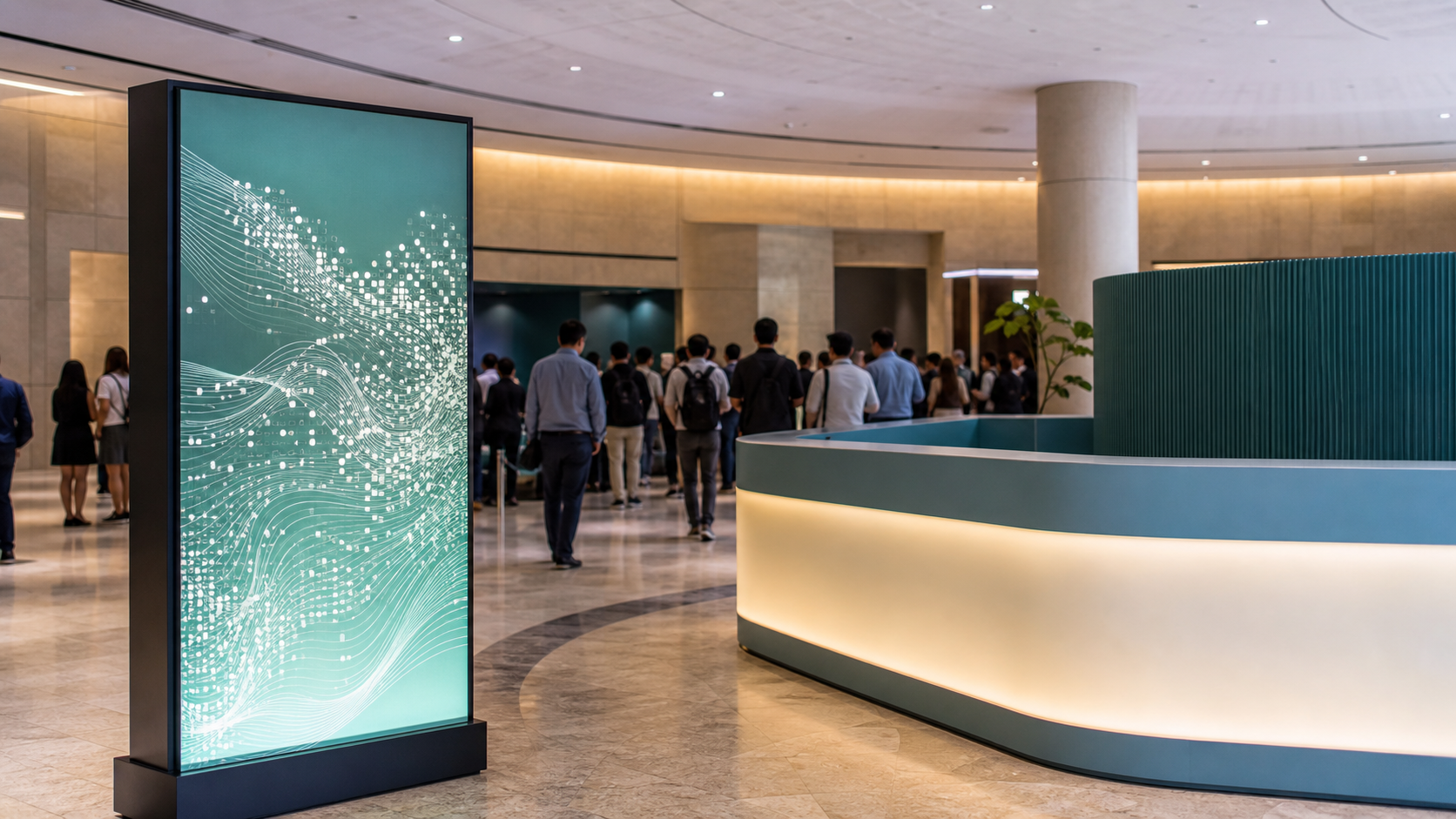
GovTech says STACK has grown from a developer event into a broader technology forum, with 2026 themes spanning AI autonomy, data-enabled experiences and resilient cloud.

At the KPMG and National Library Board launch, MDDI said the year-long initiative will focus on reading, information literacy and AI capability for professionals.

At the Singapore launch of EY Studio+, MDDI framed AI competition around redesigning organisations, customer journeys and trusted transformation rather than technology access alone.
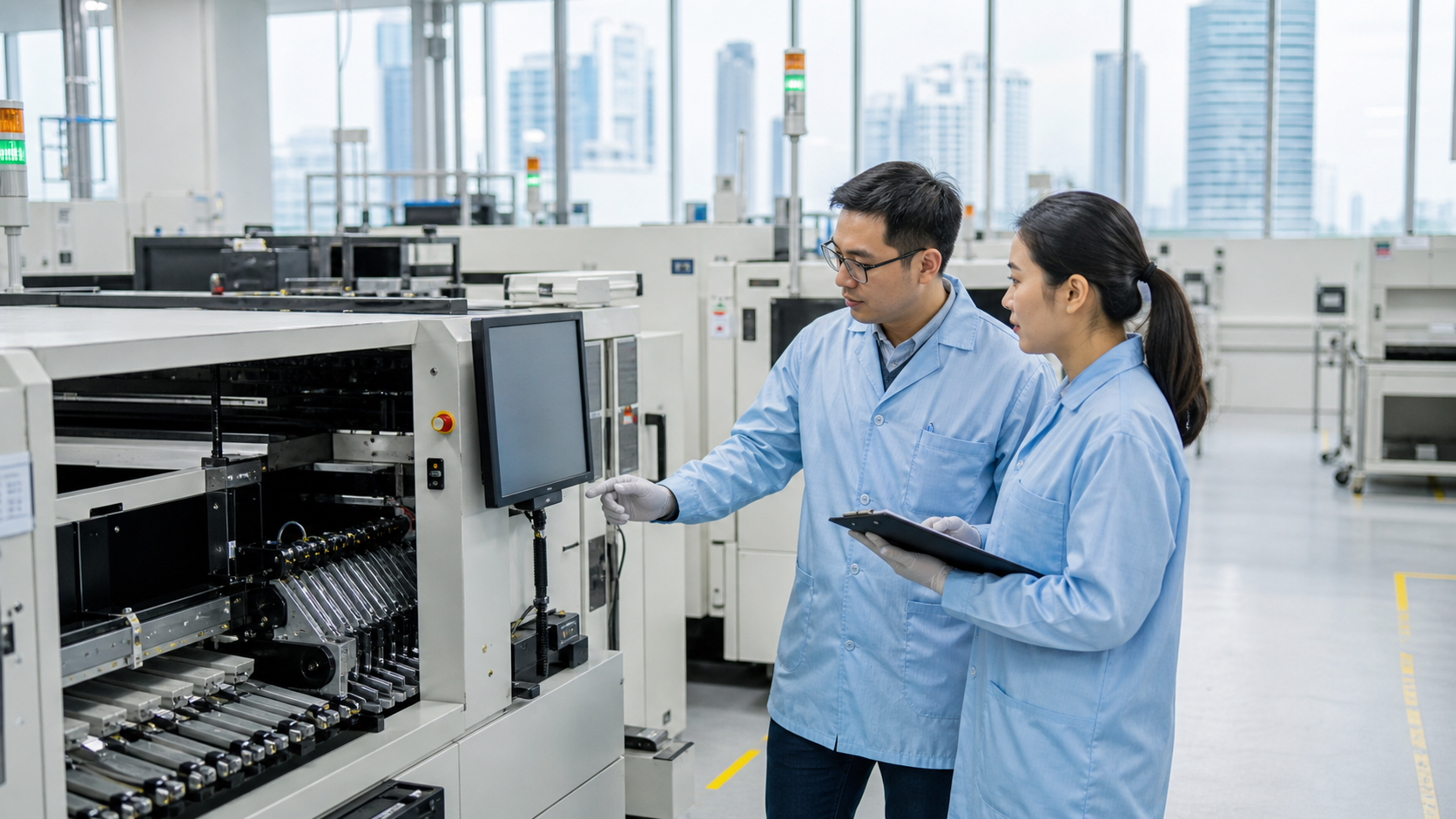
MTI’s advance estimate says Singapore grew 5.7% year on year in the second quarter, with manufacturing supported by electronics and precision-engineering output tied to AI-related semiconductor demand.

AGC says more than 200 delegates from over 40 jurisdictions are attending a Singapore-hosted conference on legislative drafting, with sessions covering AI tools, digital decision-making and accountability.

The partnership matters because Malaysia’s instant-payment and digital-banking growth is raising the pressure on banks to modernise fraud controls without weakening regulatory resilience.

MDEC has announced the revised framework's effective date; company-specific obligations should be checked against the underlying guidelines.

The proposal is under consultation; it is not enacted law or a final licensing regime.
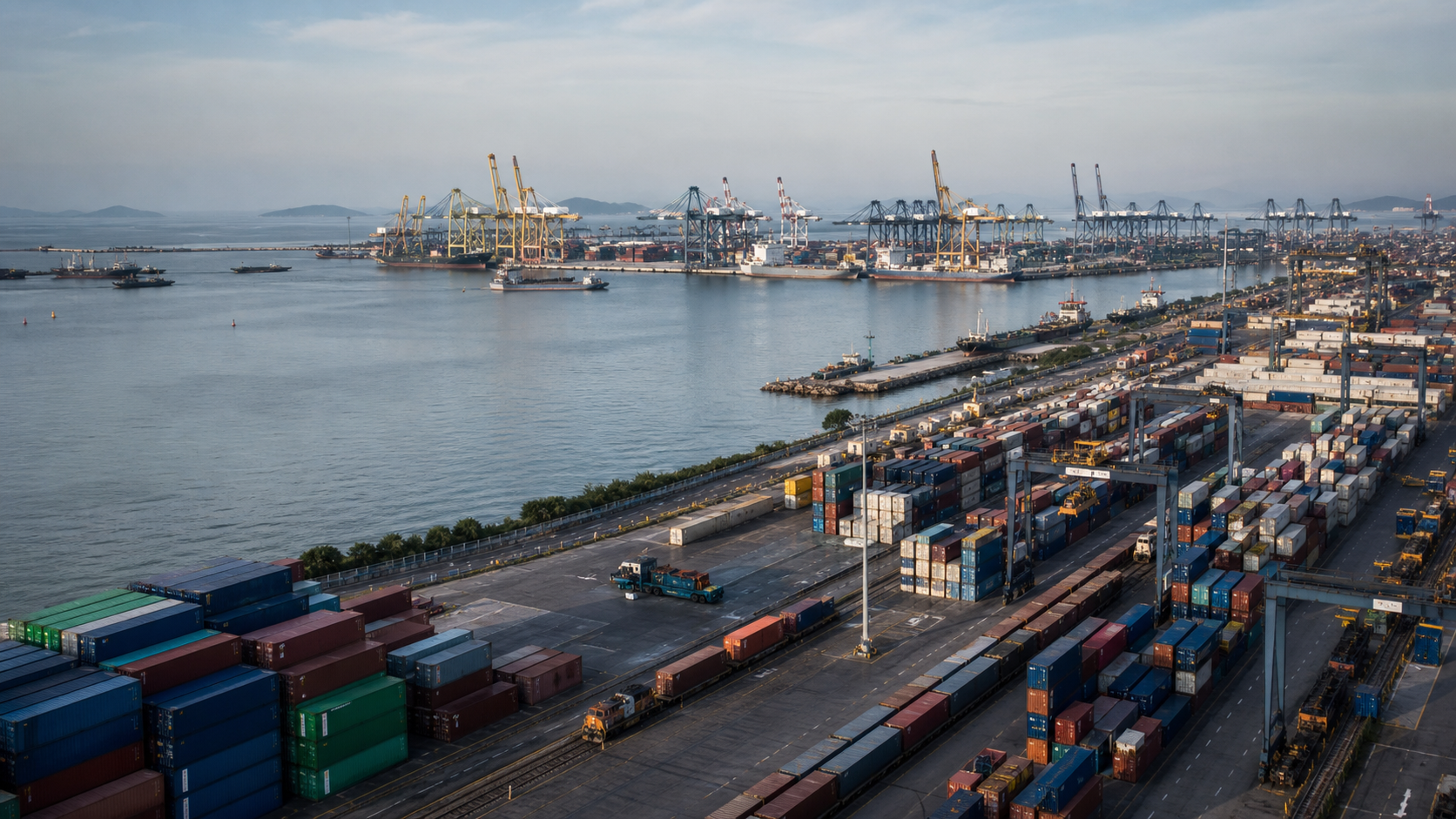
ADB's forecast revision is a regional planning signal, not a forecast of any individual country's or company's outcome.
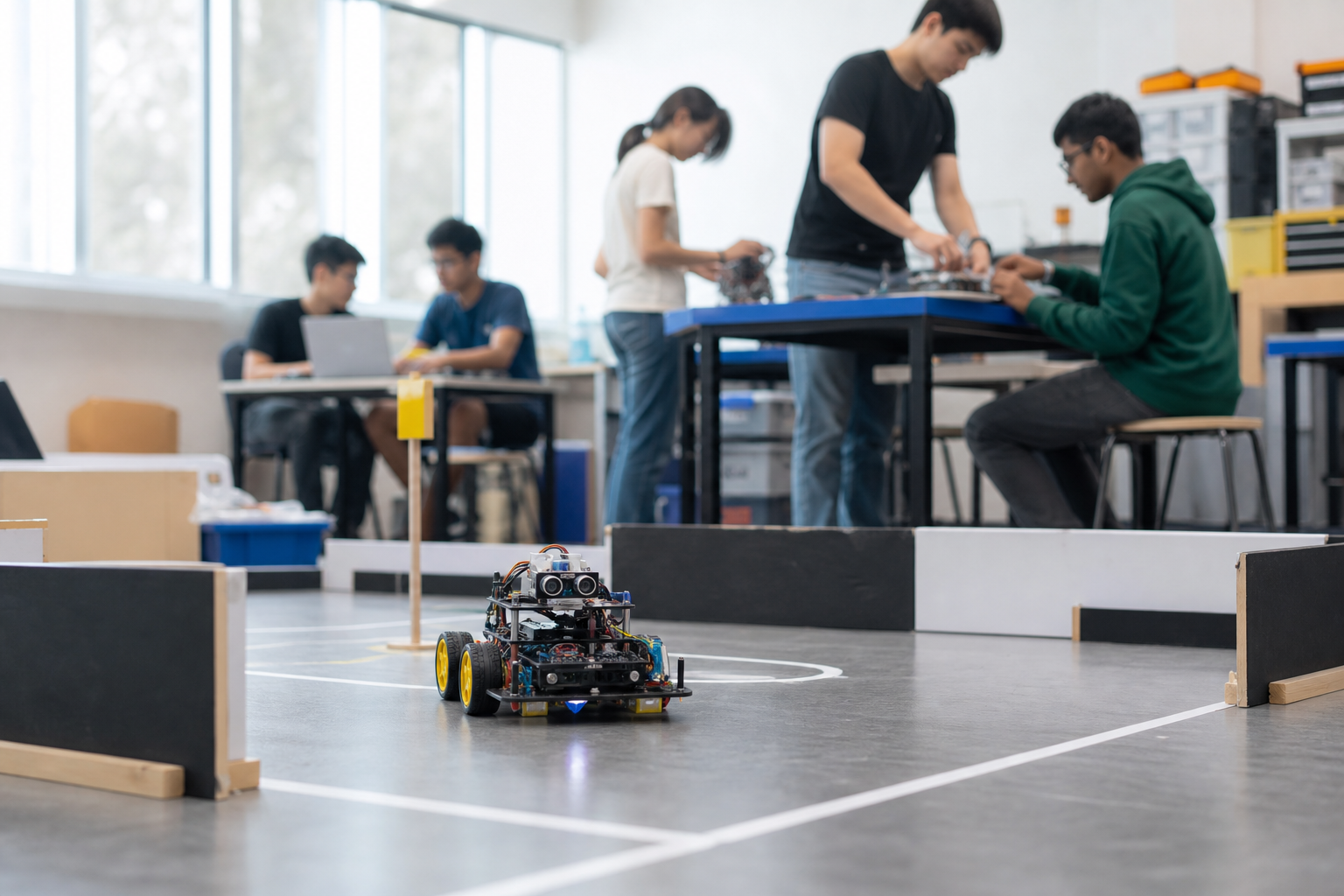
The competition offers a dated participation and training signal, not a measure of longer-term AI skills or career outcomes.

The funding commitment and programme design are official; content performance and industry impact will require later evidence.
The transaction expands available lending capacity; actual borrower reach and business outcomes remain later proof points.
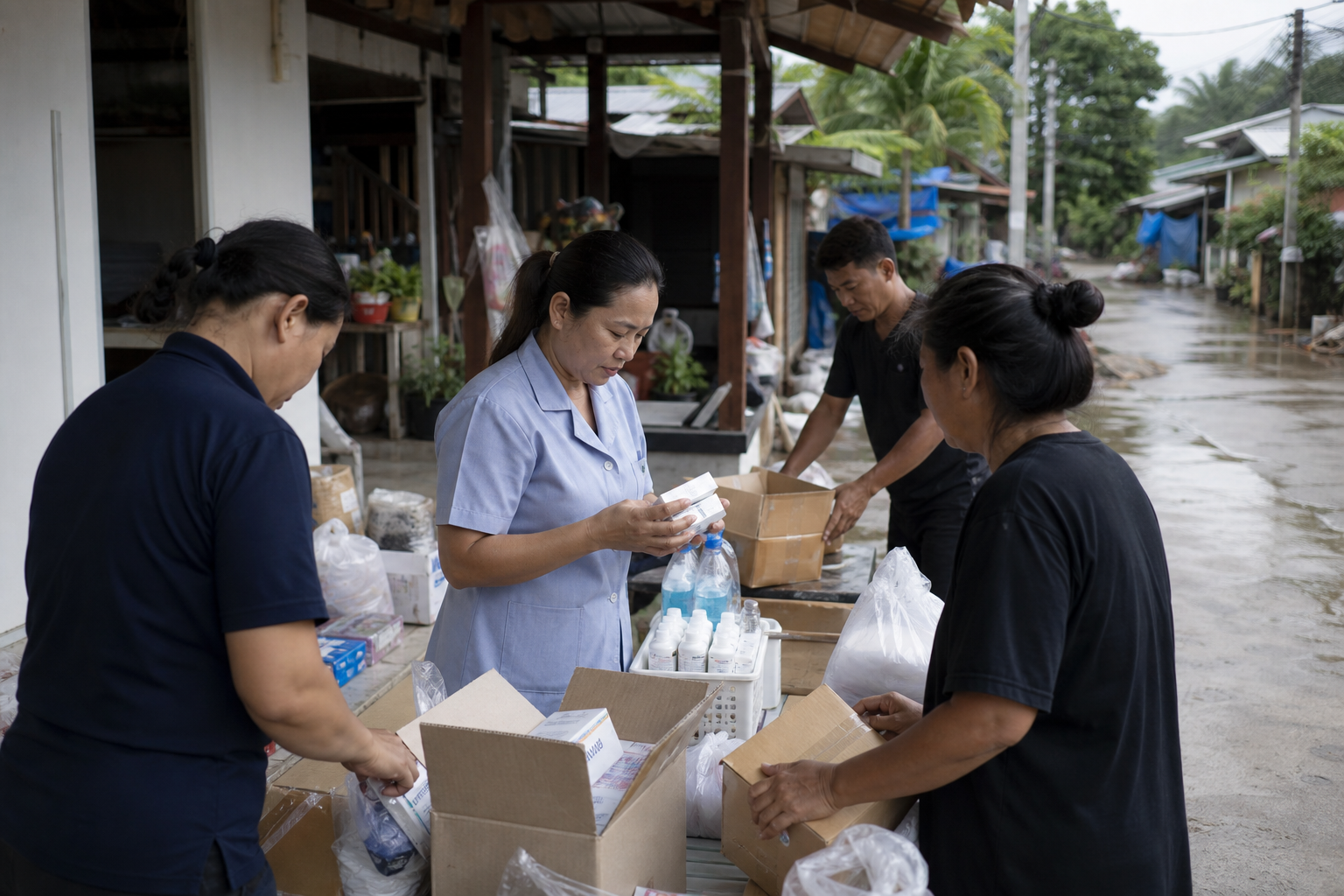
The grant is approved emergency support; it should not be read as proof that recovery needs have been fully met.

The programme is an official workforce-development commitment, not evidence that 60,000 professionals have already completed AI training.

The useful signal is pricing pressure and product packaging in regional roaming, not just another travel promotion.

The useful signal is that embedded finance here is live, regulated and tied to a specific religious-finance use case.

The useful regional signal is distribution into work, governance and team operations, not only model capability.
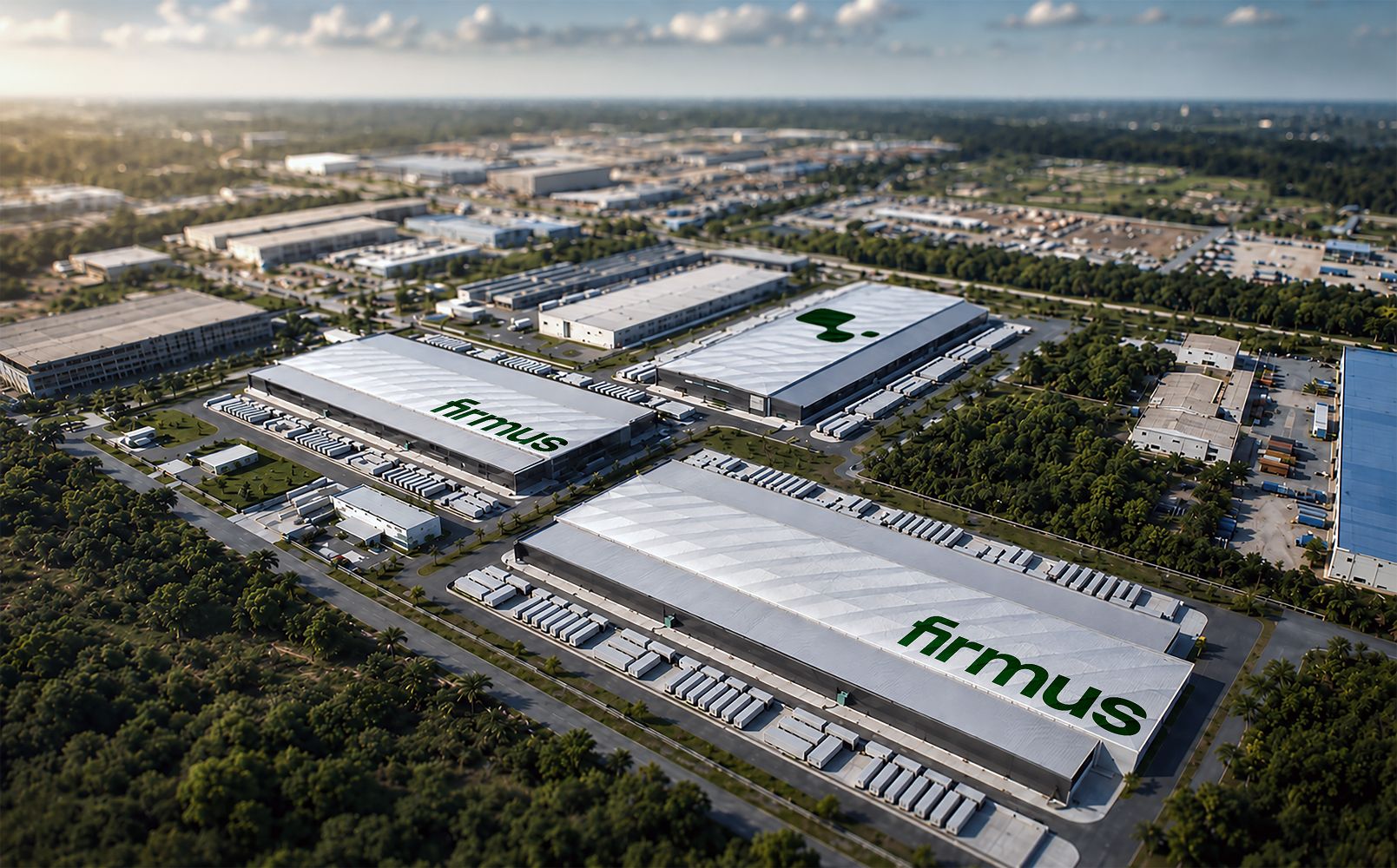
The useful signal is not only the US site. It is that a Singapore-headquartered infrastructure company is pulling AI hardware manufacturing closer to its operating stack.

The useful signal is not hype around AI alone. It is that Malaysia and Thailand are explicitly named in the IMF’s technology trade and growth framing.

The useful signal is not generic AI enthusiasm. It is a dated target from a major Singapore investor with named focus areas across the stack.
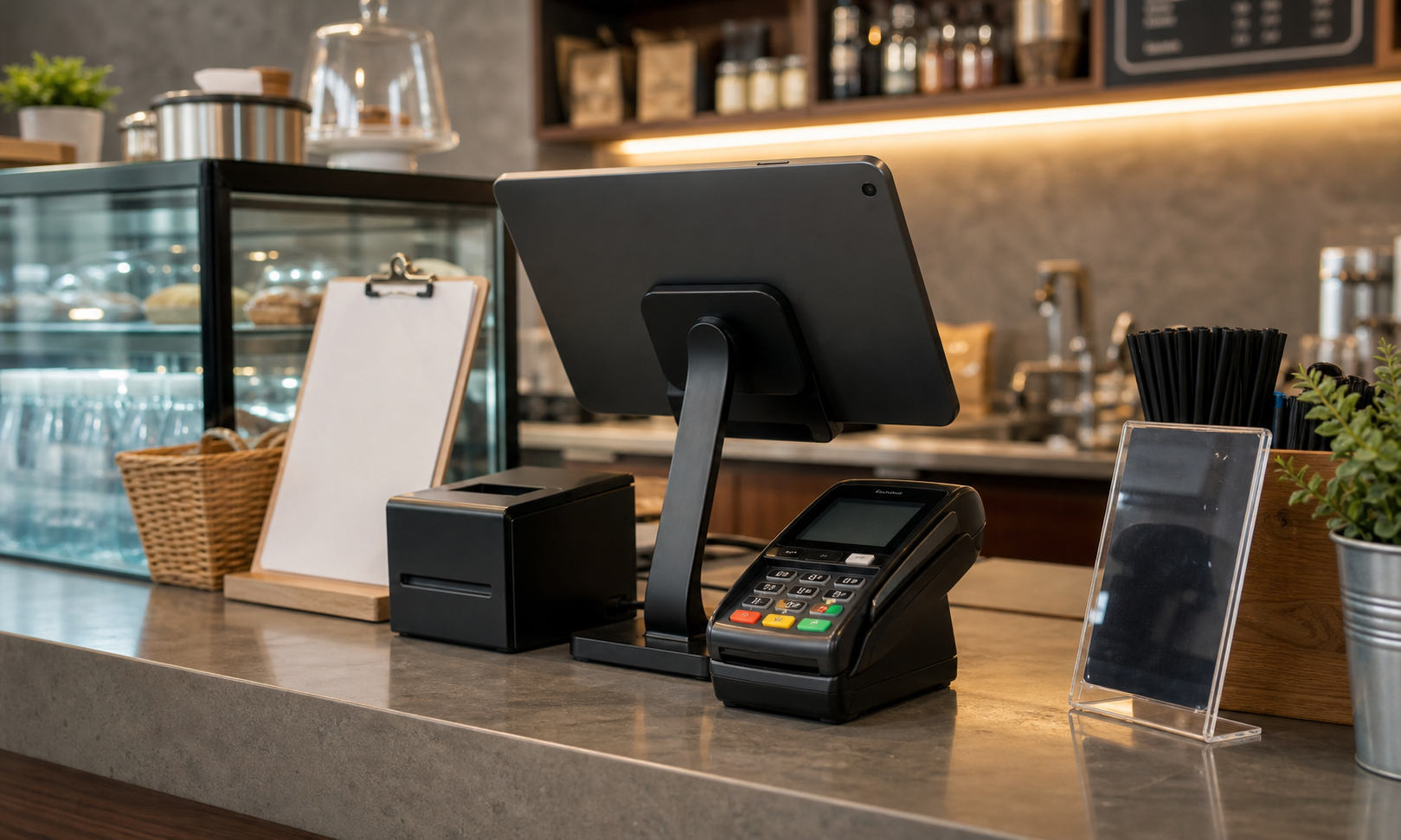
The useful signal is not only the raise. It is the combination of agentic workflow positioning, CRM integration and enterprise sales execution claims.

A new BOI approvals batch gives Southeast Asia a concrete supply-chain and AI-infrastructure signal anchored in named projects, sectors and locations.
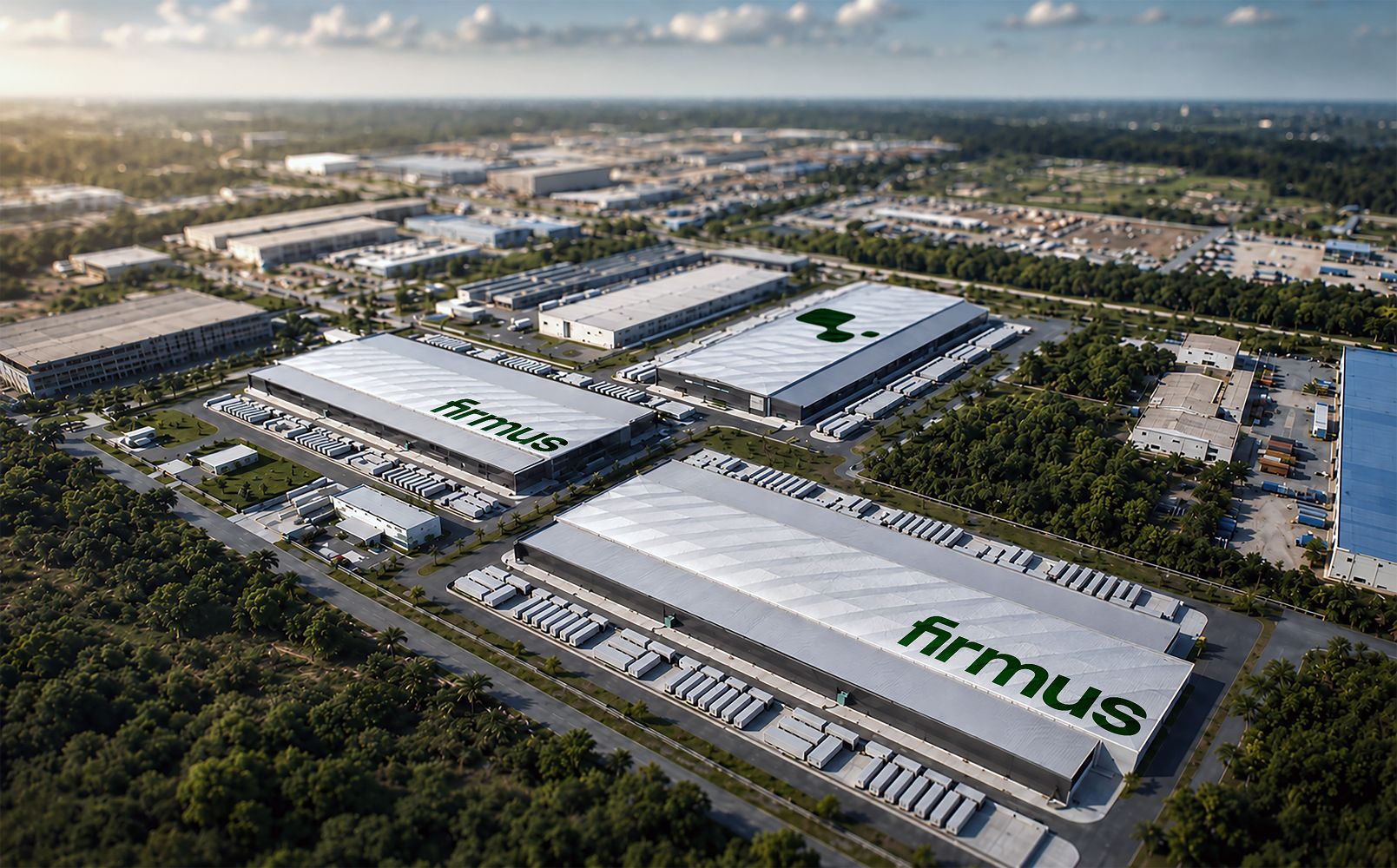
Nestlé’s Thailand expansion is a source-confirmed production and export signal, not just a consumer-brand story.
The useful signal is not the logo change; it is the tighter operating narrative around cross-border payments, treasury and institutional platform positioning.

Swift’s official press release turns tokenised cross-border payments into a source-confirmed banking-infrastructure signal for Singapore and Southeast Asia.

Singapore wealth clients are using AI for research and stress-testing, but the useful market signal is hybrid advice rather than AI-only decision-making.

NCS is positioning itself across US and Chinese AI stacks as Singapore enterprise buyers weigh open-weight models, private deployment and governance requirements.

RedDoorz is back in the IPO conversation through attributed trade-media reporting, and the item is framed as a market monitor until company, filing or exchange confirmation appears.

Wahed’s Malaysia fractional real estate platform is a useful fintech watch item because it links Islamic investing, retail access to property exposure and supervised capital-market experimentation.

OpenAI’s GPT-5.6 release is less useful as a benchmark race and more useful as a workflow signal: AI capability is moving deeper into documents, spreadsheets, presentations, desktop apps and enterprise collaboration tools.

Salesforce research puts Singapore’s AI adoption gap into a practical enterprise frame: worker scepticism is relatively low, but daily use remains limited and rollout quality is the next signal to watch.

Danantara Indonesia has published capacity, investment and 2028 operating targets for a Bali waste-to-energy project, creating a concrete infrastructure delivery schedule to watch.
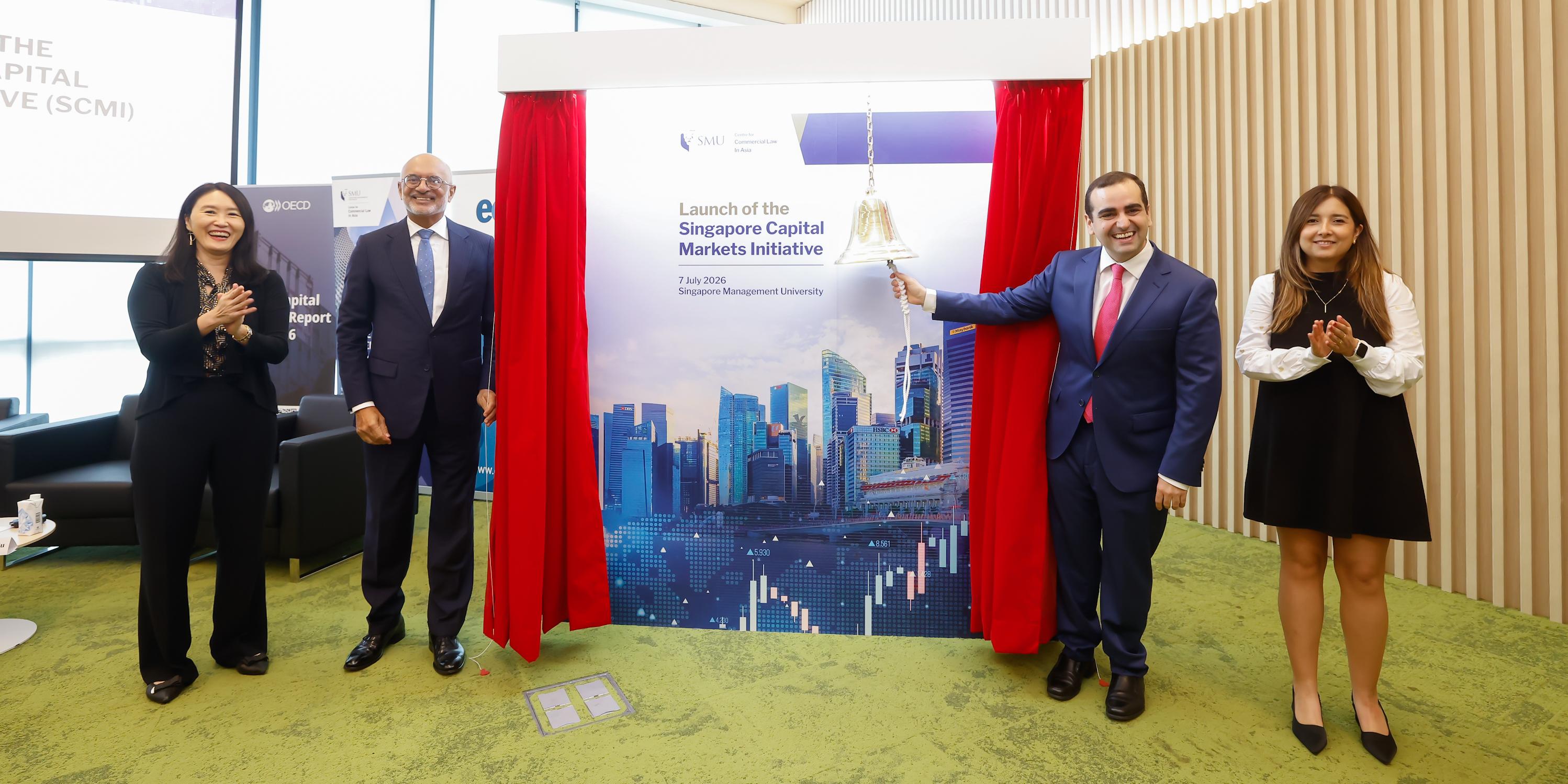
SMU’s new Singapore Capital Markets Initiative gives Southeast Asia a research and policy signal around private markets, market infrastructure and capital formation.
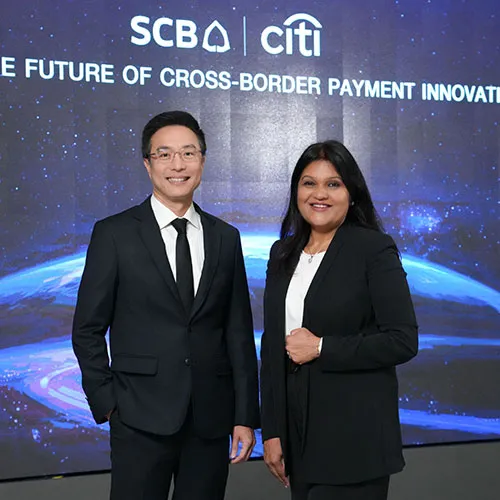
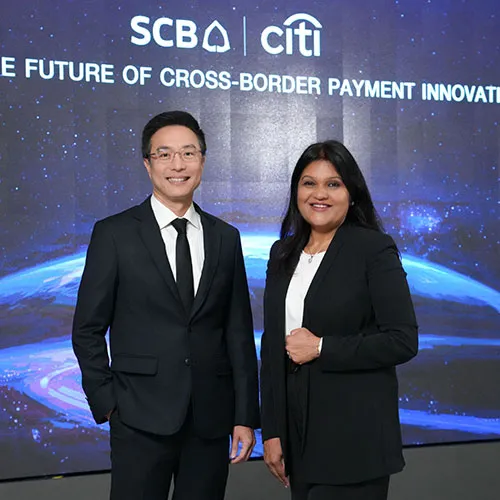
SCB’s adoption of Citi Token Services and 24/7 USD Clearing gives Southeast Asia a bank-led signal around always-on corporate payment infrastructure.

Nium’s acquisition of Cypher gives Southeast Asia a concrete payments-infrastructure signal, with the clearest proof around product capability rather than market adoption.

AI Singapore’s AI for Good Festival shows how AI policy is moving beyond enterprise adoption into education, access and responsible-use programmes.

The unusual part is the company profile: CCH Holdings is known for Malaysian hotpot restaurants, but its latest disclosure puts it into a Malaysia data-centre maintenance services story.

The reported Philippines infrastructure role gives Zetrix a cross-border public-sector technology signal, with the next test coming from agency detail, rollout scope and implementation partners.
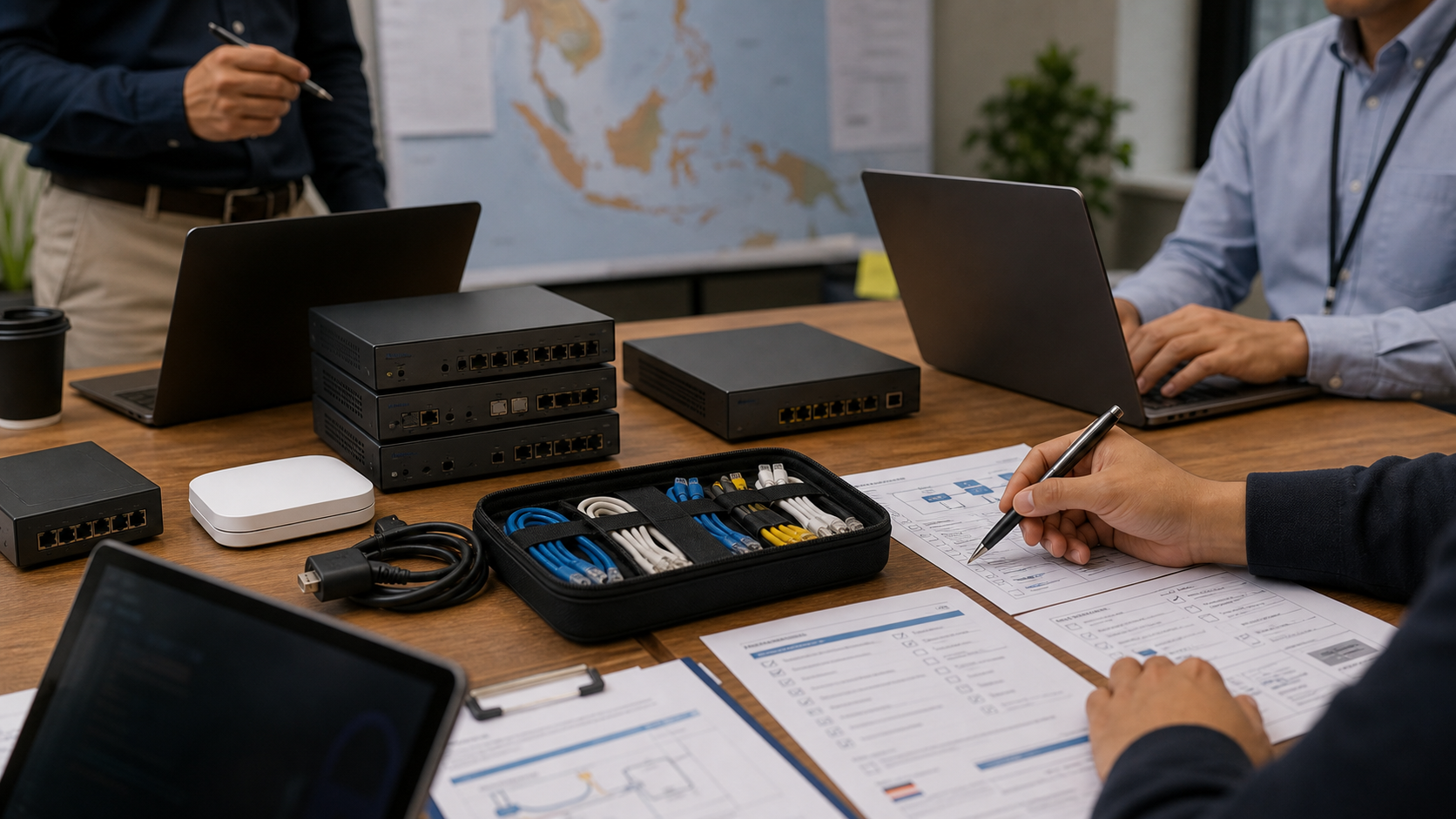
The Singapore region is relevant because security teams increasingly need advanced AI-assisted operations without moving sensitive cyber data outside accepted jurisdictions.

The acquisition matters because Singapore’s tight office market is pushing more companies to weigh managed workspace as an expansion and cost-control route.
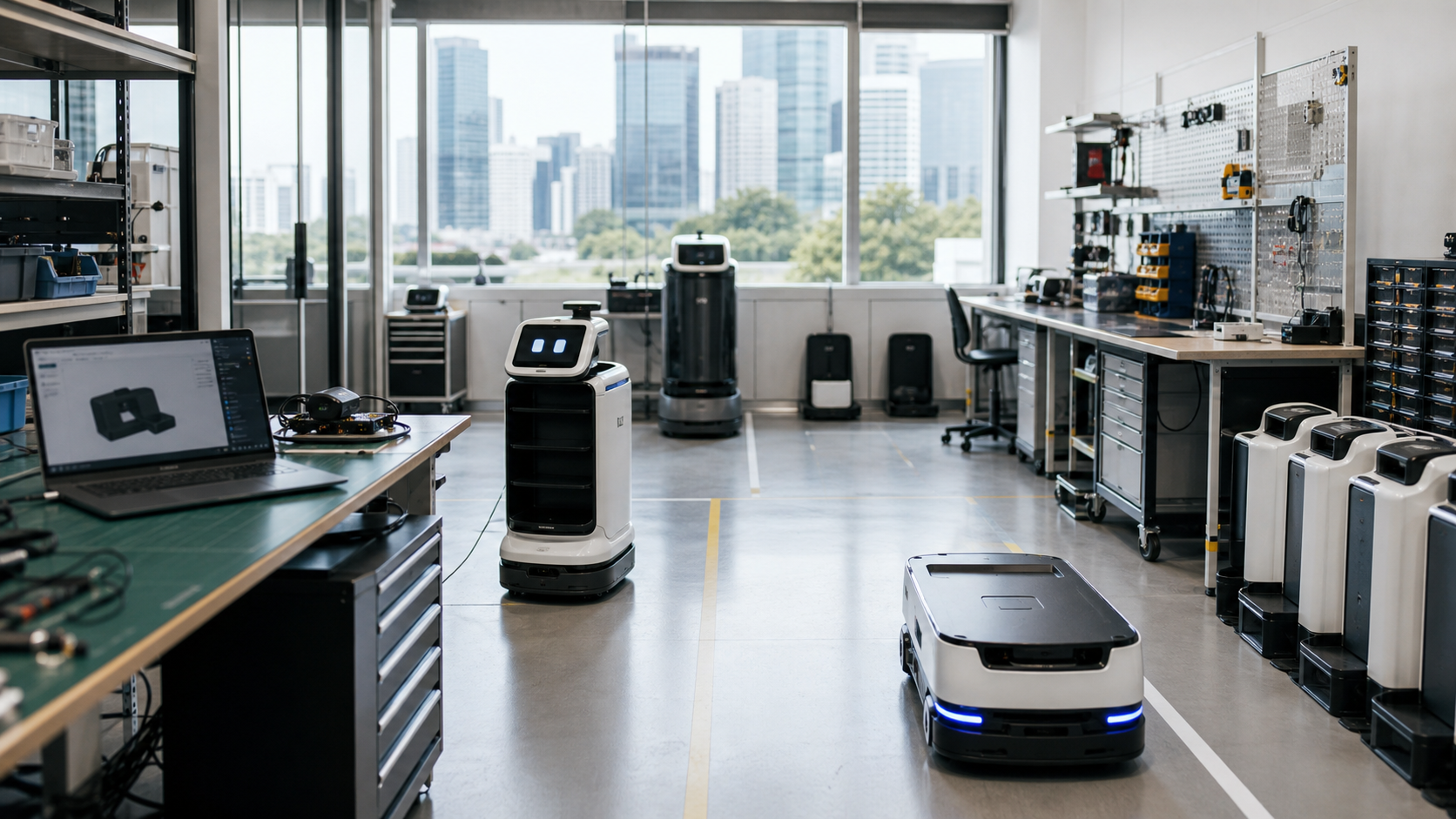
The first RoboNexus cohort gives Southeast Asia a concrete robotics-commercialisation story, led by named Singapore companies pursuing markets beyond their home base.
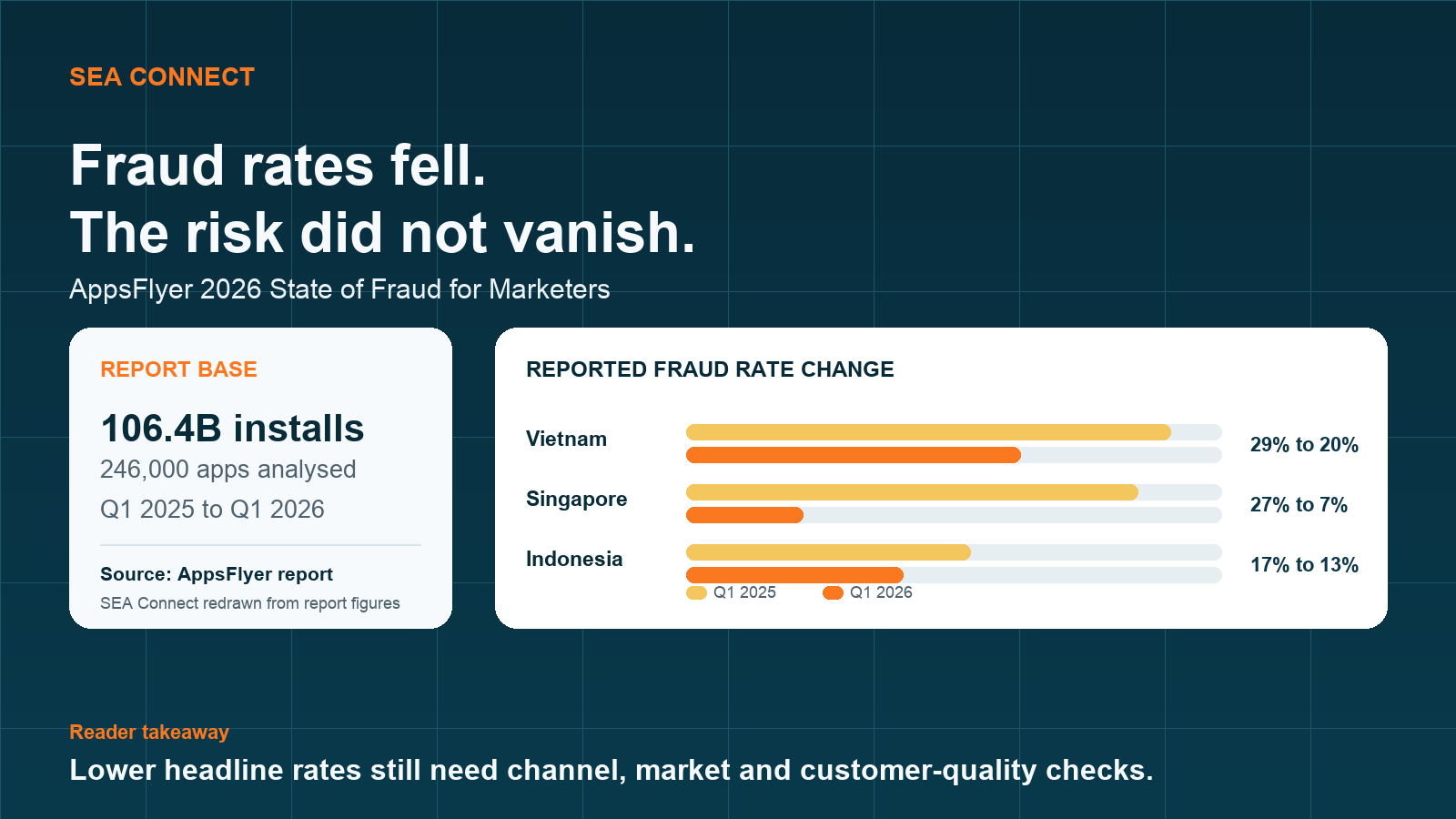
The mobile measurement company says reported fraud rates fell in both markets, but its 2026 report points to fraud shifting across channels rather than disappearing.

Unit 42’s latest report gives regional teams a specific public-sector and energy-infrastructure signal to track, without turning it into a region-wide alarm.
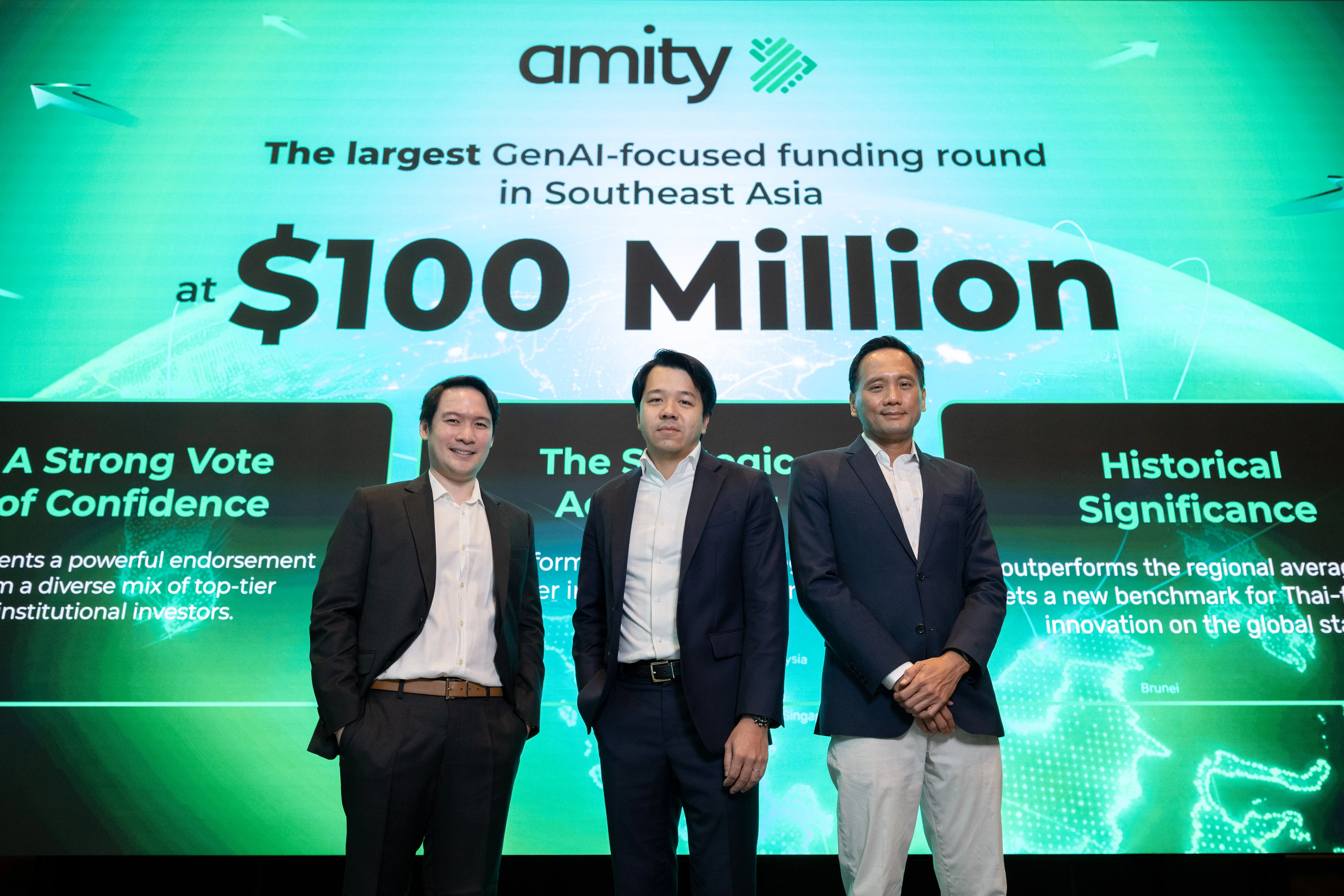
Amity’s Singapore ARAC move gives enterprise-AI watchers a concrete regional expansion signal, with company targets kept separate from proved outcomes.
Acti’s US$5.3 million seed round is a Singapore AI startup signal focused on bringing agents into the keyboard rather than another standalone app.

Grab’s Stash acquisition closing gives Grab a wealthtech capability while any Southeast Asia rollout still needs separate market evidence.
Messer’s Singapore and Malaysia acquisitions are a regional manufacturing-supply signal, with the strongest proof around ownership changes and local footprint rather than demand forecasts.

OCBC’s July 1 avatar-banking launch gives Southeast Asia a concrete banking AI signal, with clear limits around customer adoption and advice outcomes.
Qashier’s Series A+ financing gives Southeast Asia a merchant-OS and embedded-finance signal across Singapore, Malaysia, Thailand and the Philippines.

Amity Robotics’ funding round puts Thailand physical AI and customer-facing robotics back on the Southeast Asia startup watchlist.

Comin Asia and Nokia are being reported around AI-ready data-centre infrastructure for Southeast Asia, with Cambodia and Laos appearing as markets to watch.
Malaysia’s digital-policy agenda is creating a fresh watchlist item around AI readiness, data control and public-sector digital infrastructure.

A Tata Communications cable-capacity announcement gives Southeast Asia infrastructure watchers a dated India-Singapore connectivity signal with clear limits around demand and outcome claims.
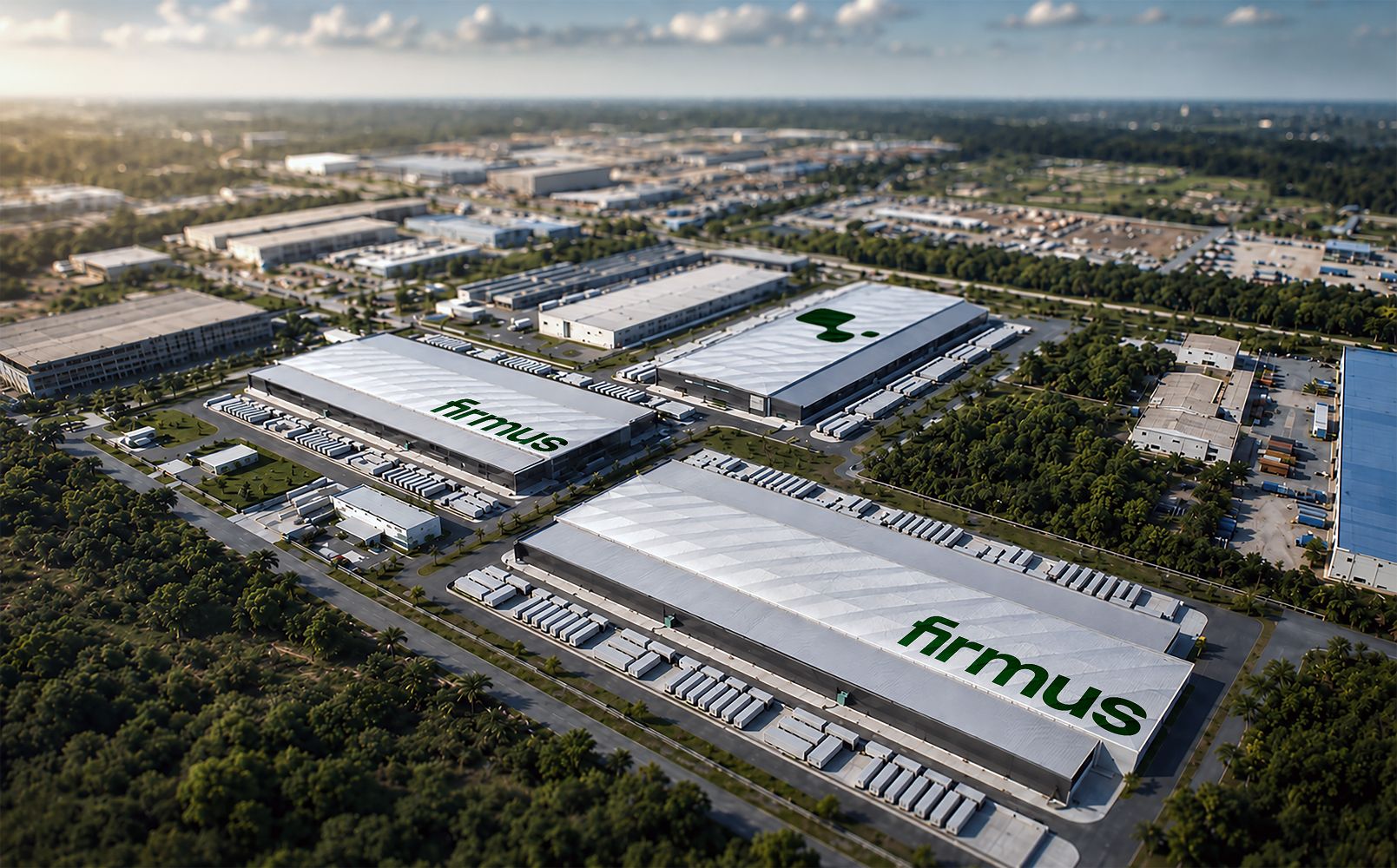
Firmus says it plans a Batam AI Factory Campus with Nvidia infrastructure and DayOne as datacentre partner, putting the Indonesia-Singapore corridor back into the regional compute conversation.

Igloo says its Eazy Digital acquisition strengthens its Thailand expansion and regional insurance operating-system strategy, making the deal a useful insurtech consolidation marker.
Sea says Shopee will appear in ChatGPT shopping flows and selected sellers will get ChatGPT for Business trials, adding a Southeast Asia marketplace case to the AI-commerce watchlist.
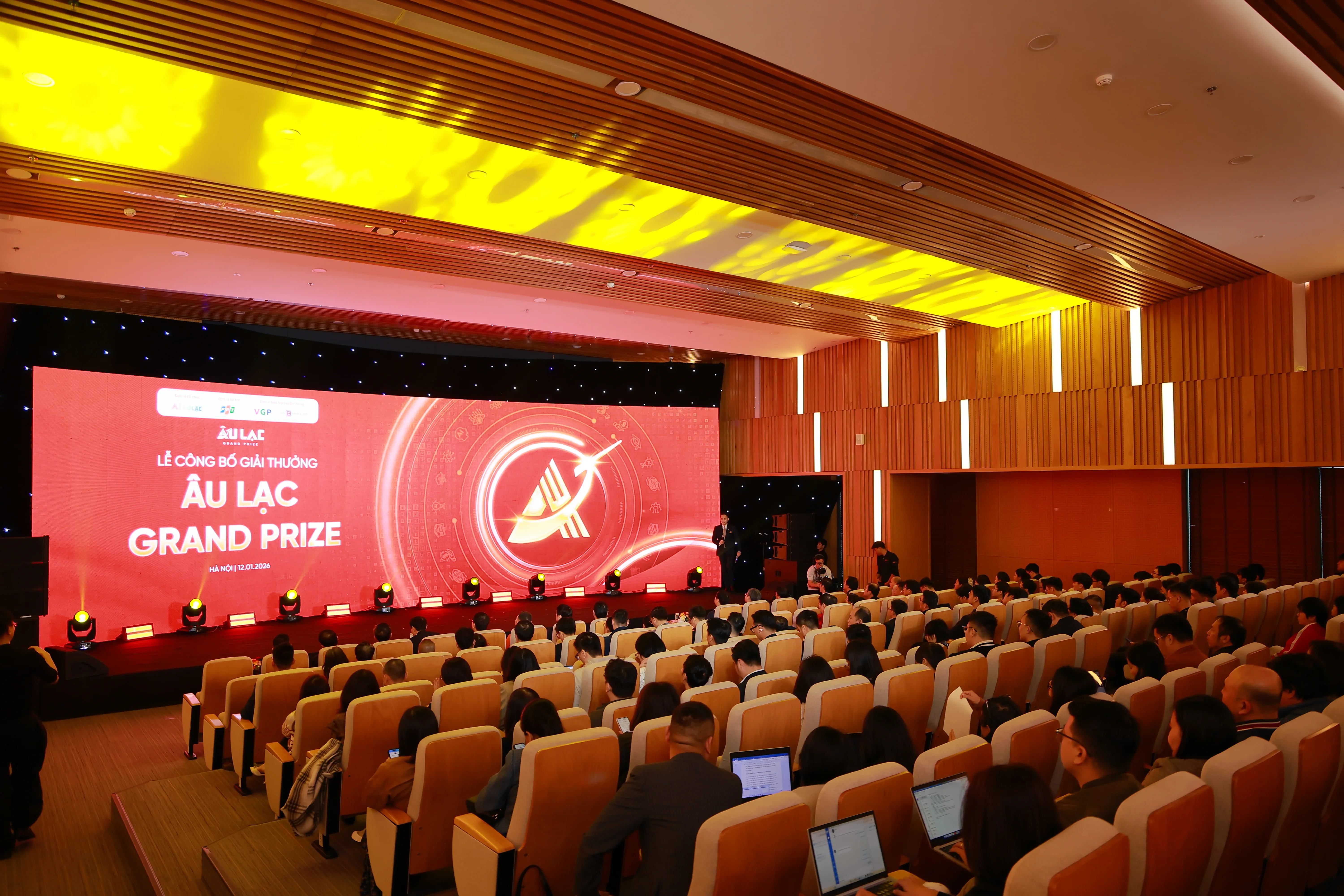
A Vietnam AI prize launch gives ecosystem teams a dated public signal with clear limits around outcomes and adoption claims.
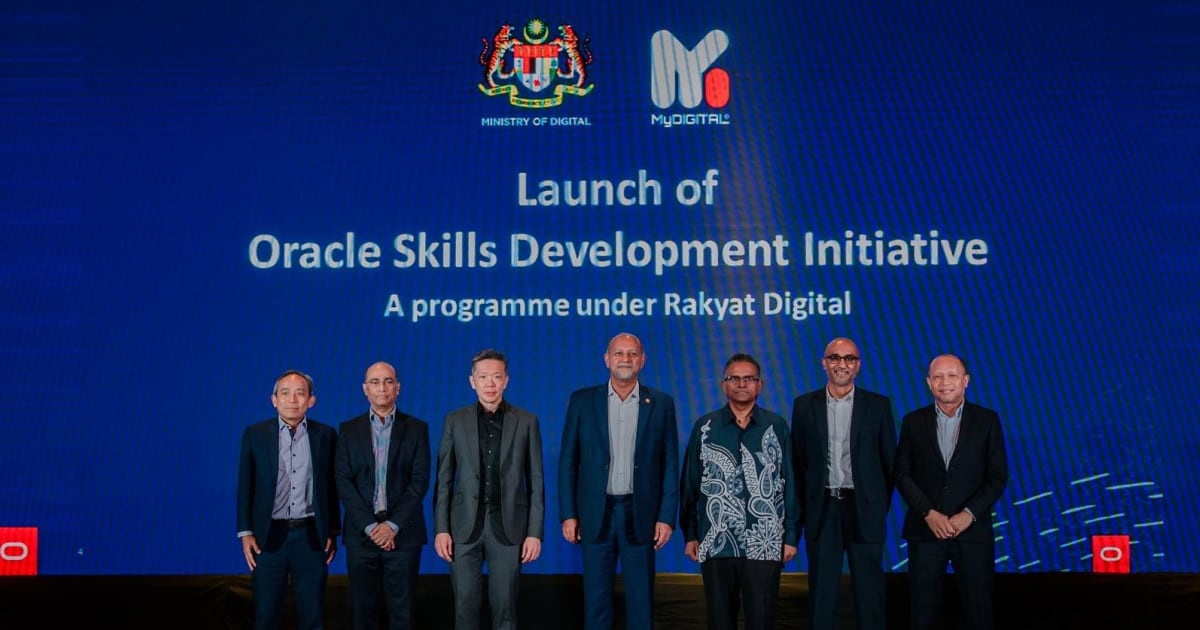
Oracle and MyDIGITAL give Malaysia AI and cloud-skills watchers a training-infrastructure signal to monitor.

AI Governance Week Thailand gives regional enterprise AI governance teams a named, dated event marker to monitor.
FPT and Vietnam AI Olympiad sources give SEA Connect a narrow Vietnam AI education and talent-pipeline signal.
Maxis and AWS give Malaysia enterprise cloud buyers an infrastructure proof point to inspect.
IMDA has named Grab and RSM Stone Forest IT in SME AI and cybersecurity support, with secondary reporting confirming the programme frame while direct partner evidence would strengthen the story.

IMDA and Microsoft have announced an AI safety and security collaboration in Singapore, adding a governance and assurance signal for enterprise AI teams.
MAS single-family-office framework context gives fintech and wealth-tech teams a regulatory item to monitor in Singapore.
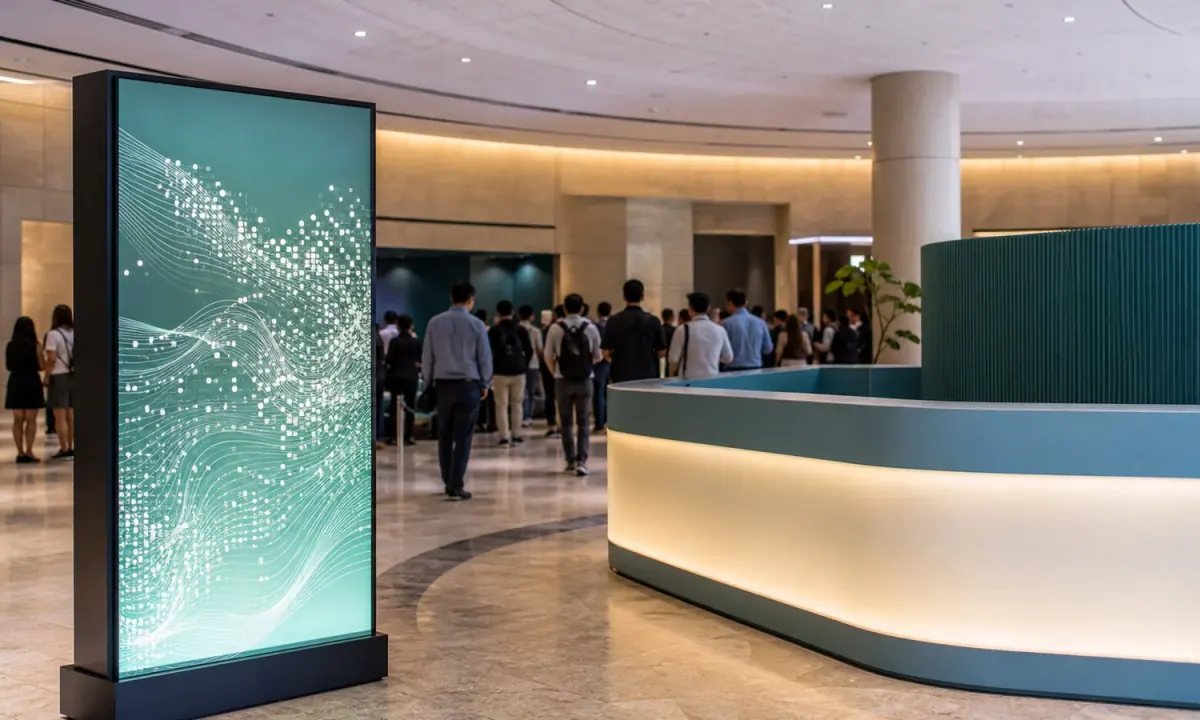
Singapore Data Festival 2026 gives data, AI governance and enterprise-platform teams a dated July event marker, with PDPC and IAPP context showing the privacy, trust and governance lane around it.

EnterpriseSG and IMDA have refreshed Singapore retail digitalisation guidance, creating a commerce-tech and SME operations signal without proving market-wide adoption.
Cybersecurity communication is becoming part of board readiness, not a last-minute crisis response layer.
Climate tech communications now need measurable use cases, buyer evidence and clearer links to disclosure pressure.
Cybersecurity vendors need credible partner ecosystems to scale across Southeast Asia, not just regional appointment announcements.
Cybersecurity trust depends on visible pre-incident proof, not only post-incident response statements.

The more useful fintech story is not whether consumers have wallets. It is whether payment infrastructure reduces friction for merchants, platforms, banks and cross-border users.
Data infrastructure has become a strategic readiness issue for companies operating across Southeast Asia, especially as AI and governance expectations rise.
Regulatory direction increasingly shapes which technology categories can scale across Southeast Asia and what proof buyers expect before adoption.

Retail technology procurement is shifting toward connected journeys, implementation proof and operational fit.
SEA Connect is widening coverage across company newsrooms, event organisers, vertical outlets, partner announcements and public institutions. Strong briefs need a clear source, an identifiable organisation and a reason the update matters beyond a copied announcement.
Get reader-focused coverage of launches, partnerships, policy updates and market moves across Southeast Asia.