
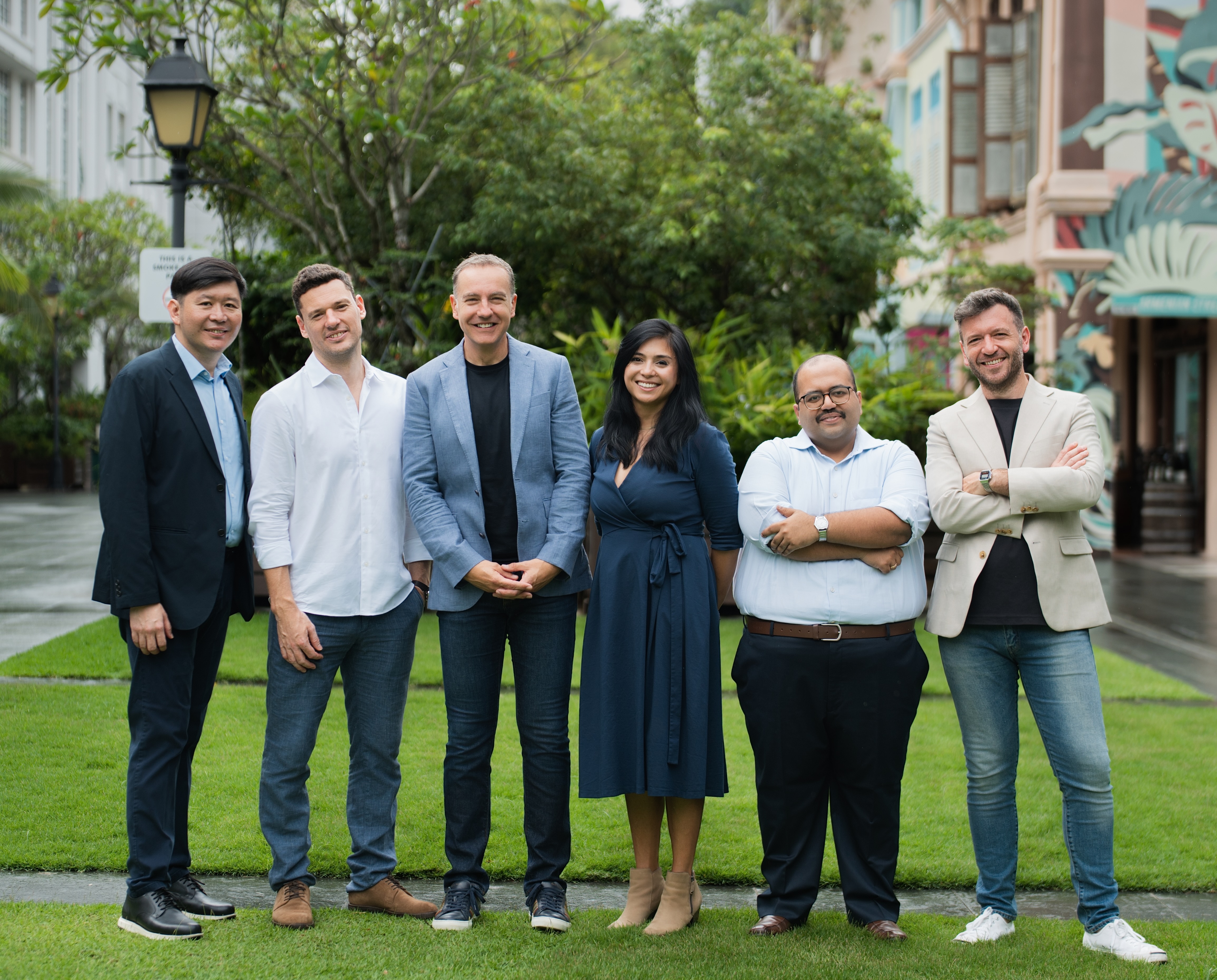
100x100 has launched Fund II with a US$100 million target to create and scale 50 climate companies across Southeast Asia and India. The Singapore-based company builder says its model is to co-build ventures from the ground up rather than invest only in existing startups.
For market-entry teams, the angle is practical: whether those companies can move into real operating settings such as farms, energy systems, industrial sites, logistics networks, buildings and materials supply chains where buyers need lower-cost, lower-emissions solutions.
Start with the portfolio, not the target size
100x100 says its first fund reached a US$60 million hard cap in 2023. Its public materials describe a portfolio across land-use, agriculture, energy, industry, materials and buildings, with examples including rice-methane company Rize and Philippine residential-solar provider Helios.
Those examples make the announcement easier to evaluate. Fund size shows ambition; portfolio companies show where the model is already trying to turn climate themes into operating businesses.
Why it matters for Southeast Asia
The regional need is clear enough. Bain’s Southeast Asia Green Economy 2025 analysis frames the transition around energy security, competitiveness and investable opportunities. The IEA’s Southeast Asia energy-investment analysis points to the scale of capital needed for energy systems in the region.
Climate ventures in this region rarely scale on technology alone. They need customers, local operating partners, project sites, policy awareness and enough operating evidence to show that a solution can work outside a pitch deck.