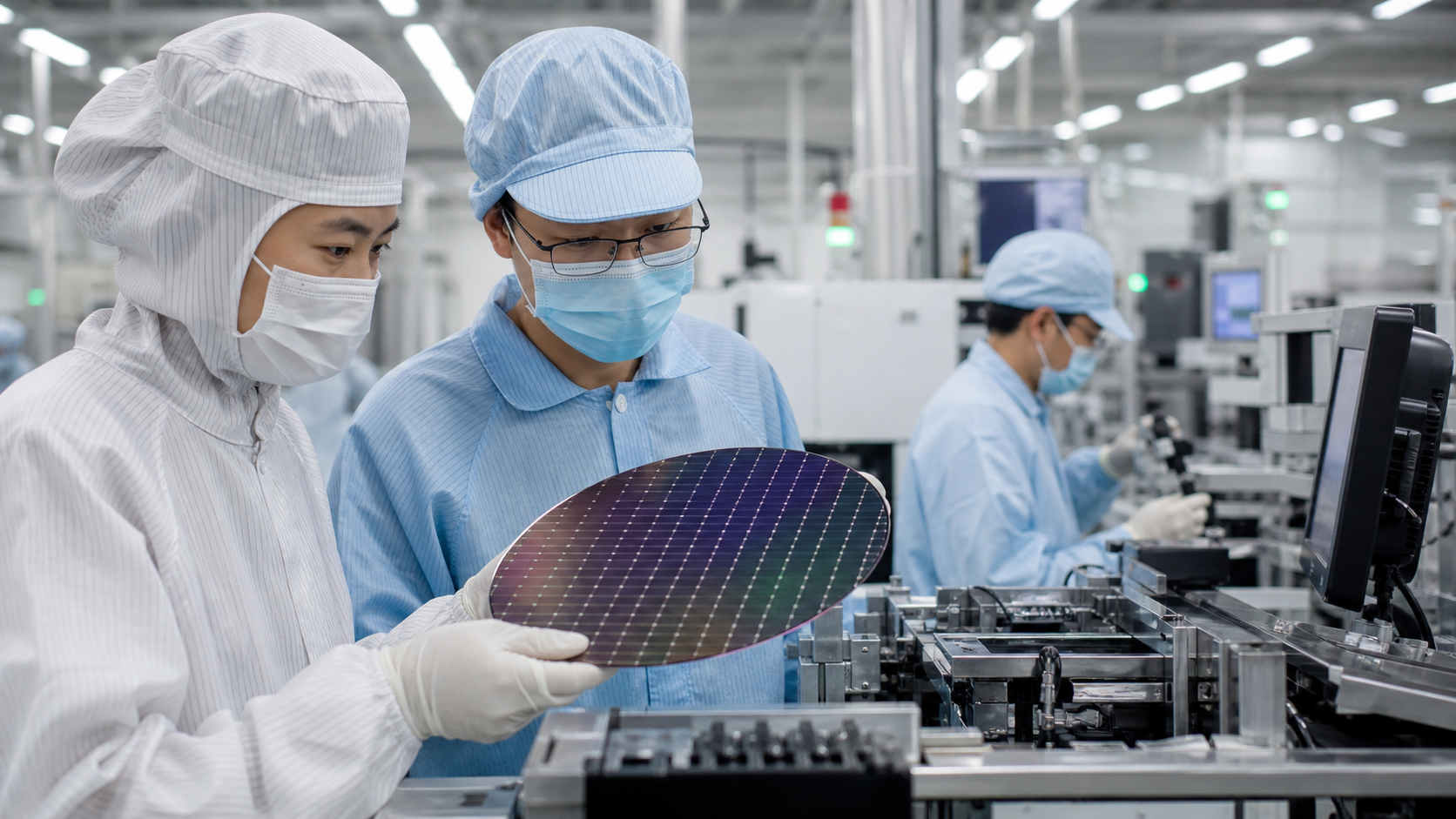
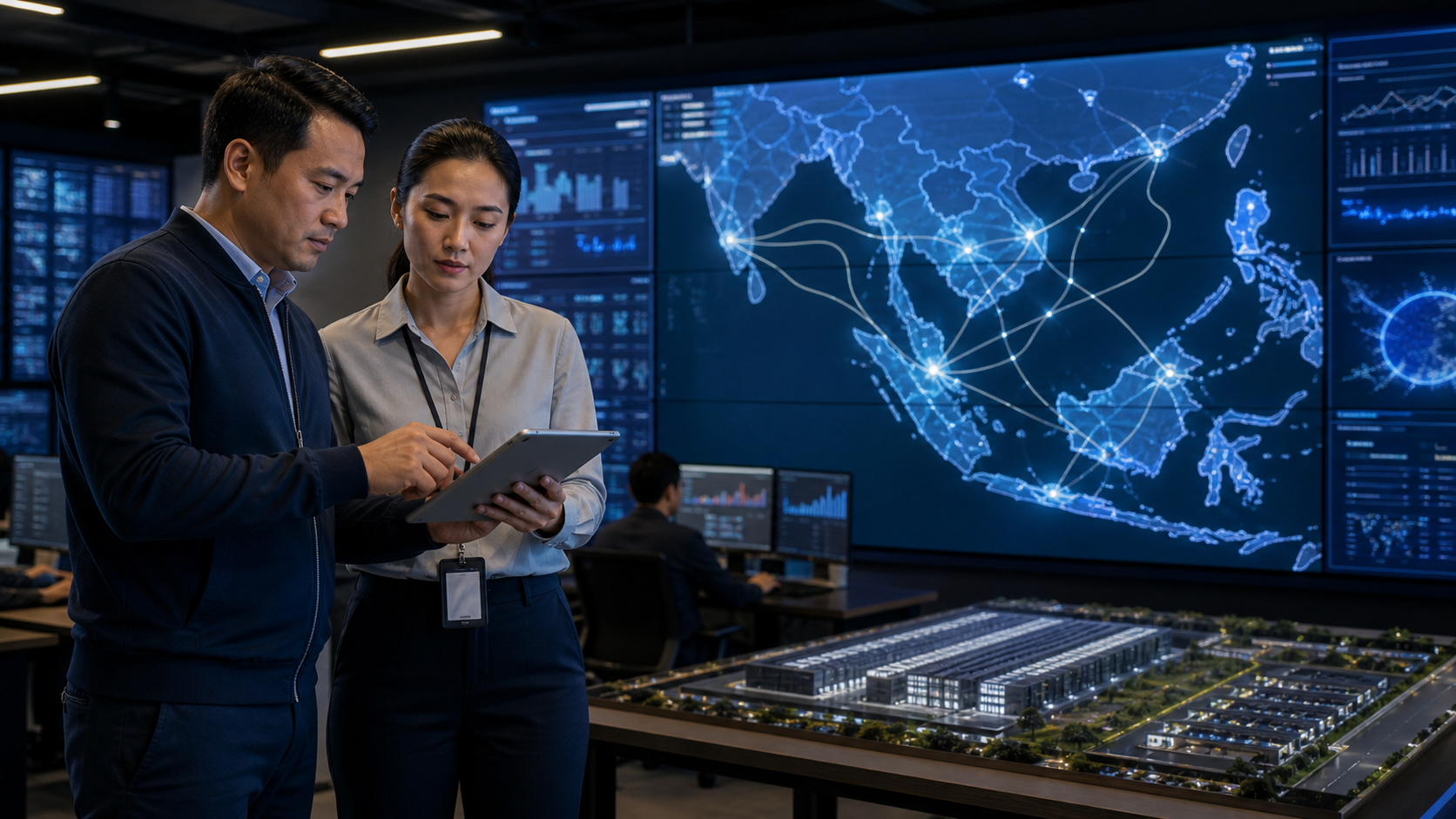
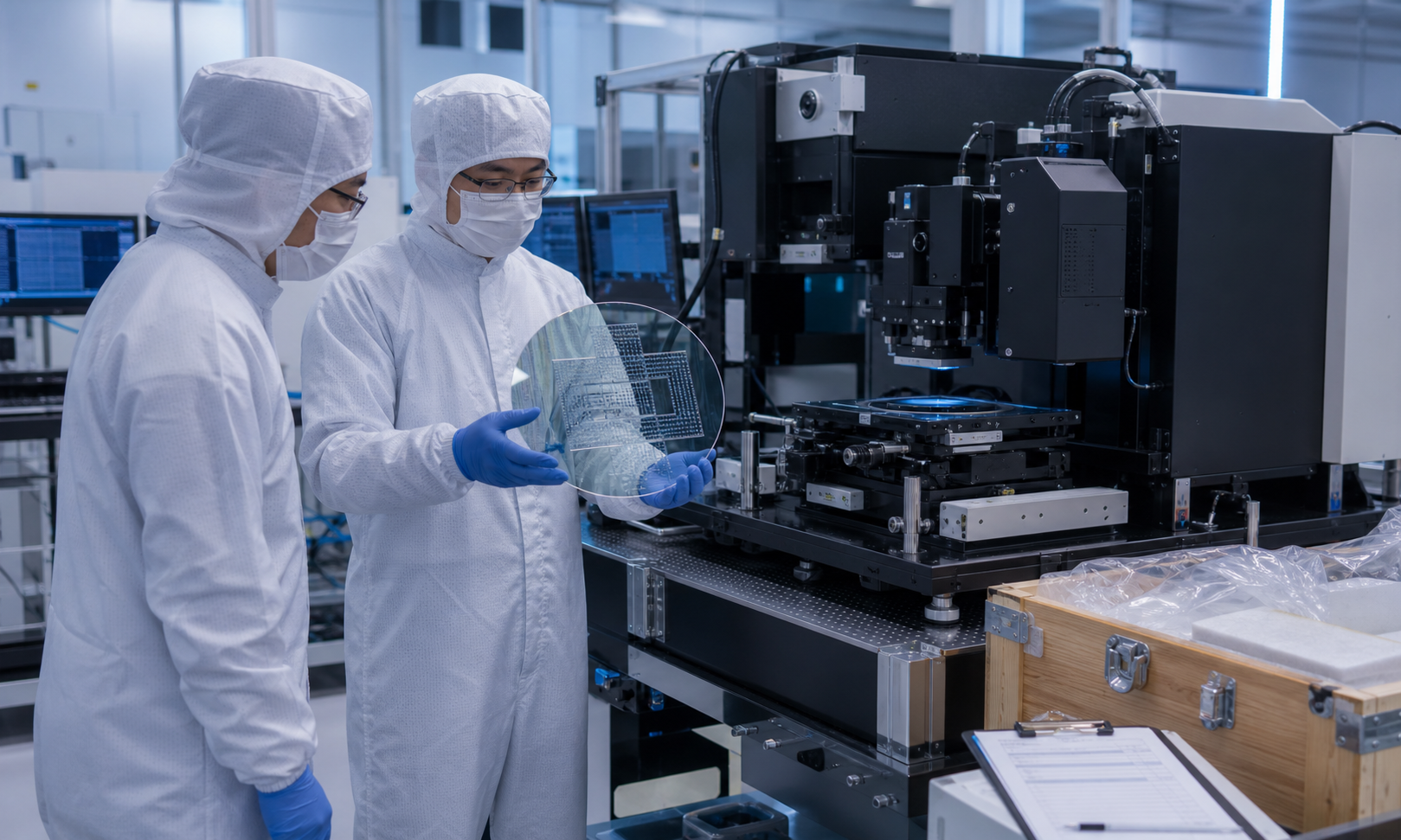
Both countries have entered the World Bank’s upper-middle-income group, but moving towards high-income status will depend on turning semiconductor exports into deeper design, supplier and skills capability.
Southeast Asian companies are reassessing cloud architecture as AI, data sovereignty and operational resilience become board-level infrastructure questions.
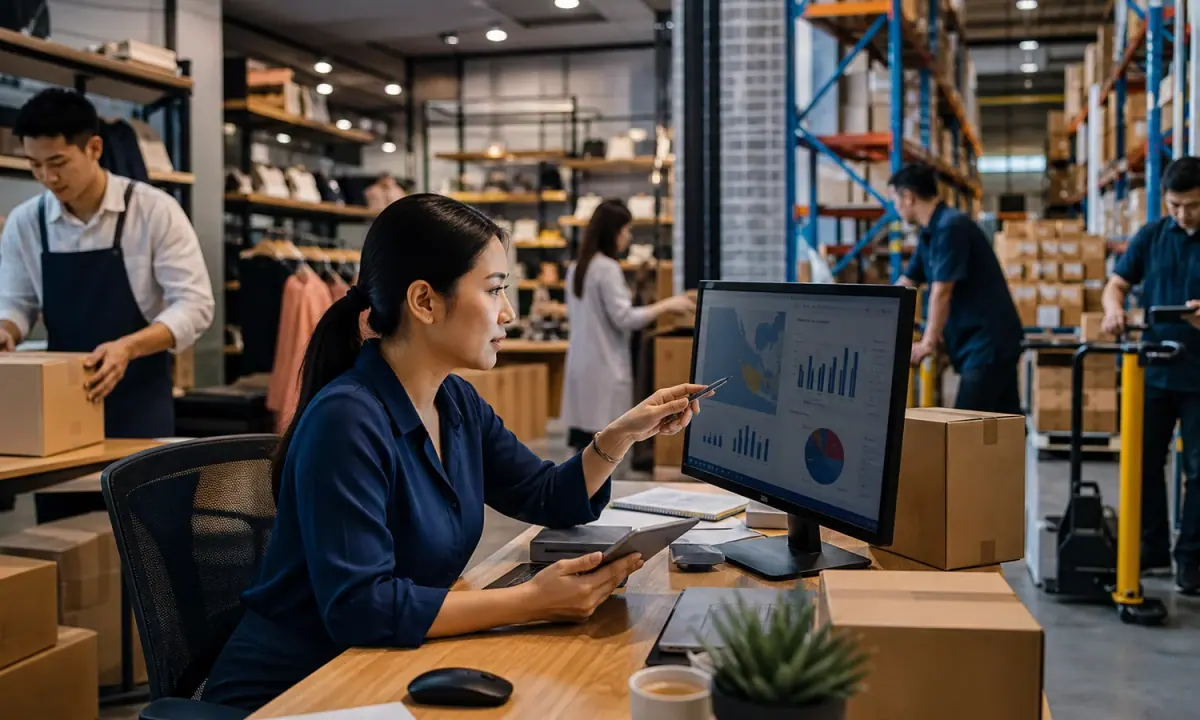
Anchanto’s new commerce-technology study of 408 decision-makers finds that confidence in omnichannel performance is running ahead of operational integration.
Results issued on 6 and 7 August show Singapore banks using fee, wealth, treasury and AI-assisted services as lending margins tighten. The shift matters because these banks provide payments, credit and transaction infrastructure across Southeast Asia.
Why this matters: Singapore’s UOB plans to sell its asset-management arm to an Allianz unit, according to a 5 August Reuters report. UOB Asset Management says it oversees S$42.2 billion across nine Asian markets, making the proposed transfer a regional distribution and operating-model shift; not simply a local divestment.
Why this matters: the US AI-cloud provider says its first Asia-Pacific facilities would add substantial computing capacity in Indonesia. The sites are planned for 2028 and are not yet operating.
The free global registry launches with more than 50 open-source components; for Southeast Asian security teams, the test is whether transparent code and peer support reduce duplicated agent work without weakening review controls.
Why this matters: the World Development Report 2026 says developing economies can gain more from practical, locally adapted AI than from chasing frontier models. Evidence from Thailand, Malaysia, Vietnam, Singapore and the Philippines makes that choice immediate for Southeast Asia.
Why this matters: two August studies show that heat exposure, home design and shared cooling habits shape electricity demand in Singapore, giving Southeast Asian cities a wider operating brief than simply adding more air-conditioners.
A regional adaptation of Lars Voedisch’s 28 July Forbes article, with new Southeast Asian analysis on AI operating models, governance and stakeholder trust.
Why this matters: the regulator’s current directory shows the breadth of Singapore’s licensed digital-asset market, while the activity filter and technology-risk rules define a narrower claim than a count of every crypto business or applicant.
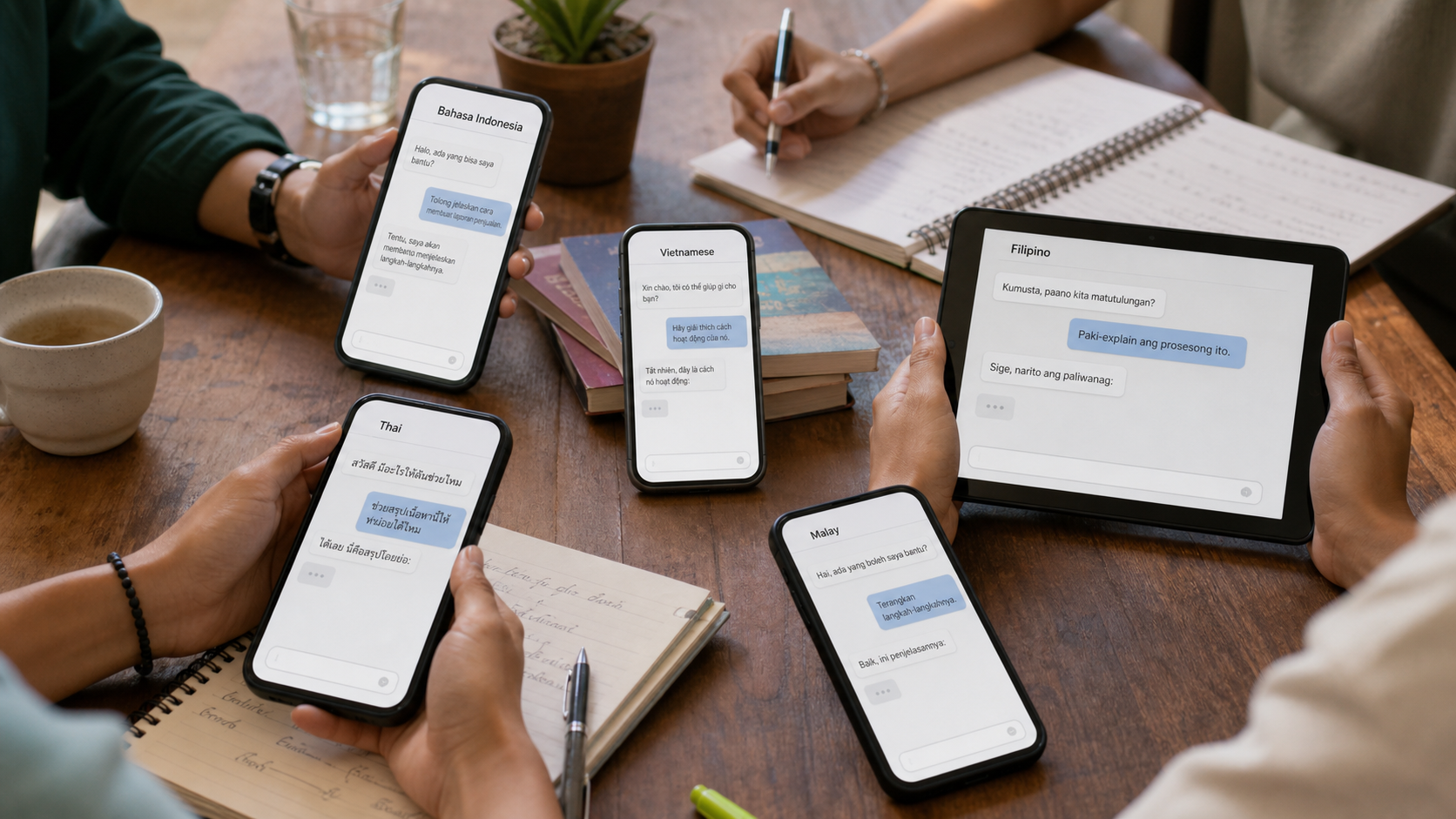
Google’s Gemini Southeast Asia signal points to a wider commercial question: whether AI tools can work reliably in the languages and mixed-language workflows that shape the region.
Ant International has completed an approximately US$1.2 billion Series A round to expand its cross-border payments and enterprise financial technology services.
AppsFlyer’s APAC finance-app data points to a more mature growth question for banks, wallets and fintech platforms: what happens after the first download?
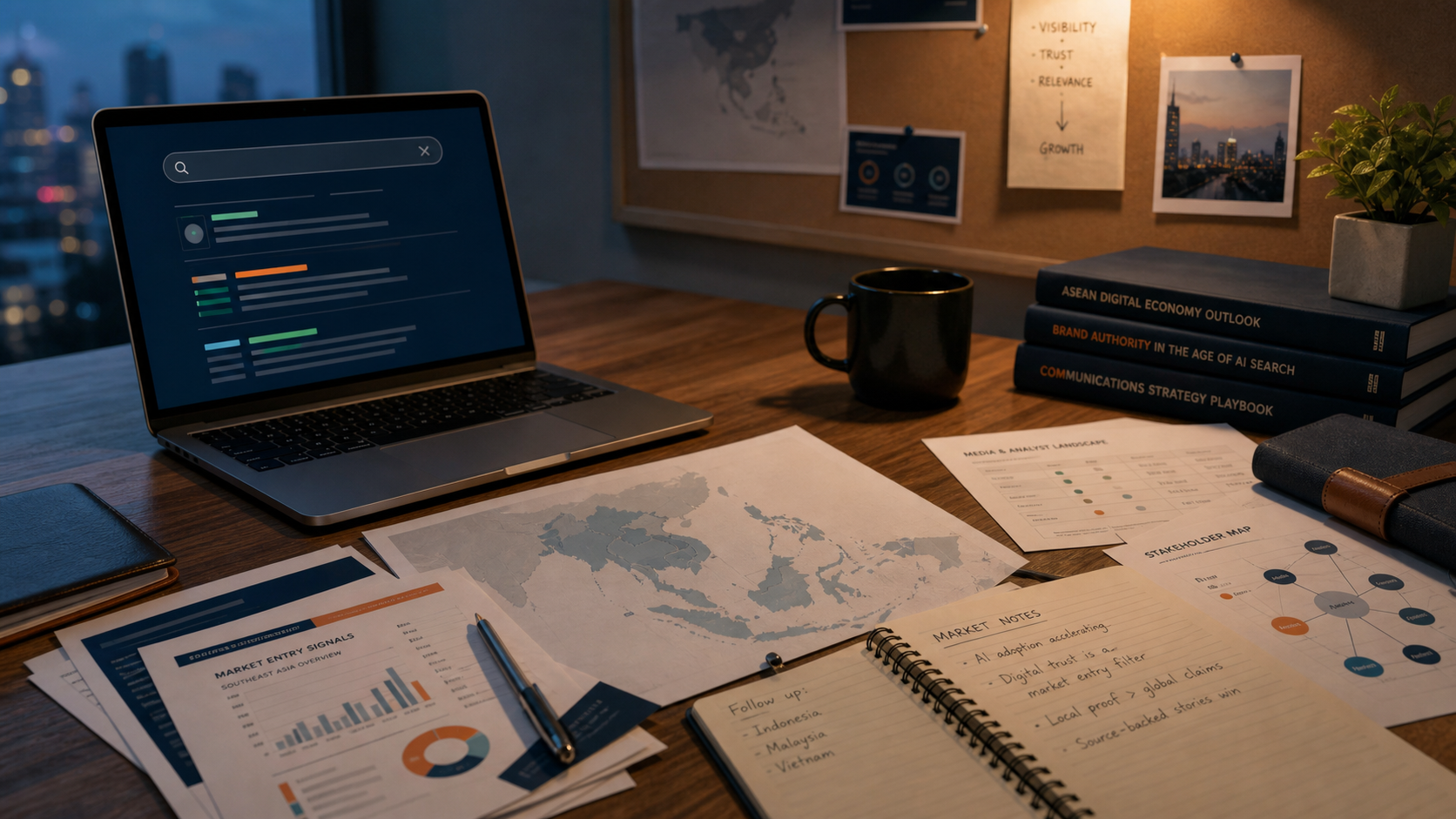
A Forbes-adapted SEA Connect checklist on why public evidence now matters for brand authority, market entry and AI-mediated discovery across Southeast Asia.
Thought leadership can support AI-search visibility only when it is backed by source depth, specific expertise and useful evidence that can be understood beyond the article itself.
Chow Tai Fook’s new-format stores in Singapore and Bangkok show how Southeast Asia can serve as a practical test market for Chinese luxury brands expanding abroad.
Singapore has attracted more than 70 AI centres. The stronger test is whether they build local research, engineering, product and deployment capability.
Why this matters: IMDA says AI adoption among Singapore SMEs rose from 4.2% to 14.5% in one year. Its first SME AI Impact Awards close on 14 August, shifting the immediate test from experimentation to measurable business outcomes.
Why this matters: Mastercard has completed authenticated transactions in Singapore and Malaysia, while Visa is running controlled issuer tests across the region. The evidence supports payment-authorisation progress; not a claim that AI agents already cut cross-border costs.