
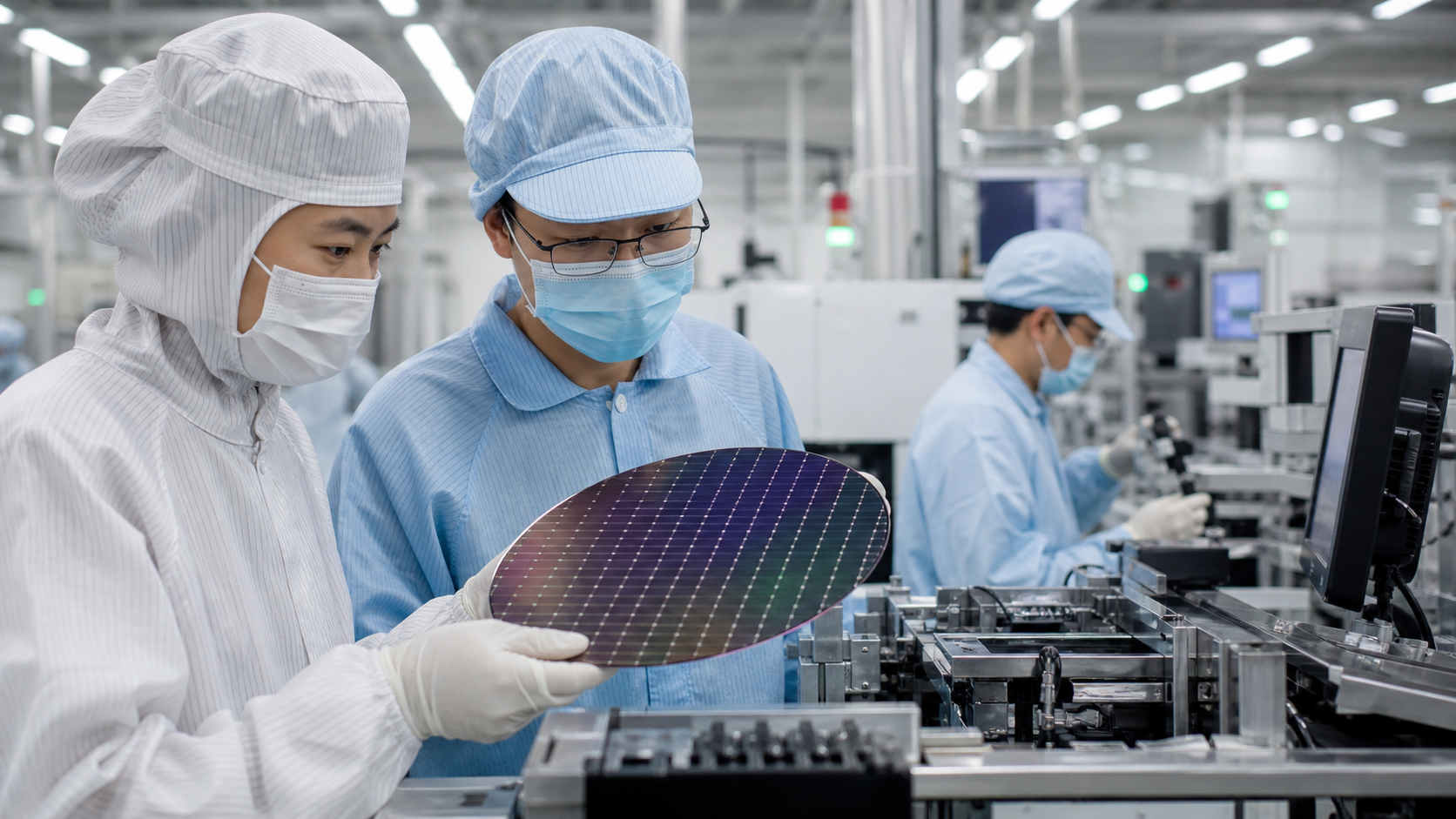
Vietnam and the Philippines have both moved into the World Bank’s upper-middle-income group as semiconductor exports become a larger part of their growth story. The commercial question is whether each country can retain more design, engineering and supplier value rather than relying mainly on assembly.
The World Bank’s current threshold for high-income status is above US$14,375 in gross national income per person. Vietnam reported US$4,970 for 2025, while the Philippines reported US$4,850. Both are therefore at the start of a longer climb, not close to automatic graduation. World Bank Government of Vietnam
Electronics exports provide a strong base. The World Bank described AI-related electronics as a bright spot for both countries in 2025, alongside Malaysia and Thailand. But export growth creates durable productivity only when local firms gain technical capability, workers move into higher-value roles and suppliers win repeat contracts.
Vietnam has set a target to train 50,000 semiconductor engineers and high-quality AI specialists by 2030. The Philippines has a long electronics-manufacturing base and now needs more investment in technology adoption, skills and domestic supplier depth.
Readers should watch the share of local engineering work, supplier qualification, research partnerships and wages, not only headline export totals. Those measures will show whether the chip boom is changing the structure of each economy.
Source note
The World Bank classifies both countries as upper-middle-income economies for fiscal year 2027. High-income status remains far above their current per-person income, so semiconductor growth is an opportunity rather than a guarantee.