
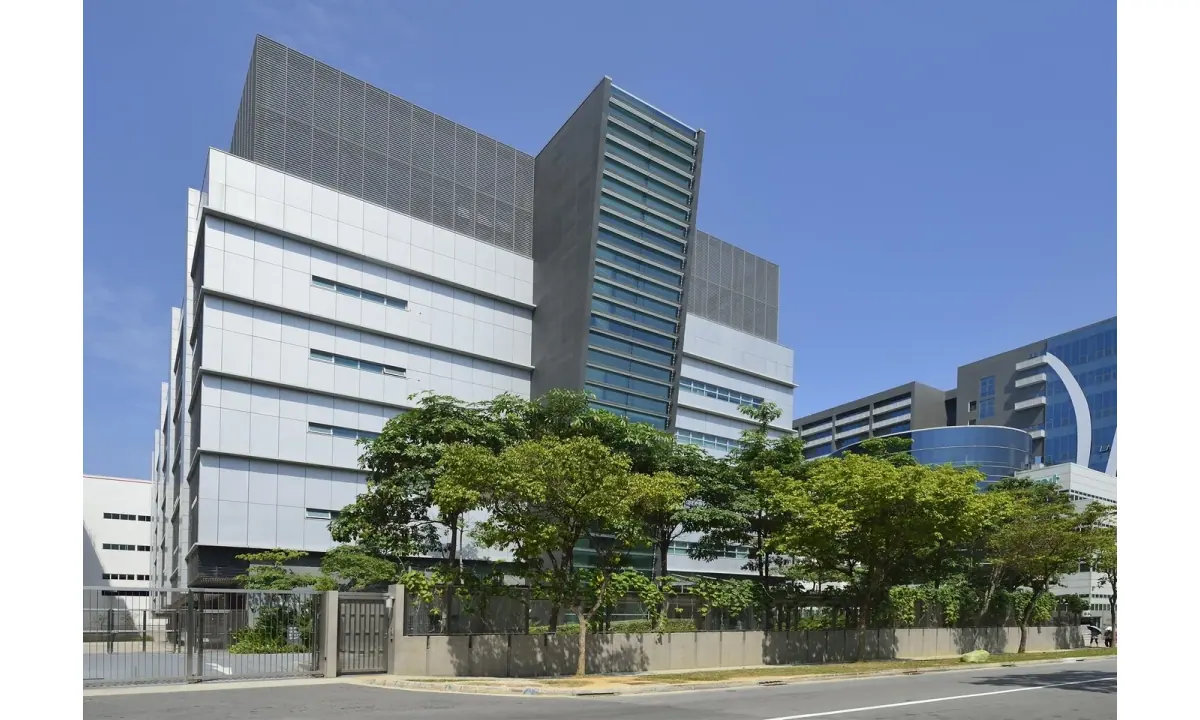
Agoda and NTT DATA have detailed changes to the travel platform's Singapore data-centre operations that combine renewable-energy certificates with reductions in server and cooling power. The companies' account is useful because it moves beyond a broad sustainability pledge and describes where the operational savings are being made.
The update, published on 26 August, covers eligible Agoda infrastructure hosted at an NTT Global Data Centers facility in Singapore. Agoda says the electricity used by those systems is matched with locally generated renewable-energy certificates. The facility itself holds BCA Green Mark Platinum and LEED Gold certifications. Agoda via PR Newswire
The more concrete part of the announcement is the work inside the data hall. Agoda says dynamic power management lowered energy use by up to 16 per cent for eligible workloads by allowing servers to draw less power when they did not need full processing capacity. It also reports an approximately 40 per cent reduction in cooling-related energy use per eligible server after adjusting fan speeds rather than running them continuously at maximum.
Those figures are based on Agoda's internal 2026 measurements. They should not be read as an independently audited reduction across the company's entire technology estate. The release does not state the number of servers covered, the baseline electricity consumption, the period over which the comparison was made or the absolute emissions avoided.
Even with those limits, the project points to a practical issue for Southeast Asia's digital economy. Online platforms depend on computing capacity that must remain available through peaks in searches, bookings and payments. As those services grow, efficiency gains in servers and cooling can reduce the energy required for each unit of computing without asking users to accept weaker performance.
NTT DATA's role adds a second operating layer. The infrastructure provider manages facility-level airflow and cooling, while Agoda can tune the behaviour of its own hardware and workloads. That division of responsibility matters because data-centre efficiency is not delivered by one technology purchase. It depends on cooperation between the company running the application and the operator managing power, cooling and physical capacity.
Singapore is a relevant test bed for that model. It is a regional hub for cloud and digital services, but dense urban infrastructure and a warm climate make power and cooling efficiency commercially important. The collaboration shows how a consumer platform can treat its underlying infrastructure as part of its innovation agenda, rather than as an invisible cost centre.
The next evidence to assess will be broader coverage and absolute results: how much of Agoda's Singapore estate becomes eligible, whether the reductions persist as workloads change, and whether the approach is extended to other facilities. For now, the announcement provides a bounded example of operational technology being used to make regional digital infrastructure more efficient.
Agoda's reported reductions show how workload management and facility cooling can be addressed together in Singapore. The disclosed figures apply only to eligible infrastructure and remain company-reported rather than independently audited.
What we checked
Agoda via PR Newswire; NTT DATA.
Editorial limits: the percentage reductions are Agoda's internal measurements for eligible workloads and servers. The announcement does not provide estate-wide coverage, an independent audit, absolute energy use or avoided-emissions figures.
Image credit: Agoda via PR Newswire.