
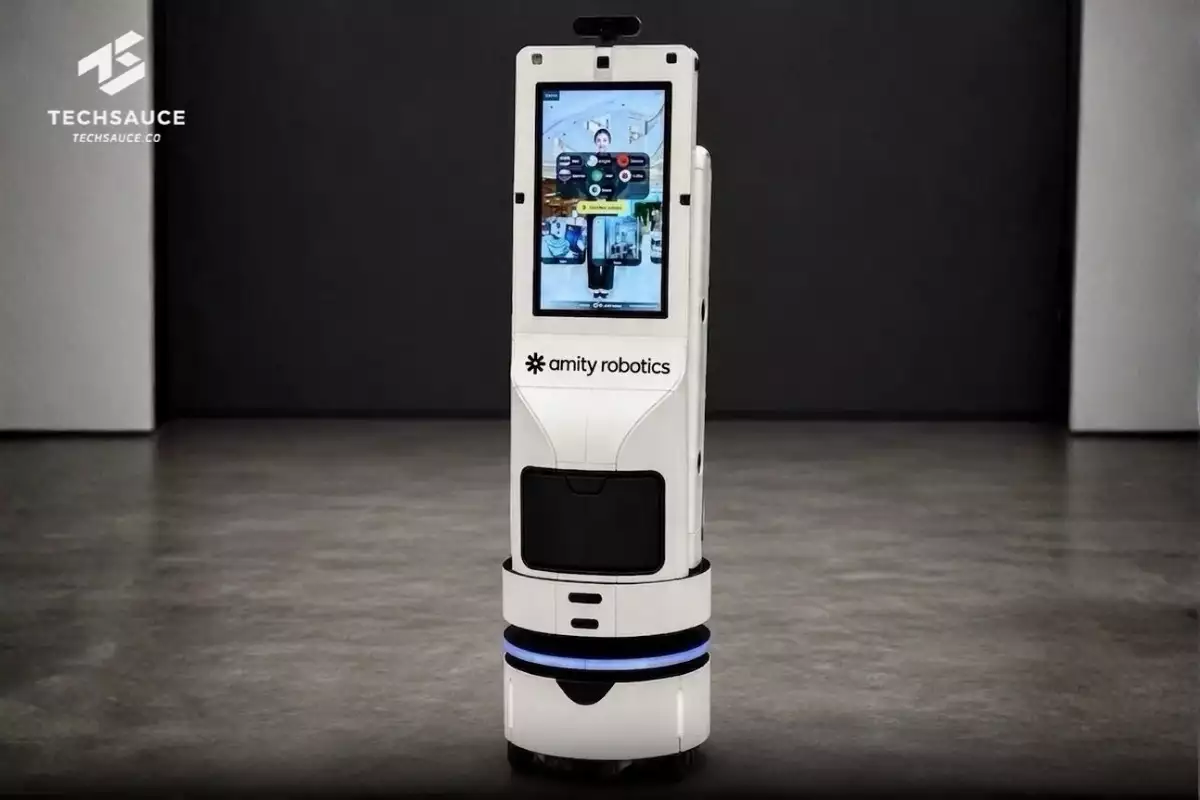
Thailand-based Amity Robotics has raised US$7 million in seed funding, according to regional technology and investment coverage. The round matters because the story is not just another software funding item: it puts customer-facing robotics, malls and hotels into the Southeast Asia AI startup conversation.
What Amity Robotics raised
TechNode Global and DealStreetAsia both report that the round combines equity and debt financing, with East Ventures anchoring the equity portion, 500 Global participating and AlteriQ Global leading the debt portion. Techsauce also reports the round and describes ARC Base as a static AI concierge kiosk used in properties across multiple markets. TechNode Global report on Amity Robotics seed round DealStreetAsia report on East Ventures and Amity Robotics Techsauce report on Amity Robotics seed round
The customer examples are useful, but they need to stay attributed. The reports cite deployments across malls and hotels, including names such as Pavilion KL, Siam Piwat, The Mall Group, Pacific Place Jakarta and hotel groups including IHG, Accor and Shangri-La. Those examples support buyer-proof context, not a claim that the category has broadly scaled.
Why physical AI matters
Physical AI is a stronger operating signal when it shows up in venues where people actually ask questions, navigate buildings or request service. That makes the Amity Robotics story more concrete than a generic AI startup announcement, especially for retail, hospitality and airport-style environments.
For Southeast Asia readers, the useful question is whether physical AI companies can move from demos and pilots into repeat deployments across markets. The funding round gives Amity Robotics more room to try, but customer outcomes, utilisation, service quality and unit economics remain separate proof layers.
What expansion proof to watch
The next stronger evidence would be named customer case studies, renewal or expansion data, deployment counts by market, and public details on how the mobile ARC Move product performs once it leaves the announcement stage.