
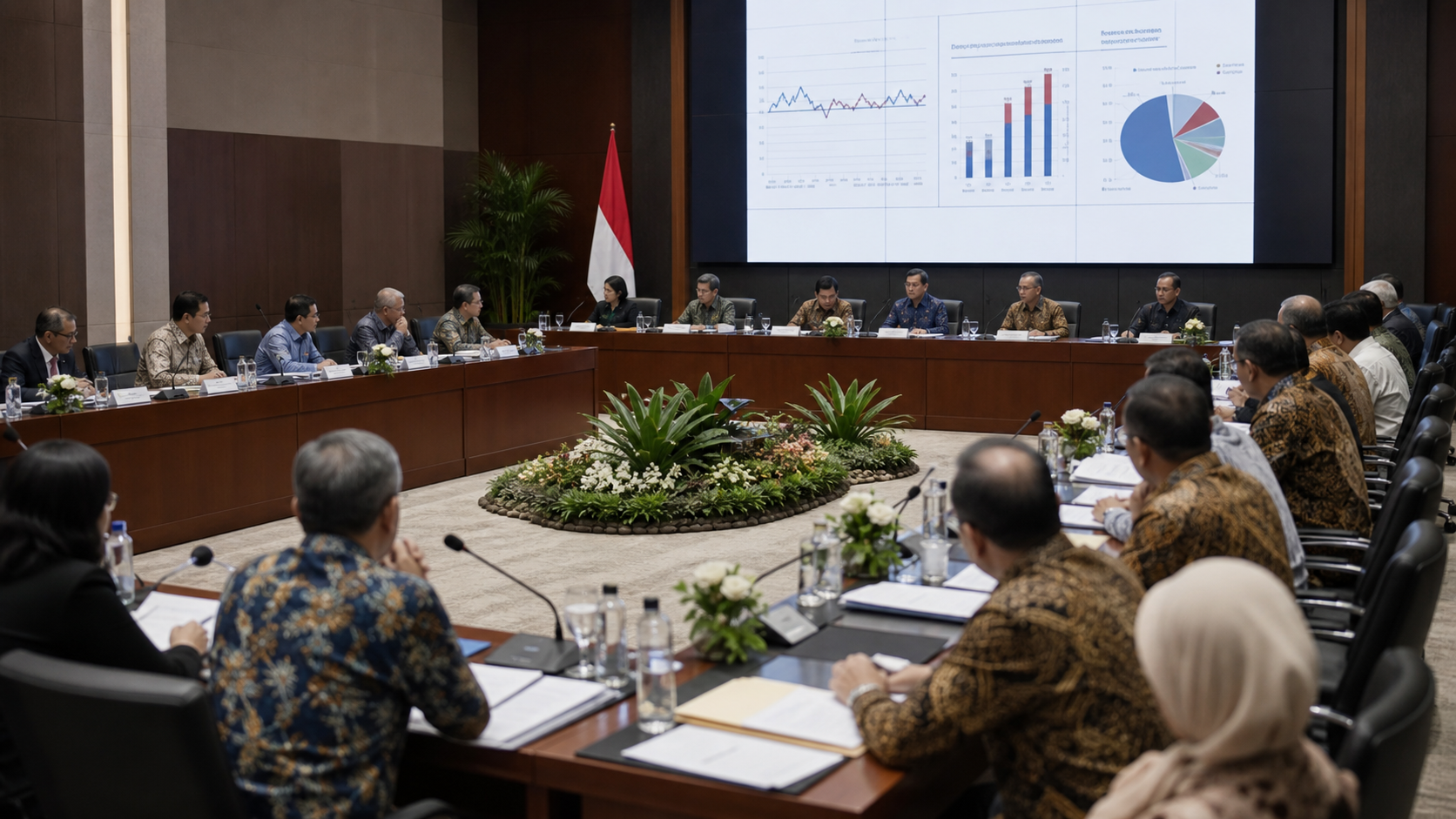
Indonesia’s smallholder farmers manage 41 percent of the country’s oil palm plantations, according to the Plantation Fund Management Agency, or BPDP. The agency said that share highlights the central role of smallholders in the industry and challenges the perception that palm oil production is dominated by large corporations. The remarks were delivered by BPDP Director of Finance, General Affairs, Compliance and Risk Management Zaid Burhan Ibrahim during a media briefing on the sustainable palm oil industry in Pangkalan Bun, Central Kalimantan, on Wednesday.
Zaid said smallholders are vital to Indonesia’s palm oil supply chain. He said people often see palm oil only through the lens of large companies, even though BPDP data show that 41 percent of the national palm oil industry is managed by communities. He added that smallholders are not a peripheral part of the sector but key actors in the national palm oil supply chain. ANTARA News Agency
According to BPDP, smallholder plantations are spread across major producing regions, including Aceh, North Sumatra, Riau, South Sumatra, Kalimantan and Sulawesi. These plantations generate more than 16 million tons of palm oil annually, while productivity continues to improve. Zaid also said the contributions of smallholders and corporate producers extend beyond plantation output to support broad economic activity across the palm oil value chain.
BPDP said the palm oil industry employs about 16.5 million people across plantations, logistics, transportation, trade, processing industries, and micro, small and medium-sized enterprises. Zaid said that makes palm oil one of Indonesia’s largest sources of jobs. He also said that in major producing regions, palm oil investment has supported infrastructure development, created new economic centres and strengthened regional economic growth.
Framing the sector as a livelihood issue as well as an industrial one, Zaid said that talking about palm oil means talking about the welfare of millions of Indonesians. He stressed that the industry’s long-term sustainability depends on the continued participation and productivity of smallholders. Taken together, BPDP’s message was that community growers are deeply embedded in Indonesia’s palm oil economy through land management, production, employment and regional development.
Source note
Read the official announcement for the underlying details.