
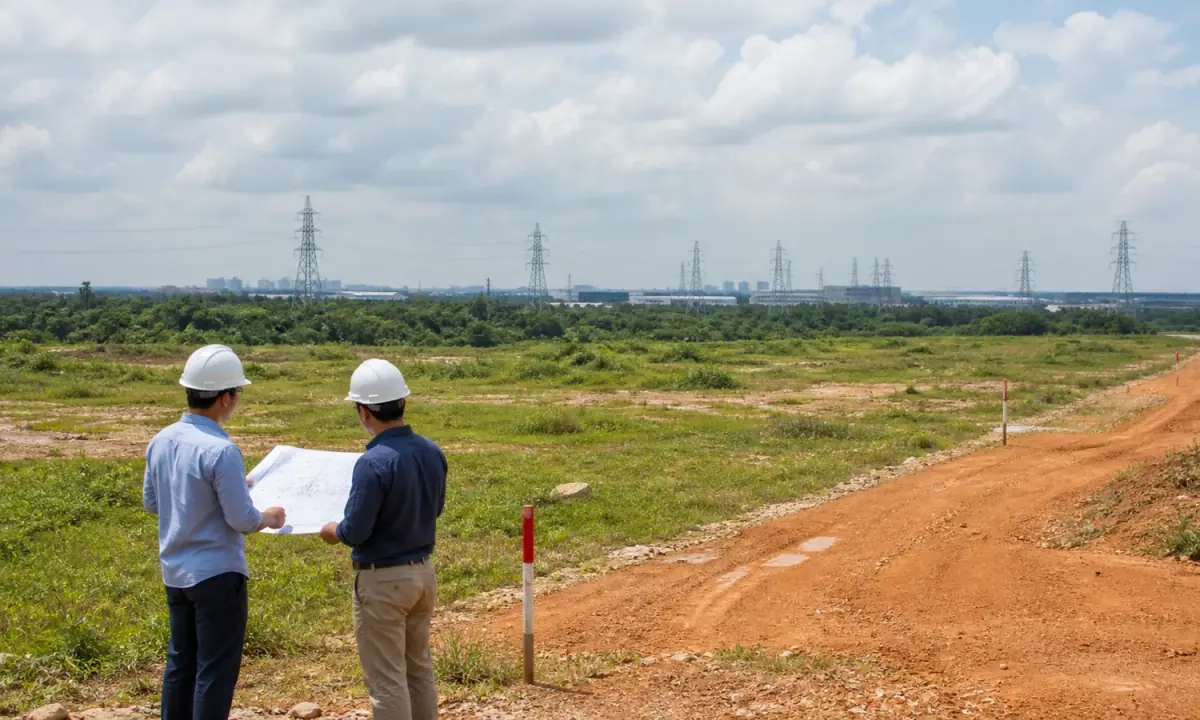
Singapore-headquartered data-centre operator DayOne has taken a concrete step towards another Malaysian site through a conditional agreement to acquire 78.8 acres of freehold land in Southville City, Selangor. The proposed consideration is RM617.86 million, according to reports based on Mah Sing Group’s Bursa Malaysia disclosure.
The buyer is WG Malaysia X, identified as a DayOne subsidiary. The land is intended for data-centre development, but the transaction is not yet a completed acquisition and no operating facility has been delivered. The agreement remains subject to conditions and approvals, with completion expected in the second half of 2027. Bernama
That distinction is central to the story. A signed conditional sale and purchase agreement establishes a site, price and intended use; it does not establish power availability, planning approval, construction start, commissioned capacity or customer demand. Those later milestones determine whether land converts into productive digital infrastructure.
The location nevertheless makes the deal commercially relevant. Southville City sits in the wider Klang Valley growth corridor, giving a prospective operator access to Malaysia’s largest concentration of enterprise demand, connectivity and supporting services. The parcel’s scale also signals that DayOne is planning for a substantial campus rather than a small edge deployment.
Malaysia has become one of Southeast Asia’s most active data-centre markets as operators seek capacity beyond Singapore and buyers look for regional resilience. Land is only one constraint in that expansion. Grid connection, water strategy, planning consent, equipment lead times, skilled operations teams and network diversity all shape the pace and sustainability of a project.
For Mah Sing, the disposal converts a defined part of its land holdings into a transaction with a digital-infrastructure buyer. For DayOne, the agreement adds a potential Selangor development position to its regional operating footprint. Neither side’s strategic rationale substitutes for evidence that the site will clear its conditions and reach construction.
The cluster of reporting is unusually specific on the measurable commitment: 78.8 acres, RM617.86 million and a targeted completion window. Those common details support the bounded transaction account, while differences in broader corporate framing have been excluded from the core claim.
The next evidence to watch is the satisfaction of transaction conditions, regulatory and planning approvals, a secured power pathway, the disclosure of designed capacity, construction milestones and an eventual commissioning schedule. Until those steps are documented, the correct description is a conditional land acquisition for intended development, not a new data centre already under way.
If the project advances, its wider test will be whether new capacity strengthens Malaysia’s digital economy without shifting infrastructure pressure onto constrained power and water systems. Public evidence on efficiency, renewable-energy procurement and local supplier or workforce participation would make the development signal more meaningful than land scale alone.
What we checked
Bernama; Data Center Dynamics; Mingtiandi.