
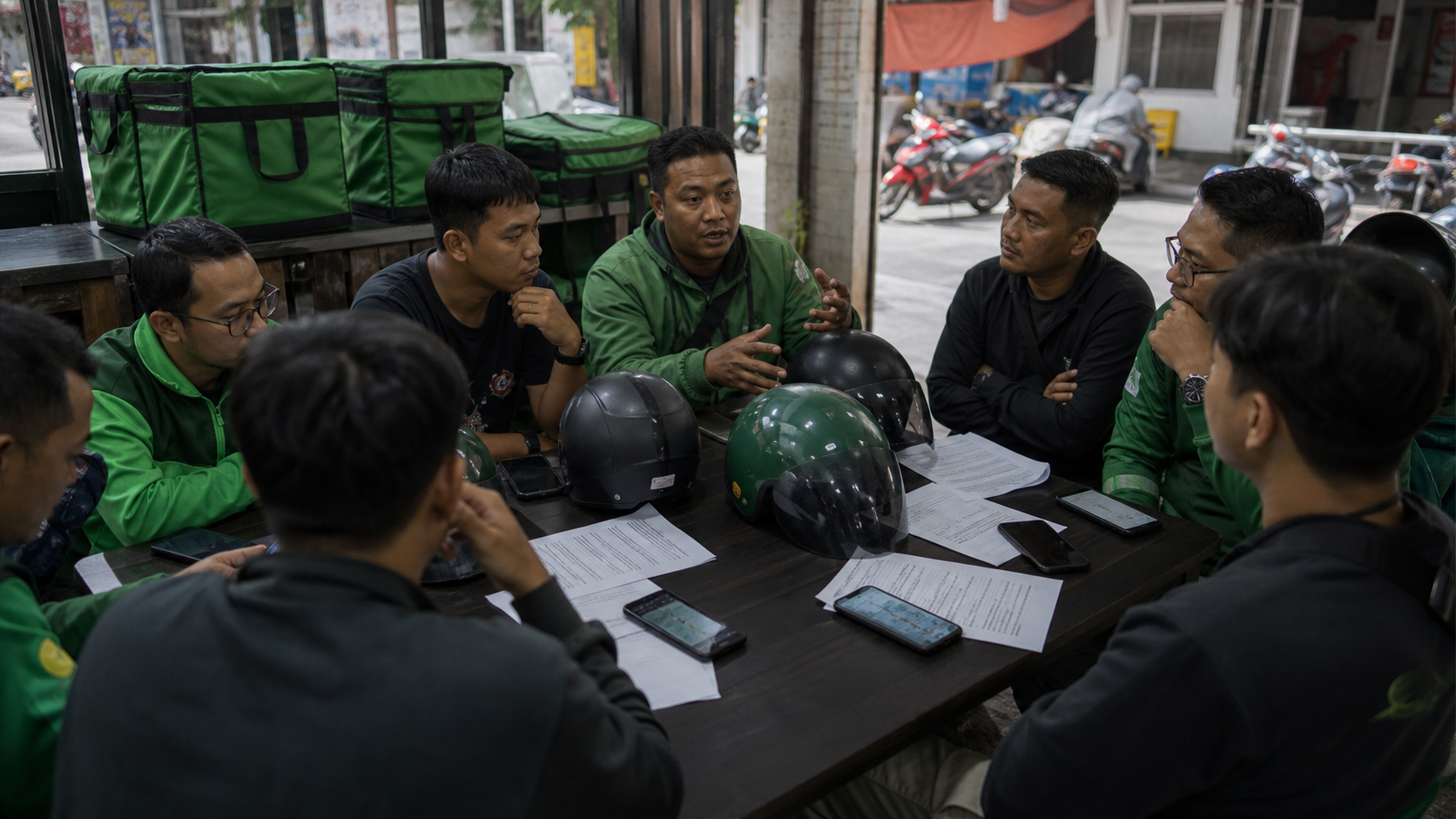
Grab is positioning delivery-partner commitments as part of the path toward its proposed acquisition of foodpanda Taiwan, shifting the story from a transaction announcement into an execution and approval test.
What changed
In a July 21 statement, Grab said it welcomed support from 18 major labour unions and was aligned with their expectations. The company said its proposed acquisition of foodpanda Taiwan remains subject to regulatory approvals and other closing conditions. Grab statement
Grab said that if the transaction receives regulatory approval, it plans to implement four commitments requested by the unions: onboarding eligible delivery-partners, complying with Taiwan’s Delivery Service Act, respecting platform choice and setting regular engagement channels with labour unions.
Why it matters
For Grab, the useful point is not only that it still wants to move ahead with the foodpanda Taiwan deal. Labour engagement, transition support and local compliance have become part of the transaction narrative before closing.
That matters for platform operators and investors across Southeast Asia because delivery-market consolidation is increasingly judged on execution risk as much as market share. Regulators, merchants and rider groups can shape whether a transaction is seen as scale-building or as a risk to platform choice and working conditions.
What to watch
The next test is regulatory approval and the detail of any transition plan if the transaction proceeds. The strongest follow-up evidence would be concrete onboarding terms, delivery-partner retention measures, merchant migration details and how Grab reports engagement with unions after closing.
Source note
SEA Connect based this brief on Grab’s public statement and kept the article to the proposed foodpanda Taiwan acquisition, stated approval conditions and delivery-partner commitments described by the company.