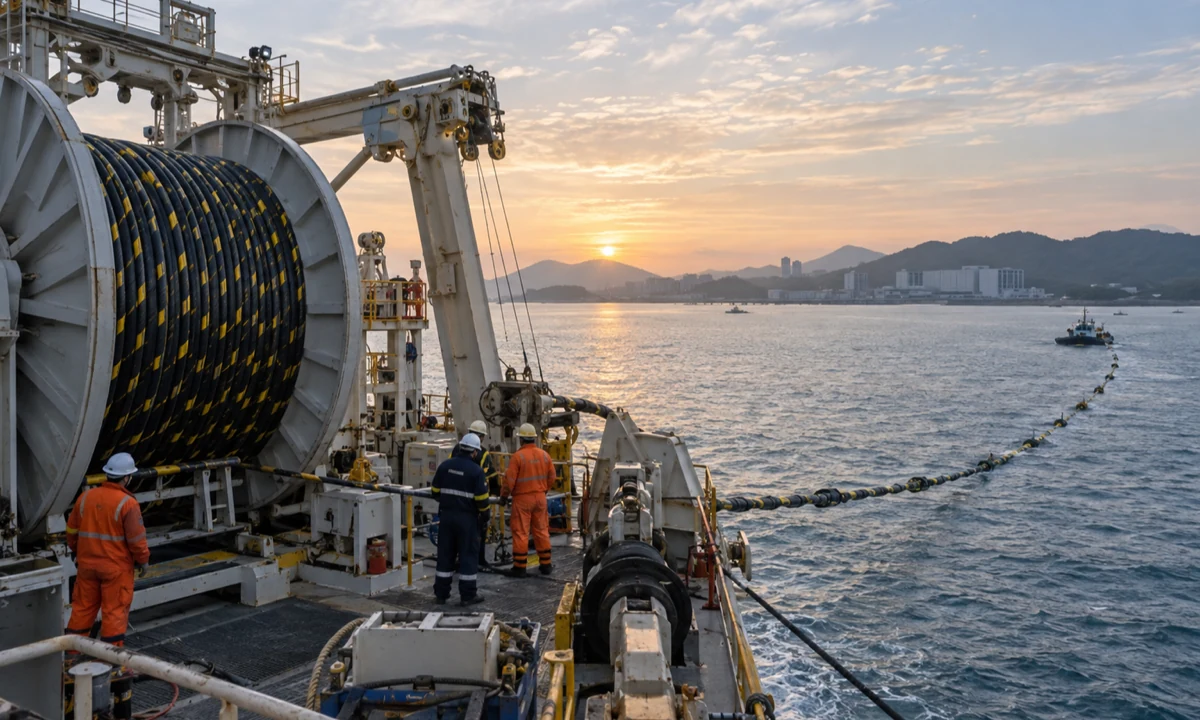
Gulf Development and Singtel have formed a partnership to develop and invest in subsea cable assets between Thailand and Singapore, naming the planned Vietnam-Thailand-Singapore Cable System as their first initiative. The companies say VTS is expected to become operational by 2030, so the announcement describes a development programme rather than a cable already carrying traffic.
The partnership brings Gulf’s infrastructure and digital-business portfolio together with Singtel’s submarine-cable experience. Gulf and Singtel say capital requirements will be spread across several years. They did not disclose the partners’ equity shares, total project cost, cable capacity, route length, landing sites or supplier contracts in the announcement.
VTS is intended to create a new subsea link through Vietnam, Thailand and Singapore. Singtel Singapore and Gulf associate AIS are expected to support development and commercialisation using their connectivity capabilities and customer reach. The release does not say whether either operator has committed traffic volumes or whether construction and regulatory approvals have been completed.
What the announcement establishes
The project is relevant because Thailand is attracting data-centre, cloud and digital-platform investment, while Singapore remains a major regional connectivity gateway. More route diversity can reduce dependence on a limited number of international paths and give cloud providers, enterprises and network operators additional options. The actual resilience benefit, however, will depend on the final route, landing points, backhaul design and how independently VTS is engineered from existing systems.
The 2030 target also places the announcement on a long delivery horizon. Subsea cable projects require marine surveys, permits, system design, manufacturing, vessel schedules, landing infrastructure and commercial commitments before service begins. Gulf and Singtel have announced an investment platform and a first project, but they have not yet provided enough detail to assess schedule risk or likely capacity.
The partners already collaborate in Thailand across telecommunications and data centres. That existing relationship may help align cable investment with local network and computing demand. It does not guarantee the economics of VTS: operators will still need sufficient contracted demand and competitive wholesale pricing to support the capital programme over time.
What to watch next
The companies also said they may consider terrestrial cable systems and other subsea investments. That is a statement of possible future scope, not a committed pipeline. For regional buyers, the near-term questions are narrower: whether VTS reaches financial and regulatory milestones, where it lands, and which networks or cloud customers sign capacity commitments.
This dated coverage preserves the 10 September source-event date because the material development is the partnership and planned first initiative, not a new 17 September event. The next credible milestones would be ownership and financing details, construction awards, route and landing disclosures, and a firmer readiness timetable ahead of the stated 2030 service target.
Route diversity is valuable only when the new system avoids the same physical and operational points of failure as existing links. The announcement does not identify branching units, terrestrial backhaul or restoration agreements. Those design details, together with committed capacity and landing-station readiness, will determine whether VTS adds practical resilience for regional customers.
Source note
SEA Connect based this report on Gulf Development’s public announcement. Company targets, forecasts and planned milestones remain attributed disclosures unless independently verified.