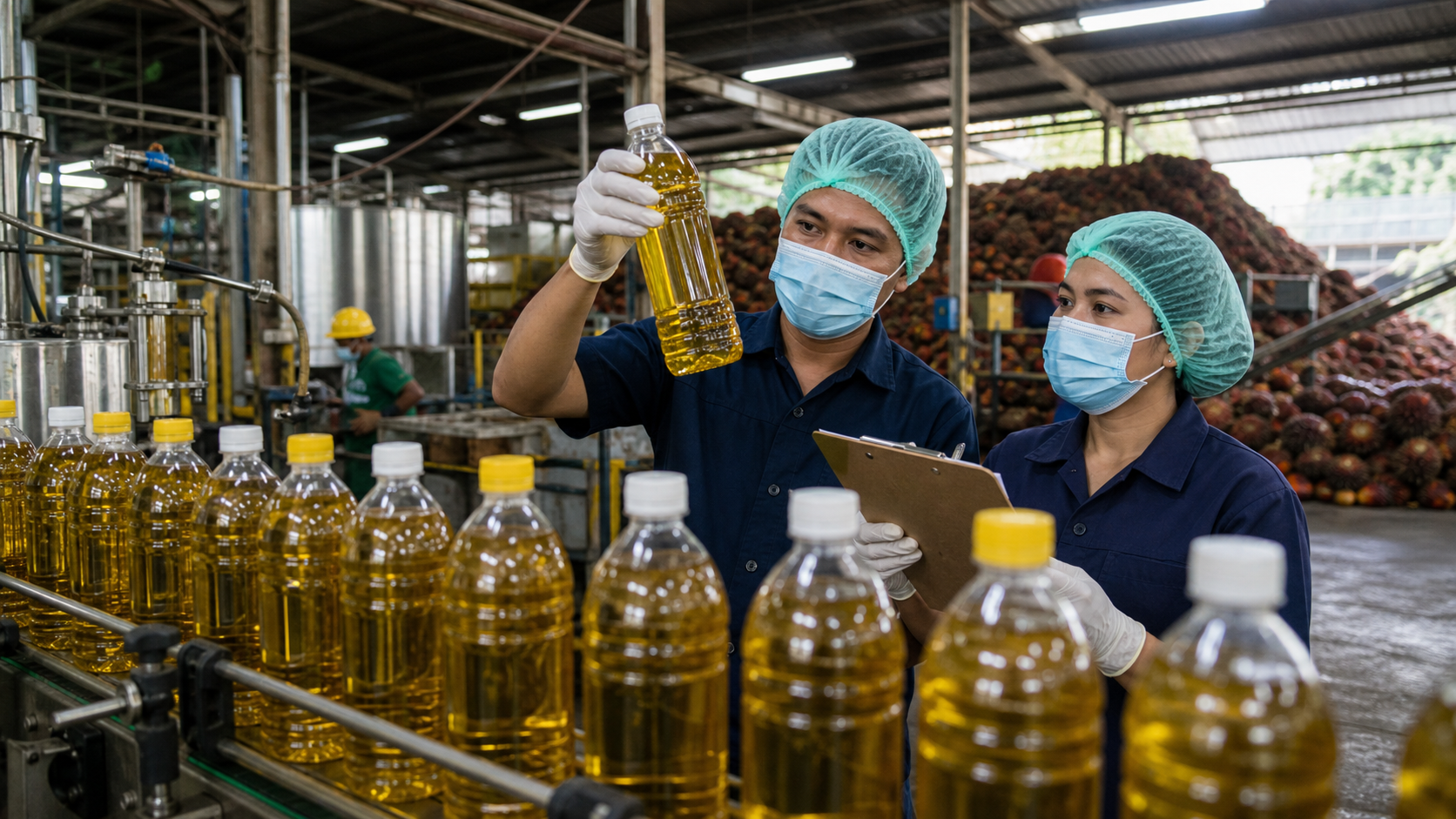
Indonesia’s government is reviewing a Constitutional Court ruling that orders the free nutritious meals, or MBG, program to be fully separated from the national education budget. Minister of State Secretary and Presidential spokesperson Prasetyo Hadi said the administration respects the verdict and will study how to implement it together with the DPR, or House of Representatives. He said the government needs time because budget preparation is carried out jointly with lawmakers. Prasetyo also said he had not yet received an official copy of the ruling while accompanying President Prabowo Subianto on a working visit in Central Java.
The court partially granted a judicial review on the MBG budget structure during a plenary session in Jakarta on July 30. It ruled that the MBG budget must be separated from the mandatory 20 percent education allocation in the State Revenue and Expenditure Budget, or APBN, with full implementation required no later than the 2028 fiscal year. The ruling gives the government a transition period of up to two years and requires an independent budget line for the feeding program outside education funds in the 2028 APBN. ANTARA News Agency
In its decision, the Constitutional Court said free nutritious meals are not a primary component of education and should be separated from the education budget. The court said the program fits more appropriately under health, nutrition, and social protection. Even so, the ruling preserves the use of education funds for MBG in the current 2026 state budget for the sake of what the report describes as single-use legal certainty, or einmalig. It also leaves room for MBG funding to remain within the education operational domain in the 2027 budget, but only if that policy does not reduce or erode the core 20 percent minimum education allocation.
The case was brought by civil society representatives, practitioners, and teacher organizations, including the Taman Belajar Nusantara Foundation and the Save Indonesian Education Coalition, under cases No. 40, 52, and 55/PUU-XXIV/2026. The petitioners challenged Article 22, Paragraph (3) of Law No. 17 of 2025 on the 2026 state budget. They argued that channeling MBG funding through the National Nutrition Agency, or BGN, absorbed about Rp223.5 trillion, roughly US$12.34 billion, which was nearly one-third of the national education budget of Rp769.1 trillion, or about US$42.47 billion.
According to the report, the plaintiffs said this level of allocation narrowed the fiscal room for other education priorities. They cited needs including honorary teacher compensation, school infrastructure improvements, and rising student dropout rates. The dispute therefore centers not only on legal classification of the meals program, but also on how much of Indonesia’s education envelope can be used for a large national feeding initiative without affecting core education spending.
Source note
Read the official announcement for the underlying details.