
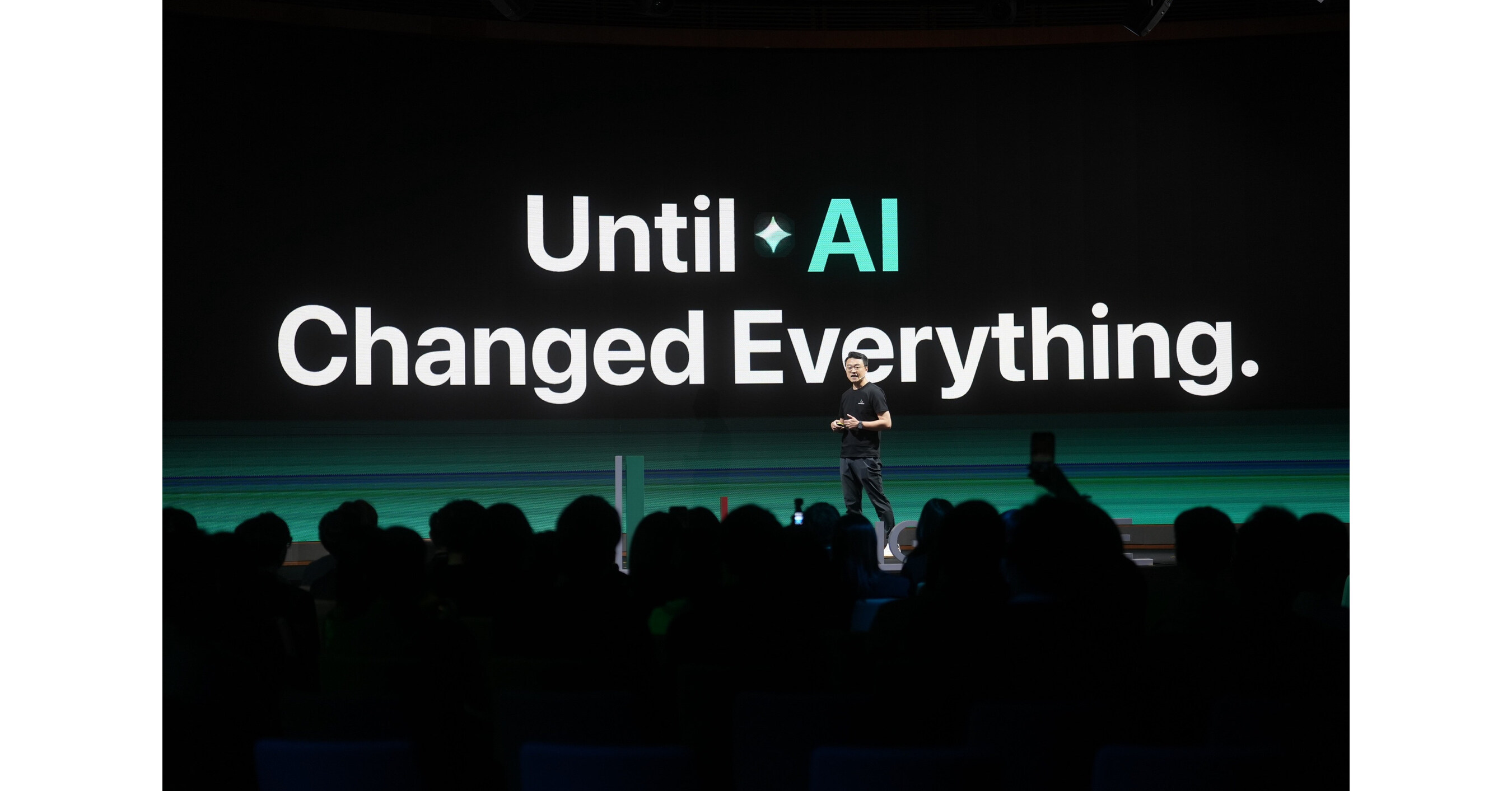
Longbridge Group is using Singapore as the starting point for a new set of AI-native investing products, positioning the launch as a move away from menu-led investing tools toward conversational workflows.
The company says the suite covers five parts of the retail-investing process: market discovery, portfolio analysis, investment planning, trade execution and post-trade review. Its stated premise is that investors should be able to move from a question to an investment decision inside a single AI-assisted flow, while retaining final control over execution. PR Newswire Longbridge AI product page
Why it matters
The launch matters because retail investing in Southeast Asia is no longer only a pricing, access or mobile-app story. The competitive question is shifting toward which platforms can turn information overload into useful decision support without blurring the line between assistance and investor responsibility.
Longbridge says the products are available to Singapore users from 15 July 2026 and will be introduced progressively across the United States, Singapore and other Asian markets. The company also says it plans to anchor a Longbridge AI Lab in Singapore, with the aim of working with local universities and industry partners.
That Singapore angle is commercially relevant. The city is being used not just as a licensed market, but as a product-development and credibility base for AI-finance tools that may later be sold across multiple jurisdictions.
The product claim also sits inside a broader regional pattern. Financial platforms are trying to make AI part of the transaction journey rather than a side panel for research summaries. That raises the standard for interface design, audit trails, suitability controls and user education.
What to watch
For retail investors, the risk is that a smoother AI workflow can make decision-making feel easier than it really is. For brokers, the operational test is whether the product can explain what it is doing, keep recommendations traceable and avoid creating a black box around investment choices.
There is still a distinction between launch scope and market evidence. The announcement establishes product availability, stated capabilities and the Singapore AI Lab plan. Adoption, retention, compliance experience and investor outcomes will need to be assessed from later operating data and user behaviour.
For fintech operators, the useful signal is that AI is moving into the core investing journey rather than sitting beside it as a research widget. If the model works, the next competitive layer will be workflow trust: how clearly the platform explains recommendations, records decisions and keeps user control visible.
For communications and market-entry teams, the story is also a positioning test. Claims such as “AI-native” need enough product specificity to be credible across regulators, investors and users. The stronger narrative is not just novelty, but whether the product makes the investing workflow more legible.
The next commercial test is distribution. If Longbridge can make the experience useful for ordinary Singapore users first, it has a stronger base for regional expansion. If the product remains mostly a launch claim, competitors with deeper banking, brokerage or super-app distribution could still shape the category.
That is why this should be tracked as a live product signal, not just a launch announcement.
Sources and context
Based on Longbridge Group’s company-issued release distributed via PR Newswire and the Longbridge AI product page, with SEA Connect context added around market relevance and follow-up signals.