
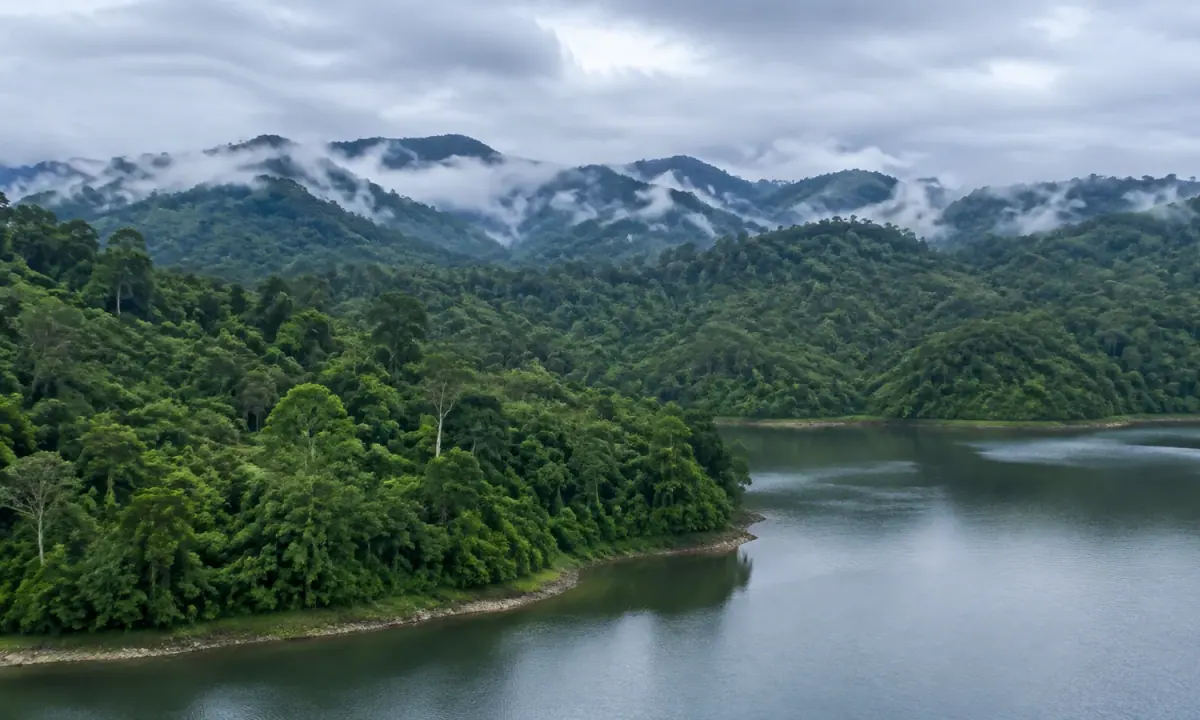
Malaysia began a cloud-seeding operation in Sarawak on 3 September, according to Bernama, with activity scheduled through 5 September subject to suitable cloud and atmospheric conditions. The reported targets include dams and water catchments, alongside efforts to reduce haze impacts. The operation is a conditional response to current conditions, not a guarantee of rainfall or a confirmed solution to the wider haze episode.
The timing brings two pressures into the same operational frame. Water managers are concerned with catchment conditions, while public agencies are also responding to degraded regional air quality. Cloud seeding can only proceed when weather conditions permit, so the published schedule describes an operating window rather than a promise that every planned flight or intervention will produce the intended result.
Channel NewsAsia reported Malaysia calling for stronger regional action on transboundary haze. Malaysia's National Disaster Management Agency has also published official risk communication on the regional situation. Together, those records place the Sarawak operation within a wider ASEAN challenge, while Bernama provides the specific dates and local operational focus.
For businesses and communities, the immediate relevance lies in resilience planning. Haze can affect outdoor work, travel, health precautions and visitor activity, while water pressure can affect local operations and public services. The sources do not quantify a commercial impact from this particular episode, and they do not establish that the cloud-seeding operation will remove those risks.
The cross-border context also needs careful treatment. Haze episodes raise questions about prevention, monitoring and cooperation between governments. The current evidence supports Malaysia's response and its call for regional attention. It does not support assigning responsibility for particular pollution sources beyond what the cited authorities and reporting have established.
Useful follow-up evidence would include official rainfall observations, catchment updates, air-quality readings and a post-operation account of what activity took place. Those measures would allow readers to distinguish a completed intervention from an announced window and to assess conditions after the operation without inferring causation from timing alone.
The Sarawak operation is therefore a concrete, time-bound resilience action inside a much larger problem. It shows agencies using an available tool while weather and haze pressures overlap. Its significance should be judged through verified operational and environmental updates, not through assumptions that a conditional intervention has already delivered a lasting regional outcome.
For regional operators, the discipline is to track the official indicators that can change decisions: air-quality notices, catchment levels, operating restrictions and confirmed agency updates. The three-day intervention window is one input to that picture. It should not replace wider preparedness for a recurring cross-border environmental and infrastructure risk.
What we checked
Bernama; Channel NewsAsia; Malaysia National Disaster Management Agency
Illustrative scene created for SEA Connect