M-DAQ Global’s Vietnam move gives Southeast Asia’s payments story a concrete infrastructure angle: regional payment ambition only becomes useful when providers control enough local rails to move money reliably.
The Singapore-headquartered fintech said it signed definitive agreements for a strategic integration with METech, the majority shareholder of PayME, a licensed payment service provider in Vietnam. M-DAQ said the move gives it regulated payments infrastructure in Vietnam and direct ability to process local collections and payouts in Vietnamese dong. PR Newswire
The company framed the integration as part of a wider ASEAN Payments Hub strategy. It said the Vietnam move builds on previous expansions through EasyPay in Malaysia and Wallex in Indonesia, and that the group now holds five regulated licences across four key ASEAN markets.
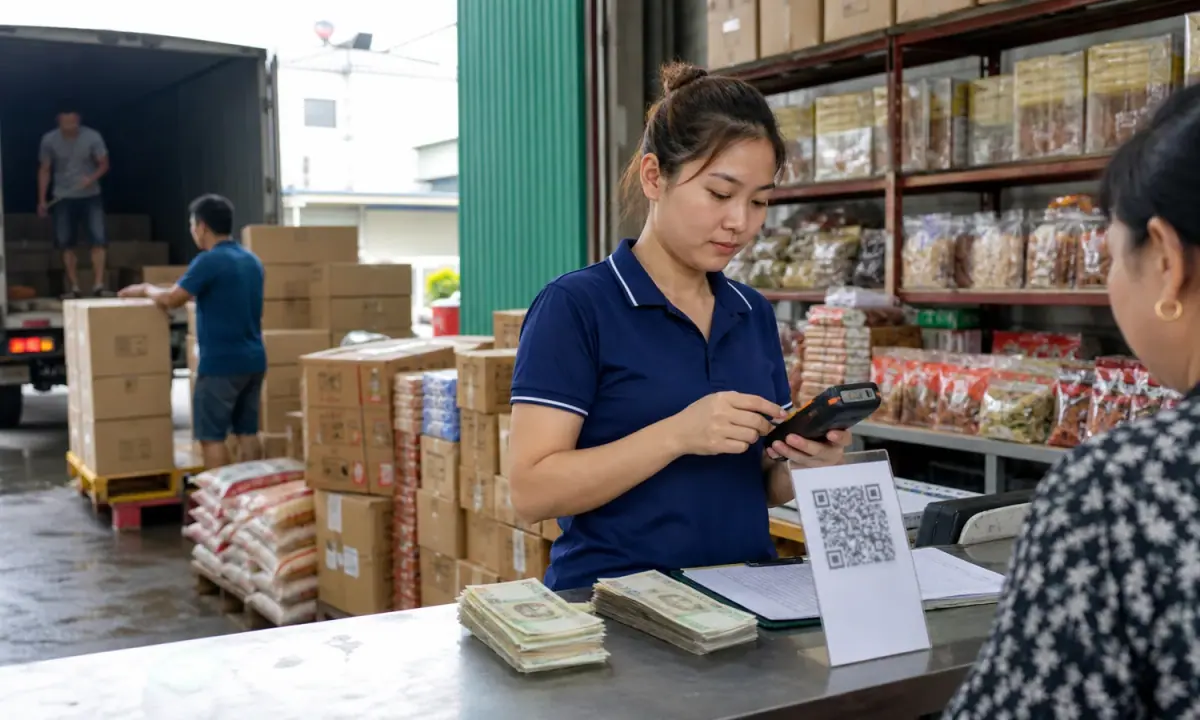
For companies operating across Southeast Asia, the practical question is whether payments partners can reduce corridor friction rather than simply offer a regional label. Local collection and payout capability can affect settlement speed, cost, compliance handling and the ability to serve merchants or platforms that operate across multiple ASEAN markets.
Vietnam is also a commercially important market for this kind of infrastructure. M-DAQ pointed to Vietnam’s digital economy and e-commerce growth as part of the rationale for the deal. The stronger editorial point is that cross-border commerce needs local payment depth: foreign exchange, collections, payouts, onboarding and risk controls all have to work inside each market’s regulatory context.
The next evidence to watch is integration progress, customer migration, corridor-level product announcements and whether M-DAQ can show measurable improvements in cost, reliability or speed for businesses using Vietnam payment flows.
Source note
This article is based on the M-DAQ Global release distributed through PR Newswire and SEA Connect’s additional editorial context on ASEAN payments infrastructure.