
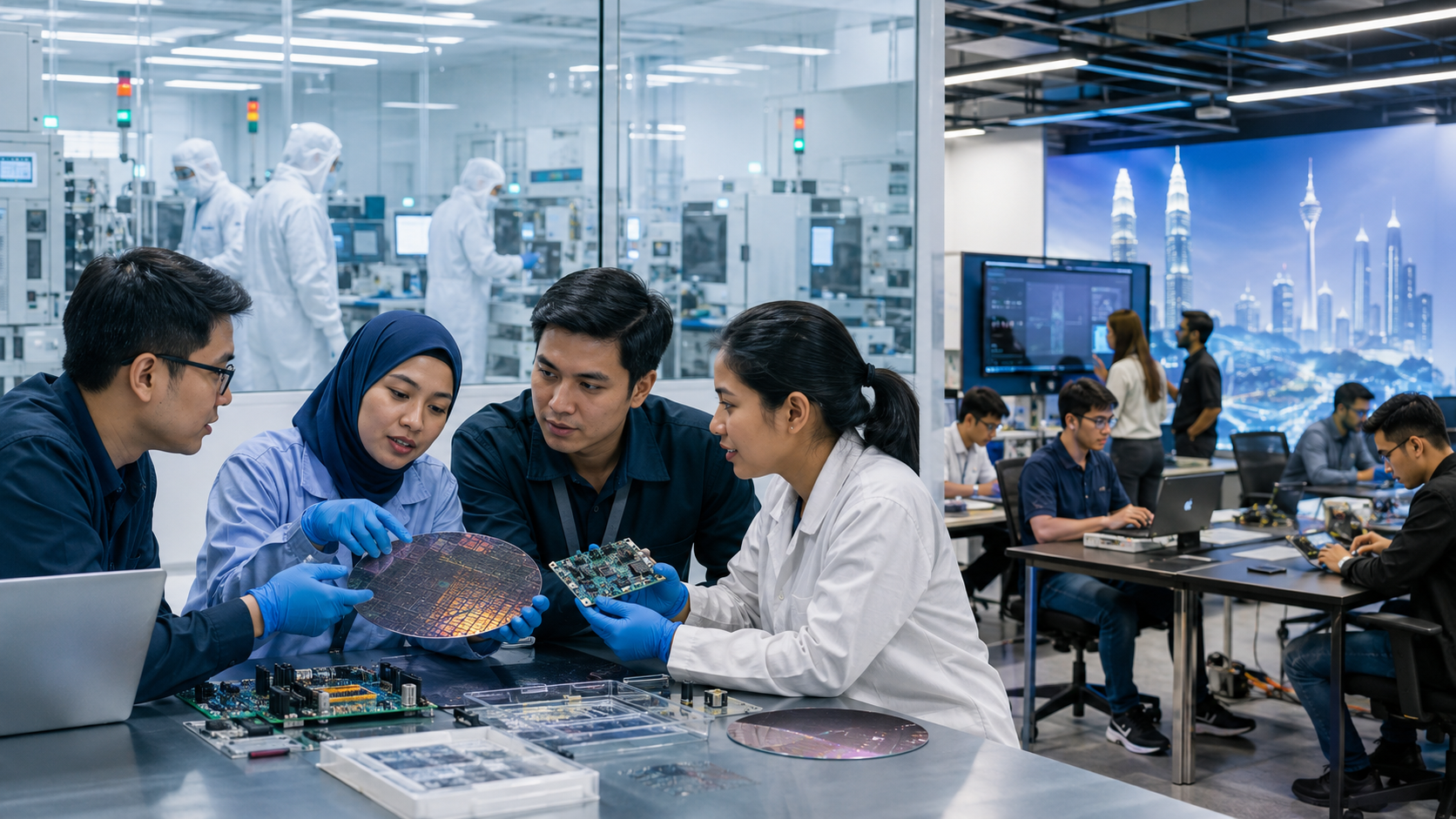
SEMI and Silicon Catalyst have formed a global strategic partnership to connect semiconductor hardware startups with manufacturers, investors, technology providers and industry programmes. The first activities are planned for Taiwan, the Americas and Europe, but the Southeast Asian relevance is concrete: Silicon Catalyst already supports Malaysia's SemiconStart programme, creating a route for Malaysian ventures to benefit as the wider network develops.
The memorandum of understanding was signed at SEMICON Taiwan 2026. Under the partnership, SEMI members are expected to gain access to Silicon Catalyst's startup network, while accelerator companies can connect with SEMI member businesses, investors and technical resources. Planned activities include startup zones, investor engagement and technology showcases around SEMICON exhibitions.
Semiconductor startups face a different scaling problem from many software companies. They need expensive design tools, specialist intellectual property, fabrication access, packaging, testing and long qualification cycles before meaningful revenue. A broad industry network can reduce some of those barriers, but it cannot substitute for technical validation, committed customers or the capital needed to survive repeated development cycles.
Malaysia is already building a national route into this ecosystem. The Malaysian Technology Development Corporation launched SemiconStart Malaysia with Silicon Catalyst UK in July. The programme supports Malaysian and Malaysia-based ventures through mentorship, global funding links, semiconductor tools, prototyping and commercialisation support. Its first cohort includes ten companies working in higher-value parts of the chip supply chain.
That existing connection is why a global partnership signed in Taiwan matters to Southeast Asia. Malaysian startups accepted into the accelerator framework may gain a wider set of introductions and industry touchpoints as SEMI and Silicon Catalyst extend their collaboration. The opportunity is access, not a guaranteed investment or customer contract. Each startup will still need to earn those outcomes.
SEMI says its network covers more than 4,000 companies and 1.5 million professionals across electronics design and manufacturing. Silicon Catalyst says it has engaged with more than 5,000 semiconductor startups and supported more than 150 portfolio companies. Those figures describe network scale. The more useful measure for Southeast Asian founders will be how many regional companies secure technical partners, prototype capacity, investment or commercial pilots through it.
For Malaysia, the policy goal is to move from a strong manufacturing base toward more locally owned intellectual property and higher-value product companies. Startup programmes can help fill that gap if they connect local engineering talent to foundries, packaging specialists, customers and patient capital. Without those links, promising designs can remain stuck between university research, prototypes and commercial production.
Other Southeast Asian markets also want deeper positions in the semiconductor value chain. Singapore has research, equipment and advanced manufacturing capabilities, while Vietnam, Thailand and the Philippines are expanding parts of electronics production and design. A global accelerator network could create cross-border opportunities, but only if regional ventures are visible and participation is not concentrated in established hubs.
The next evidence should be practical: Malaysian participation in new SEMICON startup programmes, named technical collaborations, prototype milestones, fundraising and customer qualification. It will also matter whether the partnership brings more industry resources into Southeast Asia or mainly channels regional startups toward programmes elsewhere. That distinction determines how much capability remains in local ecosystems.
For SEA Connect, the partnership is an Explainer rather than a local deal announcement. Its value lies in connecting a global industry development to an existing Malaysian programme. If the network produces tangible access to tools, manufacturing and customers, it can strengthen Southeast Asia's semiconductor startup pipeline. Until then, the announcement is a useful route opening whose outcomes still need to be measured.
Sources
Sources: PR Newswire release; MTDC SemiconStart Malaysia programme