
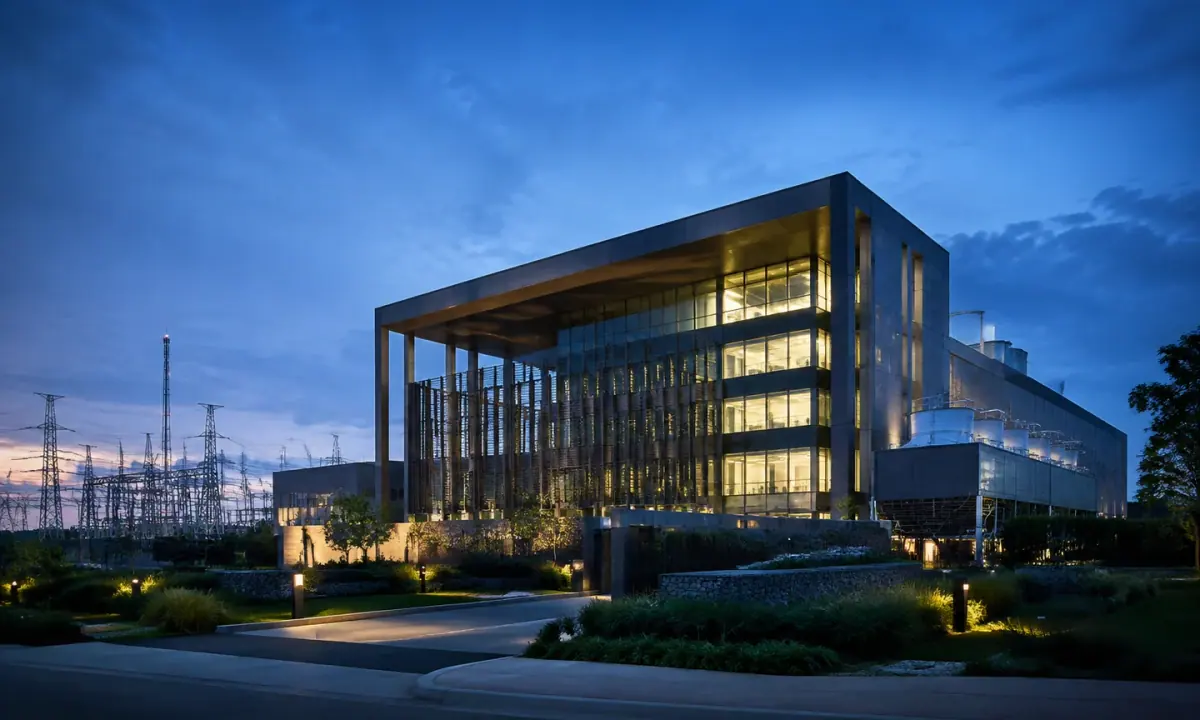
Thailand has temporarily paused data-centre projects under construction and the approval of pending applications while it prepares new regulatory criteria, according to corroborated reporting on a national policy committee meeting on 4 September. The decision changes the immediate planning assumptions for investors, contractors and businesses expecting new computing capacity in the country.
Reports describe about 49 projects under construction and more than 117 awaiting permission or consideration. They distinguish those projects from 35 facilities already operating. The announcement should therefore not be read as a shutdown of Thailand’s existing data-centre services, or as proof that every proposed development will eventually be cancelled. Thai Energy Ministry: earlier Bangkok inspections
The authorities have set a one-month target for preparing criteria. Their review spans economic value, infrastructure requirements, site and building safety, and environmental effects. The stated direction is to coordinate decisions that have been spread across agencies, rather than reject foreign investment in digital infrastructure.
The review follows concerns about how facilities are overseen locally. In a 3 September statement, Thailand’s Energy Ministry described inspections of data centres in Bangkok and the need to consider safety, energy and resource use alongside investment. That earlier inspection announcement is separate from the nationwide committee decision reported the following day.
Capacity depends on site-level decisions
That distinction matters for Southeast Asia’s cloud and AI supply chain. A project can have financial backing and a prospective customer yet still depend on separate decisions about its location, utility connections and operating conditions. An announced investment value does not tell a customer when that capacity will become usable.
The reported framework would bring information about water and electricity demand together and establish minimum standards suited to different locations. Existing operators could also face requirements with time to adapt. The final rules, implementation notices and treatment of individual sites still need to be examined before a company can calculate its own exposure.
For a contractor, the practical question is which work package is affected and who can authorise its resumption. A national announcement does not, by itself, specify the status of a particular electrical installation, building contract or equipment shipment. Those distinctions can change delivery schedules and the cost of keeping people or machinery available.
What enterprise buyers need to know
For a cloud customer, the useful comparison is between contracted capacity already operating and capacity dependent on a future opening. Organisations considering a new location can ask their provider to identify those dependencies explicitly. Treating both categories as equally available risks building an application timetable around a facility that is still awaiting permission.
Regional competitors may see an opportunity to attract demand, but the pause is not evidence that projects or customers have moved to another country. Any such claim would require a disclosed relocation, revised contract or confirmed procurement decision. Electricity availability, connectivity and customer requirements would still shape the choice of an alternative location.
The next meaningful development will be the published criteria and the instructions that translate them into site-level decisions. A target to finish drafting within a month is different from a promise to restart construction within that period. Investors and enterprise buyers will need both the policy text and evidence of how the relevant agencies apply it.
Source note
As reported by multiple credible media sources. The construction and approval pause is supported by separate reporting from Bangkok on the 4 September committee meeting. Project counts and the timetable describe the announced review; final standards and individual restart decisions remain pending. The business implications above are SEA Connect analysis. The Thai Energy Ministry’s 3 September account of Bangkok inspections provides background to the review, not confirmation of the later nationwide pause.