TikTok Shop says it is expanding seller and creator training in Singapore, with targets to support more than 3,000 creators by the end of 2026 and train at least 1,000 local sellers by the end of 2027. The commitments were announced at the company’s first TikTok Shop Singapore Summit on 4 August.
What the seller programmes cover
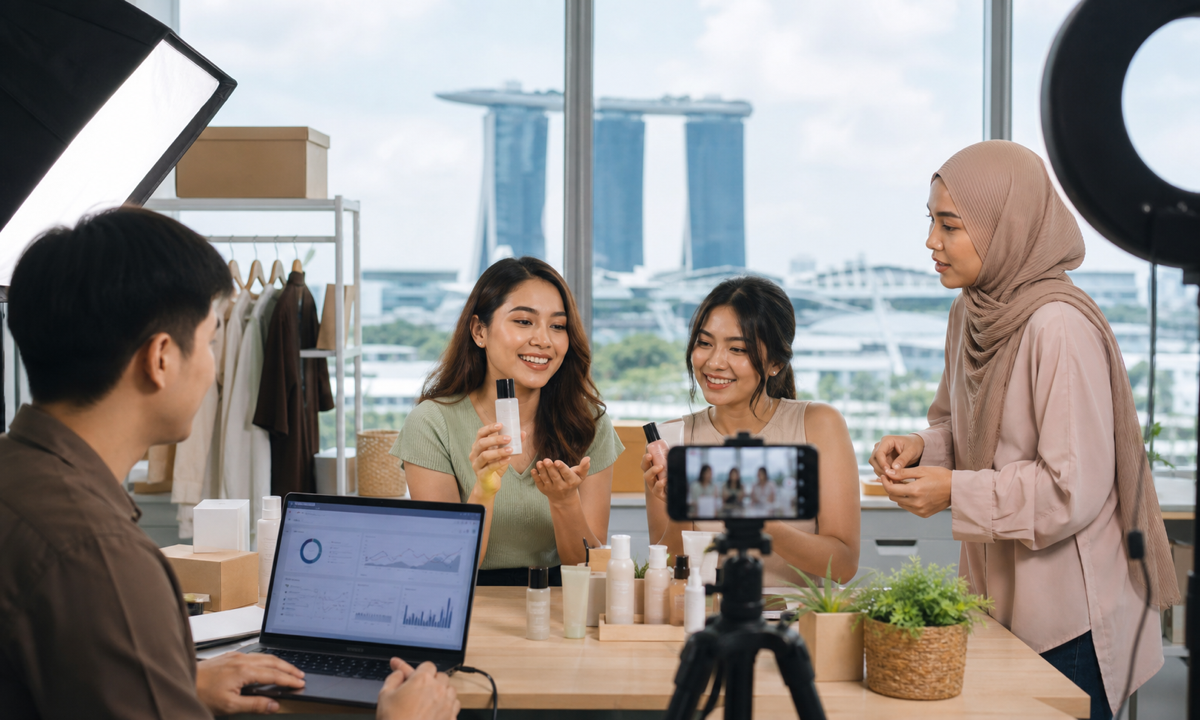
The company said the hybrid summit brought together more than 1,500 sellers, creators and ecosystem partners. Its seller plan includes a GO LIVE Academy for new sellers, a Growth Accelerator Programme for businesses seeking to scale content-led sales, a Merchant Self-LIVE Programme for in-house livestream teams, and a Brand IP Accelerator Programme focused on founder and brand identity.
These programmes describe capability-building rather than direct financing or a guarantee of sales. TikTok Shop says the seller training is intended to help businesses improve livestream presentation, content planning and collaboration with creators. Participation criteria, programme capacity and the results achieved by individual companies will determine whether the initiatives produce lasting operating gains.
Creator support comes with forward-looking targets
On the creator side, TikTok Shop says it will use a LIVE Host Academy, an Affiliate Accelerator and a Short Video Programme to build hosting, affiliate and product-storytelling skills. The company’s target is to support more than 3,000 creators by the end of 2026. That is a forward-looking participation goal, not evidence that the training has already been completed or that every participant will earn income.
How Singapore businesses should assess the push
TikTok Shop’s announcement says Singapore gross merchandise value grew 1.7 times year on year, monthly buyers rose 1.6 times and livestream viewing increased 150 per cent. Those figures come from the platform’s own announcement and were not accompanied by underlying transaction totals, a disclosed measurement method or independently audited market data. They should therefore be read as company-reported indicators rather than a measure of the whole Singapore ecommerce market.
For Singapore sellers, the practical question is whether training can translate into repeatable content production, reliable fulfilment and profitable customer acquisition. Businesses will still need to account for platform fees, returns, staffing, advertising costs and dependence on recommendation systems. Training may lower the learning barrier, but sellers should track margins, repeat purchases and service outcomes alongside viewing or sales activity.
Source note
SEA Connect based this brief on TikTok Shop’s 4 August announcement distributed by Media OutReach Newswire and published by The Manila Times, with the platform’s Singapore seller page used for operating context. All training targets, programme descriptions and performance figures are attributed to TikTok Shop; SEA Connect has not independently audited them.