
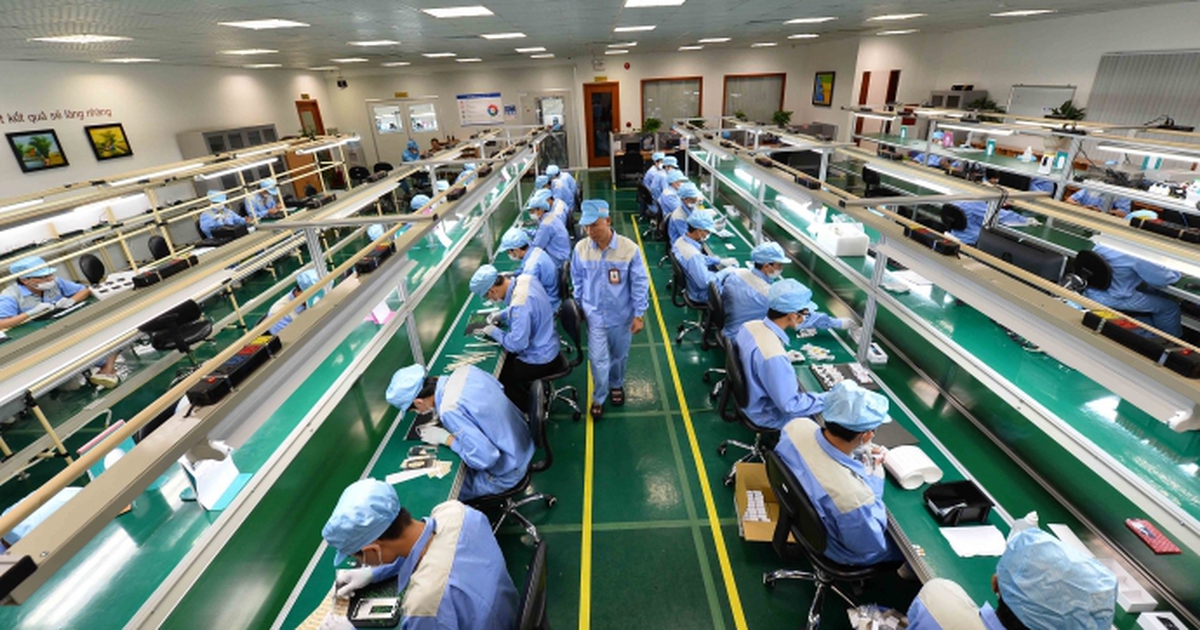
Vietnam Government News reports that Vietnam has set a new set of administrative tasks for its electronics industry, including work to link domestic suppliers with manufacturers and support research into core technologies. The 14 September government notice frames the work around electronics, semiconductors, integrated circuits, electronic materials and automation; it does not announce a new subsidy, tax rate or completed localisation result.
Supplier and technology tasks
The notice records conclusions from an earlier meeting on developing the electronics industry and directs ministries and agencies to prepare reviews and proposals. The Government News portal says the work includes identifying measures that can help domestic businesses research and master core and foundational technologies, and make greater use of locally produced products.
For suppliers, the practical signal is the focus on connections with manufacturing enterprises. Such links can matter where domestic component makers need qualification, technical specifications and procurement access before they can join larger production networks. The notice nevertheless sets work for agencies; it is not evidence that any supplier has won a contract or that a named manufacturer has changed its sourcing.
The technology scope is broad. The official account names semiconductors, chips, electronic materials and automation among the areas for attention. That wording points to capability-building across a supply chain rather than a single factory project. It should not be read as an announcement of a new semiconductor fab, a confirmed investment package or a measured change in imported-input dependence.
What implementation would show
Several requested reviews and proposals carry September and October deadlines, according to the government account. Those dates create an observable near-term sequence: publication of the underlying reviews, any approved programme and, later, evidence that implementation has reached firms. Until those steps occur, the notice is a policy-coordination signal rather than proof of new incentives or production capacity.
The distinction matters for businesses assessing Vietnam's electronics market. Government direction can influence the conditions under which supplier development, technology transfer and procurement support are considered, but it does not itself establish commercial outcomes. Companies will need to watch the formal documents and implementation measures that follow.
For regional manufacturers, the useful question is whether the forthcoming work turns into clearer supplier standards, financing tools, research support or procurement mechanisms. Those details would determine who can participate and on what timetable. The 14 September notice establishes the task list and deadlines; the delivery evidence remains ahead.
The formal notice is therefore useful as a checkpoint for companies already evaluating electronics supply-chain activity in Vietnam. It identifies the policy areas that agencies have been asked to examine and gives the public a way to assess subsequent documents against those tasks. It does not settle the commercial terms, eligibility rules, funding or implementation timetable for individual businesses. Reviewers should retain that boundary throughout the article, particularly where the policy language is translated or summarised for an international business audience.
Source note
SEA Connect based this report on the 14 September Vietnam Government News notice. It distinguishes assigned work from approved incentives, supplier contracts, investment or completed capacity.