
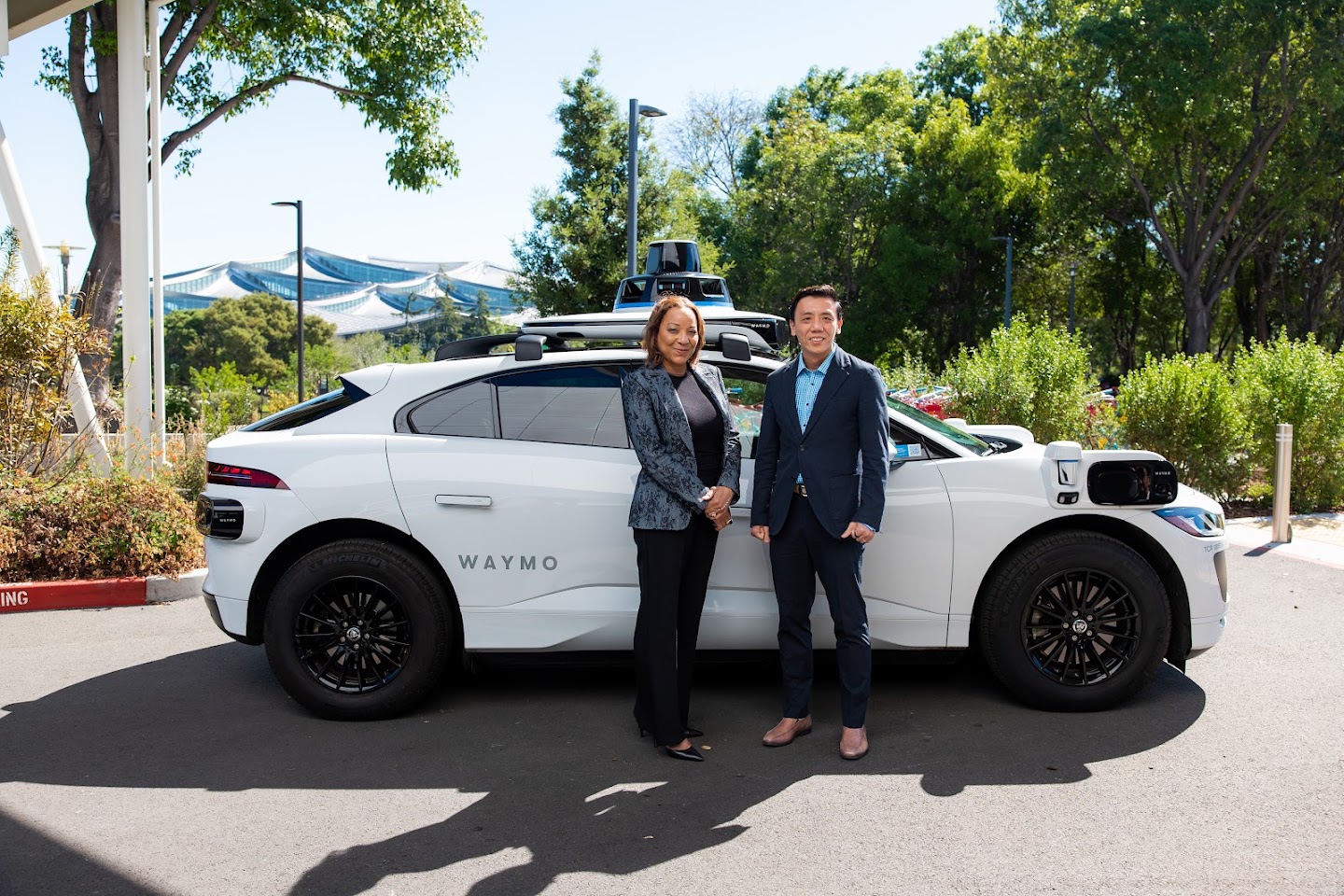
Waymo says it plans to launch autonomous, all-electric commercial ride-hailing in Singapore through the Waymo app in 2028. The company’s announcement puts Singapore on its international market-entry roadmap, but it does not mean a public service is operating in the city today.
A planned market entry
The stated target is a commercial ride-hailing service, rather than a pilot that Waymo says is already taking passengers. Waymo says the future service would use its autonomous driving technology and run through its own app. The company frames 2028 as a planned launch date, with safety, regulatory and operational work still ahead. It also says it is working with Singapore’s Ministry of Transport and Land Transport Authority as it prepares for the market.
Waymo says it expects to bring an initial all-electric fleet of Jaguar I-PACE vehicles to Singapore in the coming months. Its release describes the vehicles as part of an on-road preparation phase and says its drivers will initially operate them manually. The company says it aims to begin autonomous-driving readiness work in 2027 before the stated commercial-service target. These are Waymo’s proposed milestones, not confirmation that an autonomous passenger service has begun.
What the announcement does and does not establish
For Singapore’s mobility ecosystem, the announcement is a concrete indicator that autonomous ride-hailing is moving from a technology discussion toward a prospective market-entry question. It gives operators, regulators and potential partners a public timeline to follow. The eventual service areas, fleet operations, passenger support and safety reporting will determine what the announcement means in practice; those details are not set out in the release.
The immediate commercial implication is limited. The announcement does not make autonomous rides available, name a local fleet partner, establish approval conditions or disclose fares. It also does not specify operating geography, fleet size, customer eligibility or a public-testing timetable. Those facts would need to come from later regulatory notices or Waymo operating updates. They should not be inferred from a planned launch date alone.
Why the preparation period matters
The sequence described by Waymo separates vehicle arrival, manual operations, autonomous-readiness work and a commercial launch. That distinction is useful for readers assessing the development because each stage could generate different evidence. A vehicle presence is not the same as autonomous operation; autonomous operation is not the same as a public commercial service. Regulatory permissions, operational safeguards and customer-facing launch information remain material steps between the announcement and a service people can book.
What to watch next
Useful next signals include formal approvals, the start of the company’s stated readiness work, an announced operating scope and a public service launch. Until those appear, the evidence supports a planned 2028 Waymo app launch in Singapore. It does not establish a completed deployment, current passenger availability, fares, ridership or a particular market-share outcome.
Waymo’s stated sequence also leaves room for public evidence to emerge in stages. A regulator notice, a readiness update or a published service area would each answer a different question. None should be assumed from the company’s announcement before it is separately disclosed.