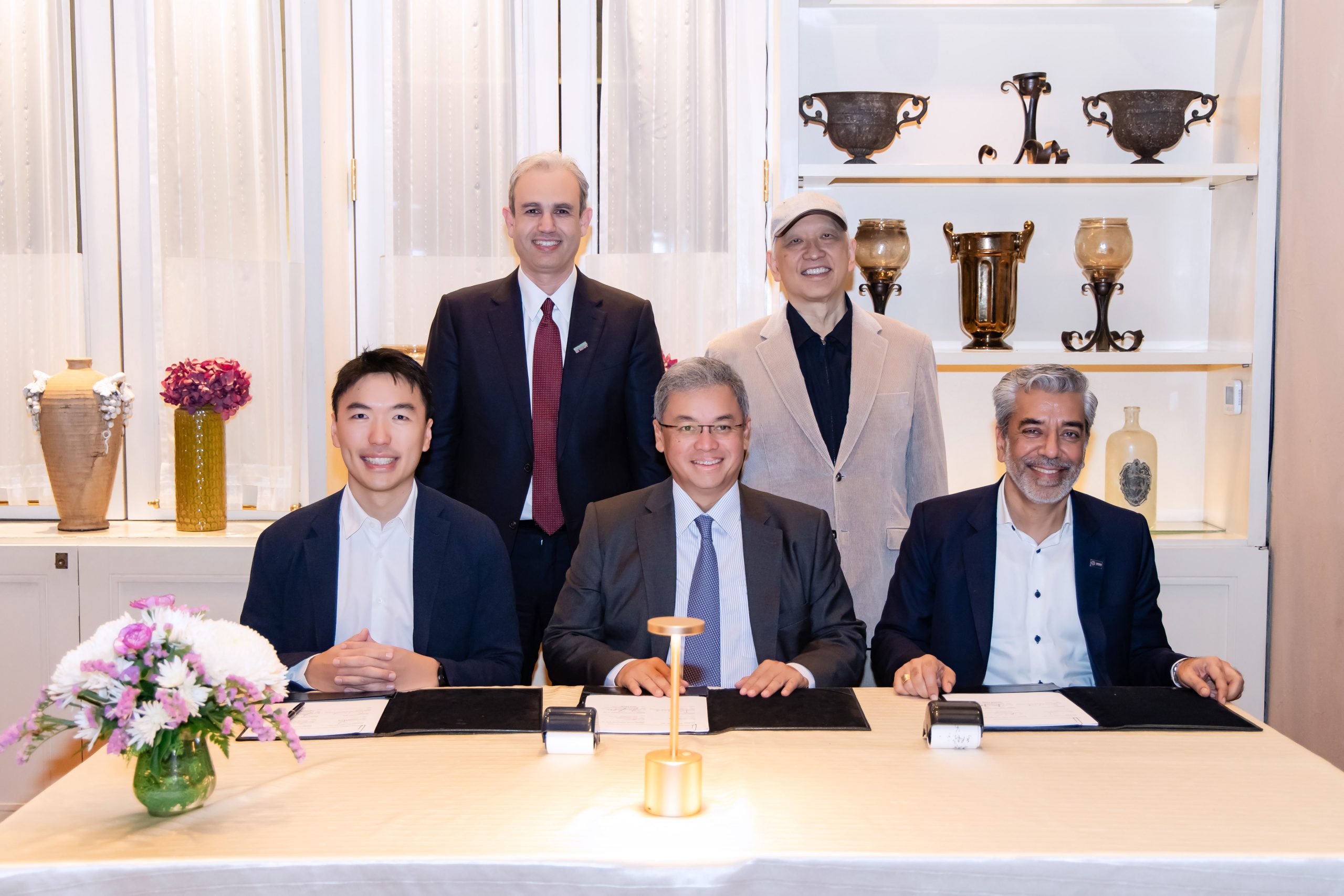
YTL Power, Ganda Power and Siemens Energy signed reservation agreements on 14 September for four additional SGT-9000HL gas-turbine units. YTL says the reservations add to three units previously secured by the companies, taking their total arrangements to seven units intended to support future power-generation projects in Malaysia and the wider region.
What has been reserved
The announcement concerns equipment reservations, rather than an engineering contract for a named operating project. YTL said the seven units are intended to support projects with a combined capacity of more than 5,250 MW. That figure describes the intended potential of projects associated with the arrangements; it does not establish installed, financed or commissioned capacity.
The additional reservations are tied to rising electricity demand from industrial expansion, electrification, data centres and artificial-intelligence workloads, according to YTL. Siemens Energy described the turbine family as suited to efficiency, flexibility and reliability in systems that are also integrating renewable generation. Those statements frame the commercial rationale but do not identify individual plants or a delivery timetable.
Why the signal matters
For Malaysia’s power and digital-infrastructure ecosystem, reserving long-lead equipment can be a practical early step when developers expect future capacity requirements. Turbines, grid connections, fuel arrangements, permits and project finance all have different schedules, so equipment availability alone does not create a power station or a firm supply contract.
The agreements also show how power planning is being linked to anticipated growth in data centres and AI-related computing. That link is commercially relevant because large new loads need dependable energy, but it should not be read as proof that a particular data centre or computing facility has received power. The announcement does not disclose customers, project locations, financing or commissioning dates.
What remains to be proven
A reservation can protect a place in an equipment pipeline while leaving major execution decisions open. Each project will still need a site, approvals, network arrangements, capital and an offtake or demand case. The seven-unit total is therefore best understood as a capacity-development option, not as a measure of electricity already available to Malaysian users.
The next useful evidence would be named projects, financial close, construction notices and commissioning schedules. Those milestones will indicate whether the reservations become operating generation assets and how they fit alongside renewable generation and grid requirements. Until then, the announcement is a concrete equipment-procurement signal with project delivery still unconfirmed.
The reservations are a supply-chain signal rather than a construction announcement. Large-generation equipment can require long planning horizons, but the transition from equipment allocation to usable electricity requires separate commercial, regulatory and engineering decisions. Readers should therefore distinguish the stated equipment pipeline from any claim about completed generation capacity, contracted demand or the timing of future power supply. That distinction matters for businesses assessing power availability: an equipment position may reduce a future supply constraint, while it does not change current tariffs, connection capacity or project readiness.
Source note
SEA Connect based this report on YTL Power announcement on Ganda and Siemens turbine reservations. Reservations are not installed capacity, financial close, construction or commissioning.